A 5-Year Cost Comparison: Veneer vs Solid Wood Furniture for Your Singapore Home
Choosing furniture for a Singaporean home is a decision that blends aesthetics, practicality, and long-term value. With the popularity of japandi style—a harmonious fusion of Japanese minimalism and Scandinavian functionality—the materials we select are more important than ever. This style celebrates clean lines, natural textures, and a sense of calm, making the choice between veneer and solid wood a central consideration for many homeowners in Tampines, Bedok, and Punggol alike.
What is the real difference between veneer and solid wood furniture?
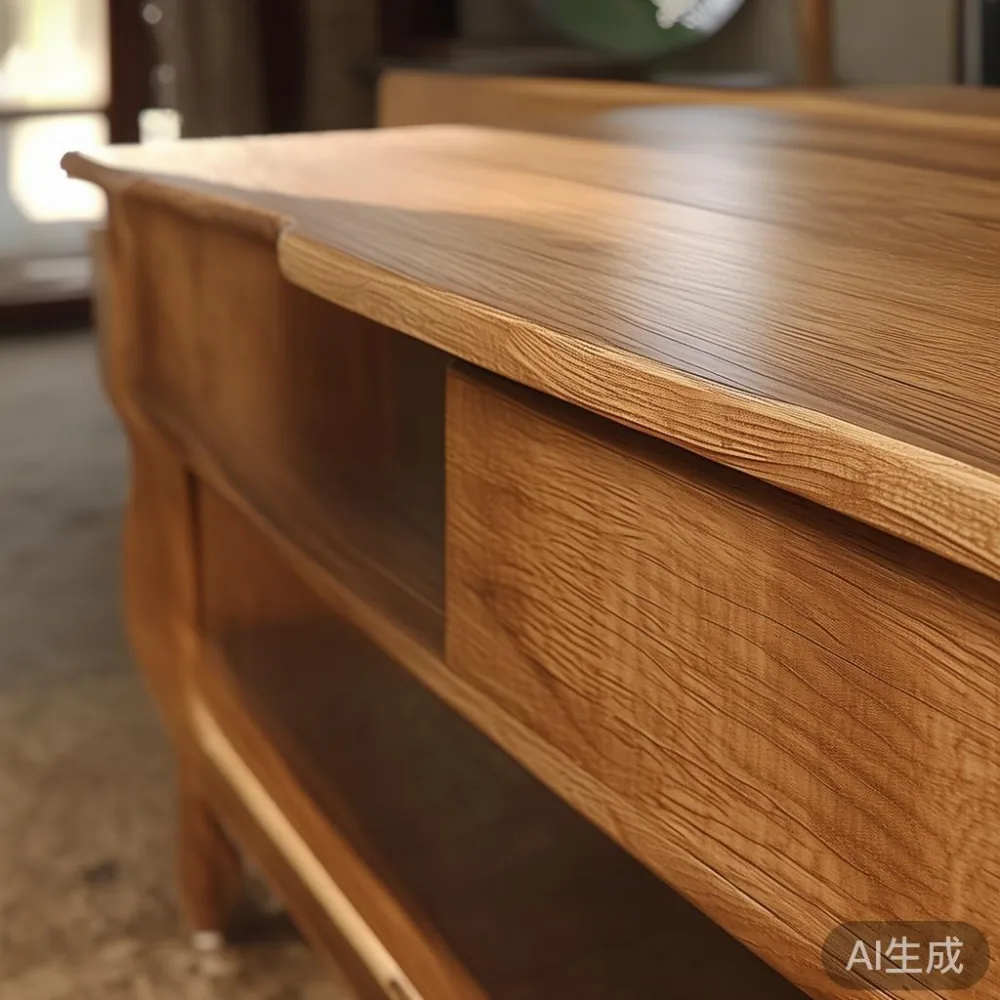
At its core, the difference lies in construction. Solid wood furniture is crafted from a single, solid piece of timber, such as oak, walnut, or teak. The structure is built from these solid wood components, showcasing the grain, colour, and character of the natural material. This is the traditional approach, favoured for its durability and timeless appeal, a cornerstone of authentic japandi style.
Veneer furniture, on the other hand, uses a thin layer of real wood (the 'veneer') applied over a substrate, which is typically a less expensive material like Medium-Density Fibreboard (MDF), particleboard, or plywood. The veneer provides the look and feel of solid wood at a lower initial cost. While a well-made veneer piece can be beautiful, the long-term performance and maintenance can differ significantly from its solid wood counterpart, especially in Singapore's humid climate.

How does initial purchase price compare for common furniture items?
The most immediate difference is the upfront cost. Solid wood commands a higher price due to the quality of the material and the craftsmanship involved. Veneer furniture is generally more accessible, making it an attractive option for those furnishing a new HDB flat or condo on a tighter budget. Let's look at the price ranges for a typical living room and bedroom setup, priced in SGD and reflecting local market conditions.
A solid wood sofa, for instance, from a reputable brand, can range from SGD 2,800 to SGD 5,000. In contrast, a sofa with a wood veneer finish might cost between SGD 1,200 and SGD 2,500. The difference is even more pronounced for larger pieces. A solid wood dining table for six could cost SGD 2,200 to SGD 4,500, whereas a veneer alternative might be priced from SGD 900 to SGD 1,800. For a bedroom, a solid wood bed frame might be SGD 1,800 to SGD 3,200, while a veneer version could be SGD 800 to SGD 1,500.
These initial savings with veneer can be tempting, especially when you consider the other costs associated with setting up a new home, such as the 9% GST and renovation expenses. However, this is only the first chapter of the story.
What are the long-term maintenance and repair costs over 5 years?
The true cost of furniture reveals itself over time. This is where solid wood often proves its value. A solid wood surface is more resistant to everyday wear and tear. Minor scratches and dings can often be sanded out and refinished, restoring the piece to its original condition. Many high-quality solid wood brands, like those with a lifetime refinishing promise, offer this peace of mind.
Veneer furniture is more delicate. The thin wood layer can chip, crack, or bubble, particularly along the edges. Repairing veneer is a specialised and often costly task. If the substrate underneath (like MDF) gets damaged by moisture—a common issue in Singapore's bathrooms or kitchens—the piece may become irreparable. A cracked veneer on a nightstand or a peeling finish on a table can render the entire item unsightly, forcing a replacement long before a solid wood piece would need such attention.
Over a 5-year period, the costs of upkeep can add up. A solid wood dining table might only need occasional polishing with a quality wood oil, costing around SGD 50 every two years. A veneer table, however, might require more careful cleaning with specific products to avoid damage, and if the finish degrades, a professional resurfacing job could cost several hundred dollars. For a wardrobe with solid wood doors, a simple touch-up of the stain might suffice after a few years. A veneer wardrobe with a damaged corner might need complete replacement of the door panel, a significant expense.
How does durability and lifespan affect the total cost of ownership?
This leads us to the most significant factor: lifespan. A well-crafted solid wood piece of furniture is an investment designed to last for decades. It can be passed down through generations. When you factor in a 10-year structural warranty, as offered by some makers, the confidence in its longevity is clear. The cost of ownership over 20 or 30 years becomes incredibly low because you are not replacing the furniture.
Veneer furniture has a much shorter expected lifespan, often around 7 to 15 years with good care. In the humid environment of Singapore, where air conditioning cycles on and off, the constant expansion and contraction of the wood veneer can accelerate its deterioration. A veneer wardrobe or sideboard in a condo hallway or bedroom may show signs of warping or delaminating much sooner than expected. This means that over a 20-year period, a homeowner might need to purchase two or three veneer pieces to match the lifespan of one solid wood item.
Let's do a rough calculation. If you buy a solid wood dining table for SGD 3,500 that lasts 25 years, the annualised cost is SGD 140. If you buy a veneer table for SGD 1,200 that lasts 10 years and needs to be replaced, the total cost over 25 years is SGD 3,000 (two replacements), with an annualised cost of SGD 120. While the veneer seems cheaper initially, the math is much closer than one might think, and this doesn't even account for the hassle and environmental cost of disposal and replacement.
Is solid wood furniture a better investment for Singapore's living spaces?
For Singaporeans living in HDB flats and condos, space is a premium consideration. Furniture needs to be functional, durable, and aesthetically pleasing without overwhelming the room. The clean, uncluttered lines of japandi style are perfectly suited for smaller spaces like those in Tampines or Punggol.
Solid wood furniture, with its inherent strength and stability, offers a sense of permanence. A solid wood bed frame provides sturdy support without the creaks and wobbles that can plague cheaper, less stable veneer or MDF constructions. A solid wood sofa feels substantial and well-made, contributing to a calm, orderly atmosphere. This is the philosophy behind japandi style: creating a home that is both beautiful and built to last.
My colleague, Sarah, recently moved into a new Bedok condo. She initially opted for a more affordable veneer dining table to save money. Within three years, the finish had worn significantly in the area where her children usually sat, and a small section near a leg had started to bubble. She found herself searching online for 'for sale Japandi furniture' to replace it, realising that the initial savings had been a false economy. She eventually invested in a solid wood table, noting that while the upfront cost was higher, the peace of mind and the quality of the piece were worth every cent.
The investment in solid wood is also about sustainability. Choosing a piece that lasts for decades reduces the cycle of consumption and waste. It aligns with the mindful, less-is-more ethos of japandi style. When you buy a solid wood wardrobe or nightstand, you are not just buying a functional object; you are acquiring a piece of craftsmanship that will serve your home reliably for years to come.
Where can I find high-quality solid wood furniture in Singapore?
When you decide to invest in solid wood, it's important to choose a maker with a reputation for quality and integrity. Look for companies that stand behind their products with clear warranties. A 10-year structural warranty, for example, is a strong indicator of confidence in the furniture's construction. A lifetime refinishing guarantee is an even better sign, as it shows the brand believes in the longevity and repairability of their solid wood pieces.
Consider the logistics as well. Delivery and assembly are key services. Free shipping over a certain purchase value, such as SGD 350, is a significant benefit, especially for larger items like a dining table or wardrobe. A 14-day return policy also provides a safety net, ensuring you are completely satisfied with your purchase. These practical details are part of the value proposition.
For those exploring the japandi aesthetic, the options are plentiful. You might find 'under 2000 Minimalist furniture' that fits your budget, but it's important to understand the material composition. The search for 'top 10 Nordic furniture' will often lead you to brands that prioritise solid wood, aligning with the Scandinavian influence in japandi style. If you need a versatile piece, a 'light luxury sofa bed foldable' in solid wood offers both form and function, perfect for Singapore's compact living spaces. The term 'midhillco' represents one such brand that has focused on japandi style for years, exporting to over 15 countries and building a name for reliable, well-crafted solid wood furniture.
In the end, the choice between veneer and solid wood is a choice between an initial saving and a long-term investment. For the Singaporean homeowner who values quality, durability, and the enduring beauty of japandi style, solid wood furniture presents a compelling case. It’s about creating a home that is not just furnished, but thoughtfully curated to be a comfortable and lasting sanctuary for years to come.