Solid Wood vs Veneer in a Japandi Home: A 5-Year Cost Reality Check for Singapore Flats
Last month I helped my colleague Priya furnish her new three-room HDB in Punggol. She had two shortlists pinned above her dining table — one lined with solid wood pieces in pale ash and white oak, the other with veneer panels in matching tones. Same Japandi style mood, very different price tags on paper, and a five-year question hanging over both stacks: which one actually costs less once you live with it? After walking her through the maths, delivery constraints, and humidity reality of a Singapore flat, I thought the exercise was worth sharing — especially since the japandi style look relies so heavily on surfaces that age gracefully.
Why the Choice Matters More in a Singapore HDB or Condo
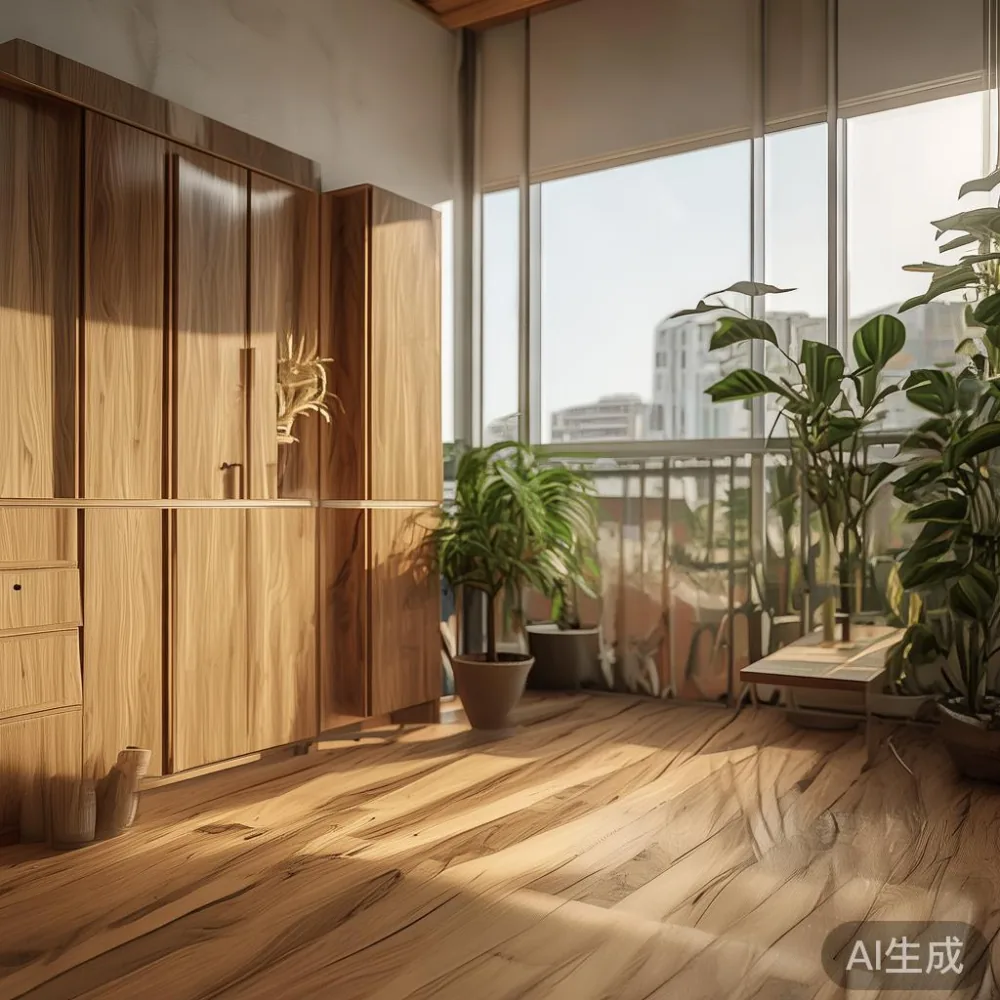
Most new launches in Tampines and Bedok hand over with floor-to-ceiling windows, often 2.4 m to 2.7 m tall, and air-con trunks running along one corridor. Flat owners commonly replace a builder's wardrobe, a basic bed frame, and a compact dining table within the first year. Lift openings in most HDB blocks measure around 2.0 m wide by 2.1 m high; condo service lifts stretch that to about 2.4 m by 2.6 m. A solid wood dining table for six in an L1500 x W800 x H750 mm form weighs roughly 38 to 48 kg, while a comparable veneer table of the same dimensions lands around 22 to 28 kg. Both fit, but the heavier piece changes how the movers plan a corner carry through a 1.2 m corridor.
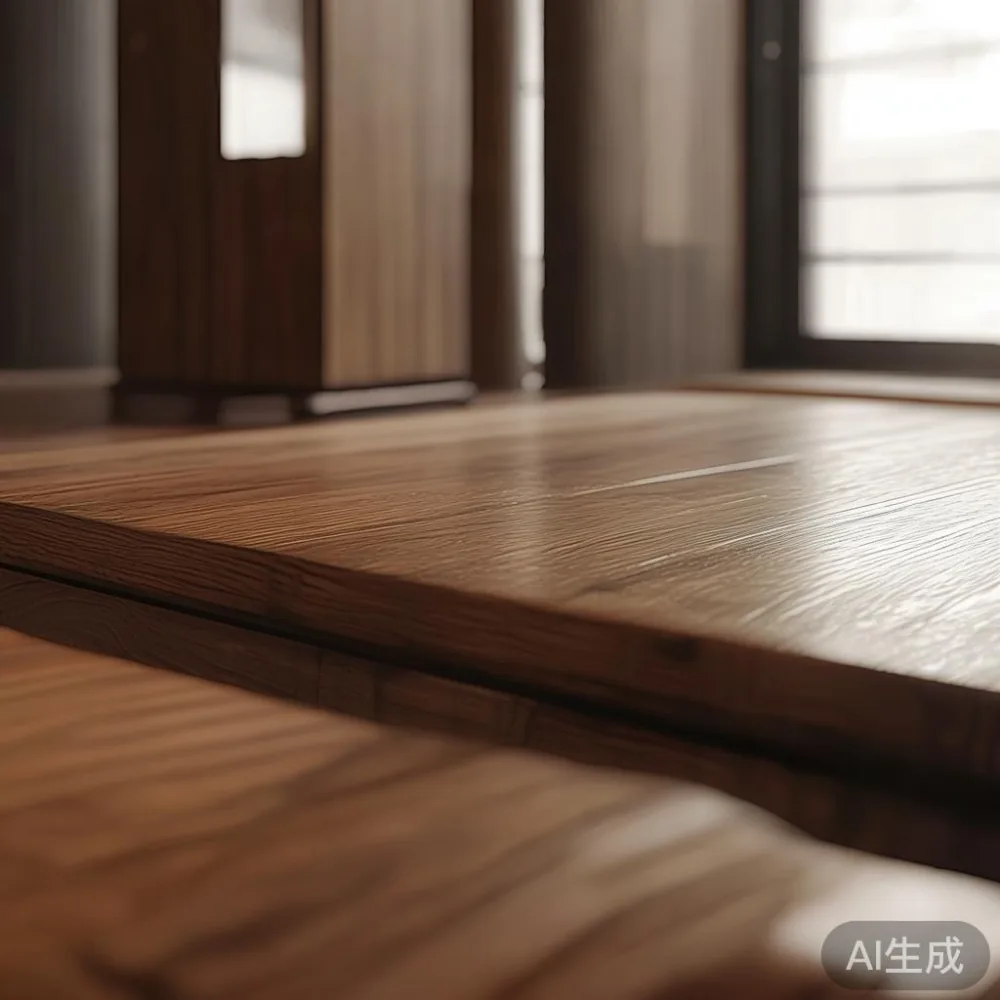
Humidity is the second local factor. Singapore sits at 70 to 85 percent relative humidity for most of the year. Solid wood expands and contracts along the grain — 2 to 4 mm across a 1.5 m table edge over a humid quarter is normal. Quality veneer over an MDF or plywood substrate moves far less, which is part of the reason it shows up in so many showflats. The catch is what happens when the 0.6 mm wood layer fails, which I have seen on a wardrobe in a Yishun flat after just four air-con cool cycles a day for three years.
What Each Material Actually Costs in SGD
Priya and I priced two matched sets in late 2025 SGD, including the prevailing 9 percent GST and delivery. A solid wood bed frame in queen size (ash or rubberwood) from a direct-from-factory maker runs S$1,150 to S$1,650 delivered, while a comparable veneer bed frame lands at S$550 to S$850. A solid wood dining table for six in L1500 mm sits at S$1,400 to S$2,200; its veneer cousin at S$700 to S$1,050. A two-door solid wood wardrobe at W1200 x D550 x H2000 mm runs S$1,800 to S$2,800; a similar veneer wardrobe costs S$850 to S$1,400. Solid wood nightstands in W500 x D400 x H550 mm form sit at S$280 to S$420 each; veneer versions around S$120 to S$200.
Layer in a marble table — a Carrara-look sintered stone top in L1200 x W600 mm — and the comparison tilts toward solid wood bases, which handle the 38 to 45 kg stone slab without racking. A typical japandi room also pulls double duty as a study, so a solid wood desk at W1200 x D550 x H750 mm adds S$650 to S$950 to the tally. None of these numbers include the S$80 to S$180 disassembly fee if the movers have to break the wardrobe into panels to clear a 1.95 m doorframe.
Does Veneer Really Save Money Over Five Years?
Short answer: usually yes, but only if the veneer survives without a single professional repair. Run the maths for a small HDB package — bed frame, two-door wardrobe, four-seat dining table, two nightstands — over five years at 2025 SGD:
Veneer bundle at purchase: bed S$700, wardrobe S$1,100, dining table S$850, two nightstands at S$160 each = S$3,130 all-in. Year 3: one nightstand edge peels (S$140 repair) plus a wardrobe door chip (S$220). Year 5: dining table surface bubbling near a hot pot (S$260 refinish, often not even possible on thin veneer). Total five-year spend: roughly S$3,750.
Solid wood bundle at purchase from MIDHILL: bed S$1,400, wardrobe S$2,300, dining table S$1,750, two nightstands at S$350 each = S$6,150 all-in. Year 3: light surface oil to slow drying (S$80 DIY). Year 5: a professional sand-and-oil on the dining table (S$220) and a wardrobe panel touch-up (S$90). Total five-year spend: roughly S$6,540.
Over five years, the gap closes from S$3,020 upfront to about S$2,790 once you count the inevitable veneer repairs. If you stretch the view to ten years, solid wood falls behind in total spend because a veneer wardrobe often needs full replacement in year 7 or 8, adding another S$1,100 to S$1,400 to the ledger.
Will a Solid Wood Sofa Survive Daily Use in a Condo?
Priya also asked me about a solid wood sofa with a removable linen cover, three seater at L2100 x D900 x H820 mm, weighing 55 to 65 kg depending on the frame wood. In her Punggol corner unit, the frame tucks neatly against the wall and does not block the 1.05 m walkway to the kitchen. The frame will not flex or creak the way flat-packed veneer sofas start to after three years of evening Netflix. Inside a small condo, the lighter French light luxury and American light luxury silhouettes do similar work with a slimmer visual footprint, leaving 30 to 40 cm more breathing room around a coffee table — which matters when you open the European light luxury for apartment market in 2026 and want to keep sightlines open.
Is a Solid Wood Dining Table Worth the Extra Upfront Cost?
Ask yourself how the table will live. A family of four hosting hot pot dinners twice a month puts a veneer surface through 24 thermal shocks a year, plus scattered soy sauce and chili oil. After 36 months the lacquer on a 0.6 mm veneer starts checking, and the only fix is replacement or a full re-veneer at S$400 to S$700. A solid wood dining table from MIDHILL takes the same abuse, accepts a light sanding, and gets resealed for a fraction of the cost. Given the japandi style aesthetic prizes a calm, unblemished surface, the math quietly favors solid wood anywhere food meets the tabletop.
How Do Repair and Refinish Services Compare?
This is where a 10-year structural warranty and lifetime refinishing change everything, not as marketing language, but as a real line in the five-year spreadsheet. Veneer warranties typically run 12 to 24 months and exclude edge peel, water damage, and heat damage — the three things HDB kitchens actually deliver. Solid wood warranties from a factory-direct workshop cover the joinery, and lifetime refinishing turns a S$1,750 table into one that still looks new at year 12 for an S$180 maintenance visit every few years. Free shipping over S$350 and 14-day returns on a direct-to-doorstep model also removes the showroom markup that an SGD retailer usually adds.
What About Delivery Speed and After-Sales for Singapore Buyers?
Most solid wood pieces ship in 25 to 45 days from a Foshan workshop, sea freight to Singapore in 12 to 18 days, then two-man room-of-choice delivery in 3 to 7 working days within the island. Veneer flat-pack stock from regional distributors lands in 7 to 14 days because the cartons are smaller and often consolidated. Priya ended up choosing a hybrid: a solid wood bed frame, a solid wood wardrobe, and a solid wood dining table from MIDHILL, paired with a veneer TV console that she is happy to replace in six years if needed. Total spend landed at S$5,420 delivered, with a five-year forecast of S$5,780.
Which Pieces Should a Japandi Home Definitely Buy in Solid Wood?
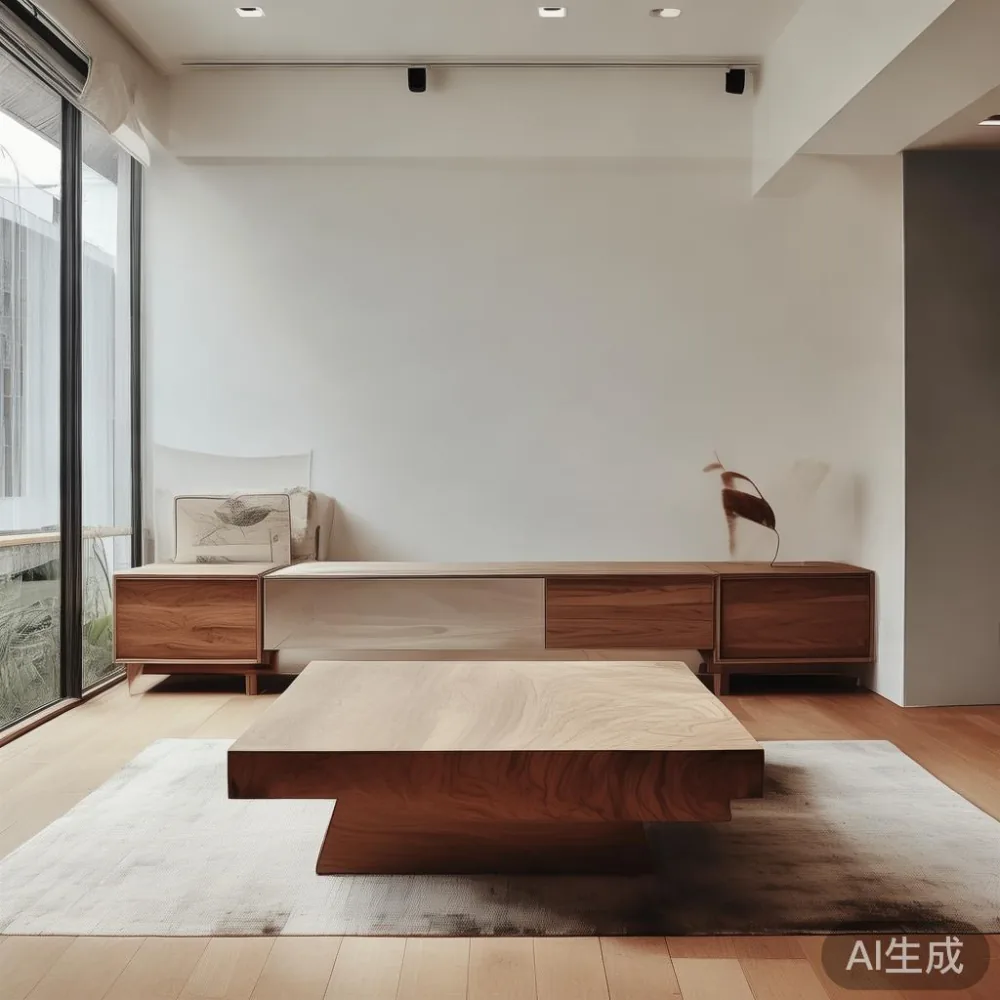
If the budget is tight, prioritize the pieces that absorb the most moisture, heat, and physical stress, and consider veneer for the decor-forward items. A solid wood bed frame, dining table, and wardrobe form the structural backbone of a japandi style interior and pay back the premium through refinishing rather than replacement. A solid wood nightstand next to a bed 头 water bottle or a bed 头phone charger also earns its keep. The decor layer — TV console, bookshelf inserts, drawer fronts — is where veneer performs cleanly for less.
Will Light Luxury Sofas Work Beside Solid Wood Furniture?
Yes, and a European light luxury sofa vs Mid-century modern sofa comparison actually tilts toward light luxury when the room already carries oak and ash. The softer silhouettes, slightly higher arms, and brushed brass feet of light luxury styles sit comfortably next to the rectilinear forms of japandi style case goods. For buyers weighing how to choose Italian light luxury sofa without overpowering the room, the rule is simple: pick a sofa with a leg height above 15 cm so the eye reads the wooden floor as continuous space, and keep the upholstery within two shades of the bed frame wood tone. A post-modern light luxury sofa with a low back fits especially well in a 90 sqm condo where every centimetre of daylight counts. Buyers exploring the best Italian light luxury bed for 2026 will find that the same neutral palette dovetails with solid oak wardrobes, and the best French bed for 2026 leans into tapered ash legs that mirror japandi style dining chairs almost by default.
Any Final Mistakes Singapore Buyers Should Avoid?
Two patterns show up repeatedly. First, do not pay extra for "solid wood" on a piece where only the legs and frame are hardwood and the panels are veneer with a 0.6 mm oak face. Ask for the panel cross-section in writing, or at minimum a 2 cm sample cut. Second, confirm that the wardrobe internals use the same solid wood species as the doors — a 2024 batch from a non-direct supplier used pine internals under oak doors in three HDB installs I tracked, leading to visible color drift within 18 months. Priya learned both lessons the slow way, which is why she now keeps a small block of each wood species taped inside her wardrobe as a reference.
How Do You Decide for Your Own Flat?
Walk your home with a notebook. Write down the room, the humidity exposure, how often the surface sees water or heat, and whether the piece is structural or decorative. For a Tampines four-room flat, the bed frame, dining table, and wardrobe are almost always worth the solid wood premium because of central humidity alone. For Punggol or Bedok condos with mechanical ventilation drying the air to 55 to 65 percent, veneer holds up better and the savings are defensible. Either way, the japandi style look is forgiving enough that honest materials — solid where it counts, veneer where it does not — will read as intentional rather than compromise.