The Art of Proportion: Choosing the Perfect Japandi-Style Furniture for Your Singapore HDB Living Room
Living in a Singapore Housing and Development Board (HDB) flat presents a unique set of challenges and opportunities for interior design. With defined spatial constraints and a need for multi-functional living, every piece of furniture must earn its place. The modern Singaporean home, whether in a busy estate like Tampines or a newer development in Punggol, demands a thoughtful approach to furnishing. This is where the philosophy of japandi style becomes exceptionally relevant, blending the minimalist, functional ethos of Japan with the warm, understated elegance of Scandinavian design. For those seeking furniture that is both beautiful and practical, a japandi style approach offers a clear path to creating a harmonious and spacious-feeling home.
Understanding the Singapore HDB Living Room Canvas
The typical Singapore HDB living room is not a vast, open-plan space. It is a defined area, often part of a 4-room or 5-room flat layout, with standard dimensions. A common size for a living room in an HDB flat is approximately 4.8 metres by 3.6 metres. This translates to an area of about 17.28 square metres. While this might sound substantial, one must subtract the space for the entrance corridor, a fixed kitchen entrance, and often a structural pillar. This leaves a practical living area of roughly 13 to 15 square metres to furnish. The challenge, therefore, is not filling the space, but curating it with pieces that fit both physically and aesthetically.
Another critical local factor is the path of delivery. Furniture must work through the building's lift and corridor widths. Standard HDB lift dimensions are approximately 110cm wide by 210cm deep. Corridors in older estates like Bedok might be narrower, around 120cm wide, while newer ones could be up to 150cm. A large sectional sofa, for instance, might need to be disassembled for delivery if its box size exceeds these dimensions. This practical reality often pushes homeowners towards smaller, modular, or well-designed individual seating pieces that can be manoeuvred through tight spaces. The goal is to select furniture that arrives without incident and fits perfectly from day one.
How Do You Measure Your Space Before Buying Furniture?
The most common mistake is buying furniture based on visual appeal alone, without measuring the physical space it will occupy. Before even browsing online stores or visiting a showroom like MIDHILL, you must create a detailed floor plan. This process is straightforward and prevents costly errors. You will need a measuring tape, a notepad, and a piece of graph paper or a digital drawing app.
Begin by measuring the length and width of your living room. Mark the locations of fixed elements like the entrance door, corridor, windows, air-conditioning units, and any built-in features. Next, measure the exact dimensions of the furniture you are considering. For a sofa, this means its width, depth, and height. A typical three-seater solid wood sofa in japandi style might measure 200cm in width, 90cm in depth, and 80cm in height. For a dining table, you need its length and width, plus the space required for chairs to be pulled out comfortably, which adds an additional 70-80cm to the table's depth on all sides.
Create scaled cut-outs of your furniture pieces on graph paper and move them around your floor plan. This visual exercise helps you see traffic flow, ensure there is at least 70-80cm of clear walking space around seating areas, and confirm that the furniture does not block windows or doorways. This methodical approach transforms abstract numbers into a tangible plan, allowing you to see exactly how a 220cm marble table or a 180cm bed frame will fit into your HDB living room layout.
The Japandi Style Philosophy: Form Follows Function
Japandi style is more than just an aesthetic; it's a design philosophy that prioritises balance, simplicity, and natural materials. It rejects clutter and excess, favouring clean lines, neutral palettes, and a sense of calm. This makes it an ideal choice for Singapore HDB living rooms, where space is a premium. The core tenets of japandi style directly address the challenges of smaller living spaces.
First, the emphasis on natural materials like solid wood, linen, and cotton creates a warm, inviting atmosphere without feeling heavy. A solid wood sofa with visible grain and a simple, low-profile base feels less imposing than a bulky, upholstered alternative. Second, the minimalist aesthetic encourages a 'less is more' approach. This means selecting fewer, higher-quality pieces rather than filling every corner with furniture. The result is a room that feels open, airy, and uncluttered. Finally, japandi style often incorporates multi-functional furniture. A storage ottoman that doubles as seating, or a console table that can serve as a workspace, aligns perfectly with the functional needs of HDB living. This fit of beauty and practicality is the heart of the japandi style.
Choosing the Right Sofa for Your HDB Living Room
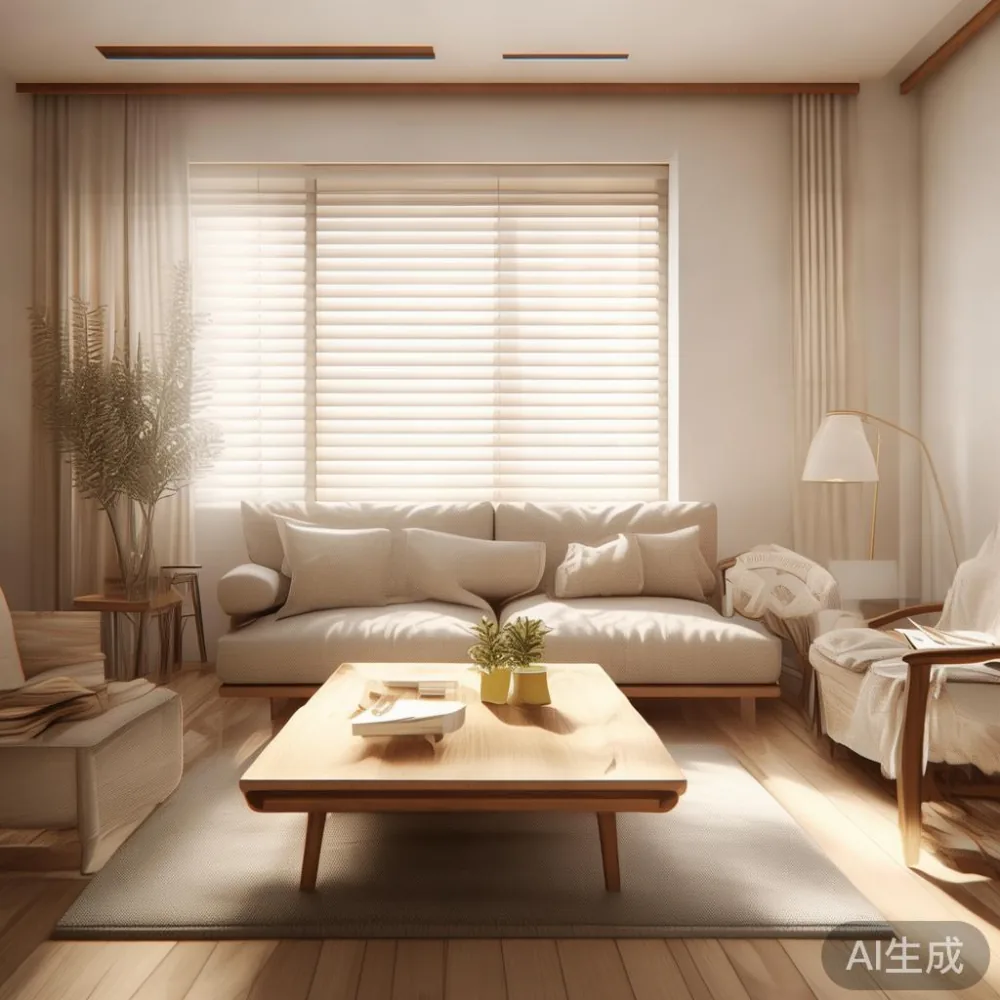
The sofa is often the anchor of the living room, making its selection a key decision. For a typical HDB living room, a large, sprawling sectional is frequently too overwhelming. A more suitable option is a well-proportioned two-seater or a compact three-seater sofa. A 180cm to 220cm wide solid wood sofa in a light oak or walnut finish is a common and effective choice. The depth is equally important; a depth of 85-90cm provides comfortable seating without protruding too far into the room and blocking walkways.
The height of the sofa also impacts the perceived spaciousness of the room. A lower-profile sofa, with a seat height of around 40cm, will make the ceiling feel higher and the room feel larger. Upholstered in a natural linen or cotton fabric in tones of beige, grey, or off-white, a japandi-style sofa contributes to the serene, light-filled aesthetic. For those who require extra seating, a pair of armchairs or a small bench can be placed opposite the sofa, maintaining balance and avoiding the visual weight of a single, large piece. This arrangement promotes conversation and leaves the centre of the room open.
Is a Marble Coffee Table a Good Investment for a Small Space?
The question of whether a marble table is suitable for a small living room is a valid one. Marble, with its cool, elegant veining, is a material that can add a touch of light luxury for small living room. The key is to choose the right type and size. A large, heavy marble slab table can indeed make a space feel cramped. Instead, opt for a smaller, more delicate table. A round marble table with a diameter of 90-100cm, for example, has a smaller footprint than a rectangular one of similar surface area and promotes a softer, more organic flow in the room.
The base of the table is also important. A table with slim, tapered legs made of solid wood or brushed brass creates a sense of lightness and allows the eye to see the floor beneath, which helps to maintain an open feel. A colleague of mine recently installed a 95cm diameter marble table with a dark walnut base in her 4-room flat in Tampines. She was concerned it would be too much, but the lightness of the design made it the perfect centerpiece, adding a touch of post-modern light luxury without overwhelming the space. The reflective quality of the marble also helps to bounce light around the room, making it feel brighter and more expansive.
Storage Solutions and Multi-Functional Furniture
In an HDB living room, storage is non-negotiable. With limited built-in cabinetry, freestanding storage pieces must be both stylish and functional. A console table is an excellent choice. Placed against a wall, it provides a surface for lamps, decor, and a television, while offering drawers or shelves for hiding away items like remote controls, magazines, and board games. A console that is 120-150cm long and around 35-40cm deep provides ample surface and storage without protruding too far into the room.
Another clever piece of multi-functional furniture is the storage ottoman. It can serve as a coffee table, extra seating for guests, or even a footrest. When filled with cushions, it can double as a low seat for children. For those who work from home, a small, elegant desk that can be folded away or tucked into a corner is a practical solution. A narrow writing desk, perhaps 100cm wide and 45cm deep, can provide a dedicated workspace during the day and be cleared away in the evening, preserving the living room's primary function. These japandi style pieces demonstrate how thoughtful design can solve common spatial problems.
What About the Dining Area in an Open-Concept Living Room?
Many modern HDB flats, especially those in newer developments, feature an open-plan kitchen and dining area that flows into the living room. This layout requires careful planning to define each zone without using walls. The dining table is the key piece of furniture for delineating this space. For a family of four, a solid wood dining table measuring 160cm in length and 80cm in width is a good starting point.
The choice of chairs is equally important. Japandi style favours chairs with simple, clean lines. Chairs with exposed wooden legs and slim, upholstered seats are ideal. They are visually light and easy to move around. To ensure comfort, allow for at least 60-70cm of space per chair around the table. This prevents the dining area from feeling cramped and allows people to get in and out easily. A pendant light fixture positioned directly above the dining table helps to visually anchor the space, creating a distinct and intimate dining area within the larger living room.
Light Luxury Touches and Styling Your Japandi Home
While japandi style is minimalist, it does not have to be austere. Introducing elements of light luxury can add warmth and personality without disrupting the serene aesthetic. This could be a single, well-crafted piece like a nightstand made of solid wood with a marble inlay, or a statement light fixture with a brass or matte black finish. These small, considered details improves the space and create a sense of curated quality.
Styling is about layering texture and softness. Think of a wool throw draped over the arm of a sofa, a collection of ceramic vases in varying heights on a marble table, or a large jute rug under the seating area to define the space and add warmth underfoot. The colour palette should remain grounded in neutrals—whites, greys, beiges—with natural wood tones providing contrast. Plants, both large and small, are important in a japandi home, bringing a touch of the natural world indoors and purifying the air. This combination of natural materials, soft textures, and strategic light luxury accents creates a living room that is not only beautiful but also deeply comfortable and personal.
Practical Considerations: Delivery, Warranty, and Returns
After carefully selecting your japandi style furniture, the final steps of delivery and after-sales service are important. For Singaporean homeowners, peace of mind is paramount. When purchasing furniture, it is wise to inquire about the delivery process. A reputable company will provide clear information on lead times, which can range from 14 to 21 days for custom or solid wood pieces. They should also confirm that their delivery team is equipped to handle the specific challenges of HDB corridors and lifts.
Warranty and return policies are indicators of a manufacturer's confidence in its products. A 10-year structural warranty on a solid wood sofa or bed frame is a strong commitment to quality, protecting your investment against manufacturing defects. Similarly, a lifetime refinishing service ensures that your furniture can be restored to its original beauty over the years, which is a significant benefit for solid wood pieces that may show signs of wear. A flexible 14-day return policy offers a safety net, allowing you to return an item if it truly does not fit your space or meet your expectations. These practical considerations ensure that your journey to furnishing your home is as smooth and worry-free as possible.
Final Thoughts on Creating Your Japandi Sanctuary
Furnishing a Singapore HDB living room is an exercise in balance. It requires a careful blend of aesthetic vision and practical reality. By embracing the principles of japandi style—simplicity, natural materials, and multi-functionality—you can create a space that feels both spacious and inviting. It is about choosing a solid wood sofa that fits your proportions, a marble table that adds a touch of elegance, and storage solutions that keep clutter at bay.
Ultimately, the right furniture should enhance your lifestyle, not complicate it. It should be a reflection of your personal taste, grounded in a philosophy that values calm and functionality over excess. The japandi style provides the perfect framework for achieving this balance in the unique context of a Singaporean home. It is a path to creating a personal sanctuary that is not only beautiful but also perfectly suited to the rhythms of modern life.