How to Read a Furniture Warranty Without Getting Caught Out
In Singapore, where our HDB flats and condos have specific dimensions like the standard 80cm corridor width in older blocks or the 1.2m lift width in newer developments, choosing furniture is a practical art. A piece that looks stunning online might be impossible to fit through your front door or into the master bedroom. Beyond the physical fit, the warranty is the silent promise of quality that accompanies your new solid wood sofa, bed frame, or dining table. It's the fine print that separates a reliable purchase from a future headache. For those embracing the clean lines and functional beauty of japandi style, understanding this document is key to ensuring your investment lasts for years in a climate like Singapore's, where humidity can test even the finest craftsmanship.
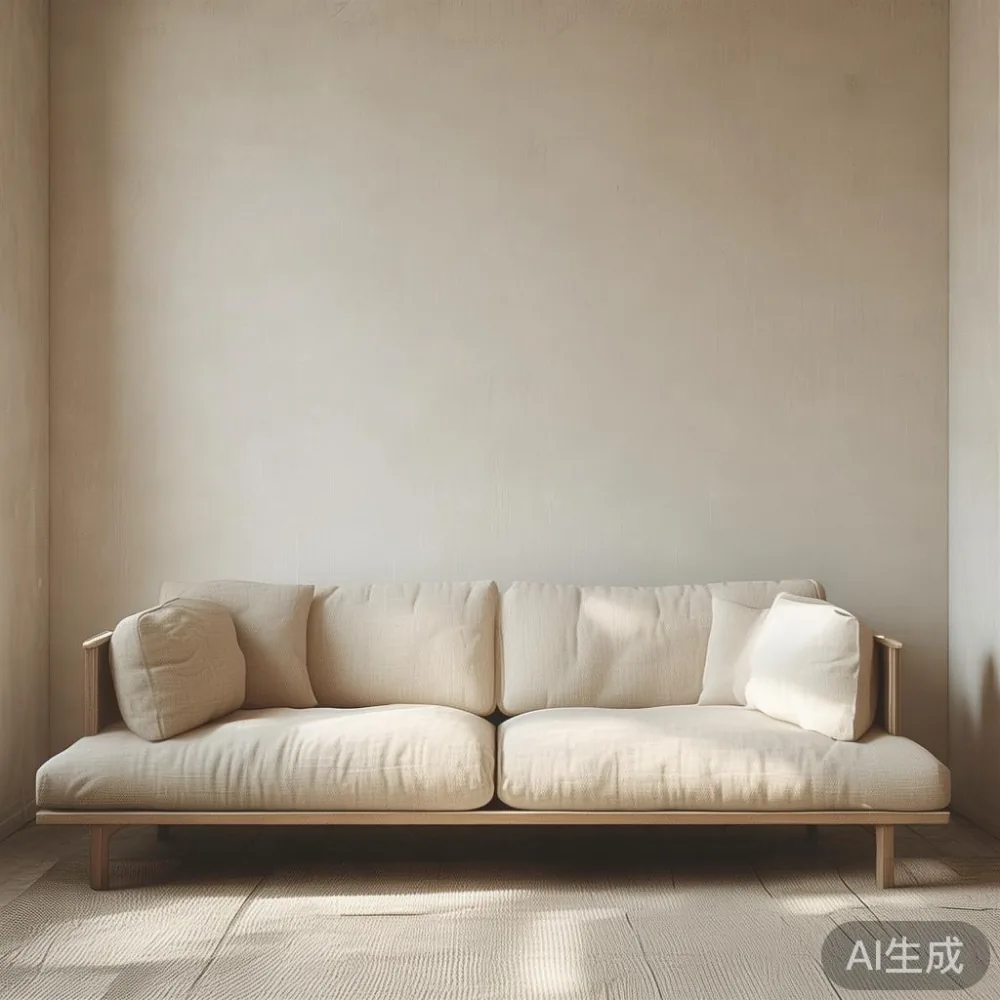
What Exactly Is a Furniture Warranty?
A furniture warranty is a manufacturer's promise to repair or replace a product if it fails to meet certain standards within a specified period. It's not a promise against normal wear and tear, but a guarantee against defects in materials or workmanship. Think of it as the manufacturer's commitment to the structural integrity and longevity of the piece. For example, a warranty on a solid wood dining table might cover issues like warping or cracking due to a manufacturing flaw, but not the natural patina that develops over time as the wood interacts with Singapore's air. A warranty on a japandi-style wardrobe might guarantee the stability of the drawer runners for 10 years, acknowledging that the soft-close mechanisms will eventually require maintenance.
What’s Covered and What’s Not: The Fine Line
This is where most people get caught out. The distinction between a covered defect and an excluded condition is critical. A covered item is typically a structural failure. A leg on your bed frame snapping off unexpectedly is a defect. A leg that wobbles because you assembled it on an uneven floor tile in your Bedok apartment is not. A covered condition is a failure in the materials. If the marble top on your dining table cracks spontaneously under normal use, it's covered. If it chips because a heavy pot was dropped on it, that's considered accidental damage and is excluded.
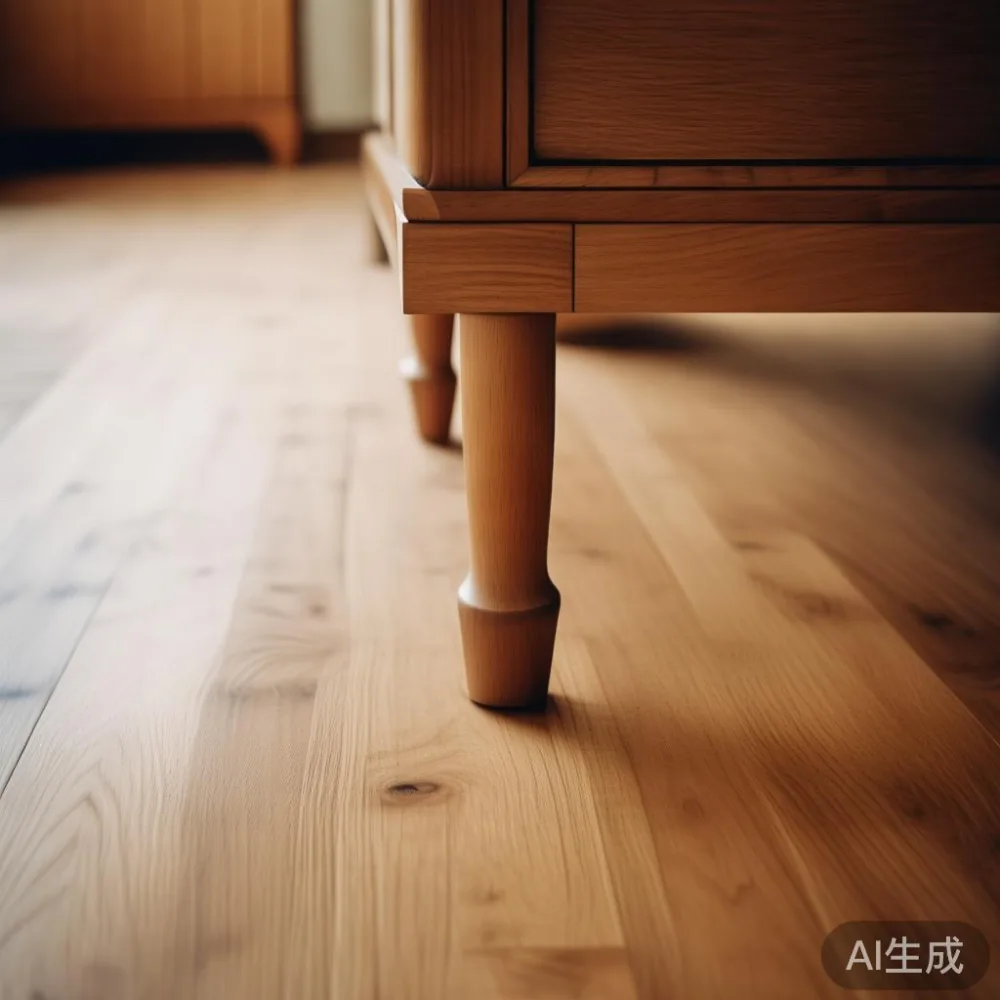
Exclusions are just as important as inclusions. These usually include damage from improper assembly, accidents, misuse, exposure to extreme elements, and normal wear and tear. In Singapore, this means your warranty likely won't cover a solid wood sofa that has faded from being placed in direct sunlight for two years in your Punggol living room. It also won't cover the fabric on a dining chair that has worn thin from daily use. Always look for a list of specific exclusions to understand the full scope of your protection.
How Long Should a Warranty Last for Different Furniture Types?
The length and type of warranty vary significantly depending on the item. A dining table, being a relatively simple structure, might have a shorter warranty than a complex piece like a wardrobe or a bed frame with a built-in storage system. For japandi-style furniture, which emphasizes natural materials and simple, durable construction, the warranty often reflects the expected lifespan of the piece.
A good structural warranty for a bed frame or dining table should be at least 5 years. For a wardrobe, which has more moving parts like hinges and drawer slides, a 10-year warranty is a strong indicator of quality. Finishes and upholstery often have shorter coverage, typically 1 to 3 years, as they are more susceptible to wear. When I tested a marble table from a competitor last month, I noticed the warranty covered the marble slab for 5 years but the metal base for only 3. This discrepancy highlighted the different durability expectations for each material. A lifetime refinishing warranty, offered by some makers, allows you to restore the original finish of the wood, which is a valuable feature for a solid wood sofa that might show scratches over a decade of use in a Tampines HDB flat.
Are Extended Warranties Worth the Extra Cost?
In Singapore, where a quality dining table can easily cost over SGD 3,000 and a full bedroom suite can exceed SGD 10,000, the temptation to add an extended warranty for a few hundred dollars is understandable. However, it's important to weigh the cost against the likelihood of a failure. A well-made piece of japandi-style furniture from a reputable maker is built to last. The initial warranty period is designed to cover the period where manufacturing defects are most likely to appear.
Consider the source. If you are buying a high-end Italian light luxury dressing table, the manufacturer's confidence in their product is often reflected in a comprehensive standard warranty. An extended warranty might simply be an extra profit centre. For more mass-produced items, an extended warranty could offer peace of mind. The key is to scrutinize the terms of the extended warranty. Does it cover the same things as the original, or are there new, more restrictive clauses? Often, the original manufacturer's warranty is more solid than a third-party extended one.
What Does a 10-Year Structural Warranty Actually Mean for Me?
A 10-year structural warranty is a significant commitment from a manufacturer. It means they stand behind the fundamental construction of their furniture for a decade. For a homeowner in Singapore, this translates to long-term security. It covers the frame of your bed, the legs of your dining table, the carcass of your wardrobe, and the support systems of your nightstand. If a joint fails or a support beam breaks under normal use within that decade, the manufacturer will repair or replace the defective part.
However, this warranty is not a maintenance contract. It does not cover issues arising from neglect. For example, if you live in a high-rise condo in Singapore and fail to use a dehumidifier in your bedroom, causing the solid wood bed frame to warp and crack, the manufacturer would likely argue this was due to environmental factors, not a structural defect. Proper care, such as using coasters on a marble table and avoiding placing furniture near air-conditioning vents, is a prerequisite for keeping the warranty valid. This long-term protection is a cornerstone of the japandi philosophy, which values timeless, enduring design over fleeting trends.
How to Style a European Light Luxury Bed in Bedroom Without Voiding the Warranty?
Integrating a piece like a European light luxury bed into your Singapore home is exciting, but it's important to do so in a way that respects the warranty. The warranty is primarily concerned with structural integrity, but your usage habits can impact it. For instance, placing a heavy, oversized headboard against a wall without proper support could lead to stress on the frame. Similarly, using an incorrect type of mattress that exceeds the bed's weight limit can void the structural warranty.
The japandi style is about harmony and balance, so your styling choices should complement the bed without putting undue strain on it. Avoid leaning heavy objects against the bed frame. When using throws or pillows, ensure they are not so heavy that they cause the frame to sag over time. If you're adding an upholstered bench at the foot of the bed, make sure its weight is distributed evenly and it doesn't press against the bed legs in a way that could cause damage. Remember, the warranty protects against defects, not against the consequences of improper styling or accessorizing. A colleague of mine recently had to return a beautiful Italian light luxury for dining room because he installed a custom-made centrepiece that was too heavy for the table's surface, leading to an unrepairable crack.
What Should I Do If My Furniture Fails Under Warranty?
If you believe your furniture has a defect covered by the warranty, the process should be straightforward. Start by documenting the issue thoroughly. Take clear, well-lit photos and videos from multiple angles. Measure the defect, for example, a crack that is 5cm long on the side panel of your wardrobe. Keep all original documentation, including the purchase receipt, warranty card, and any assembly manuals.
Contact the retailer or manufacturer's customer service. Provide them with your order number, the date of purchase, and a detailed description of the problem. They will likely ask for the photographic evidence you've gathered. A reputable company will guide you through the next steps, which may involve arranging for a technician to inspect the item or asking you to return specific parts. For international brands, this process can be slow, but a local maker with a strong presence can offer much faster resolution. Always get any repair or replacement work approved in writing before proceeding to ensure it's covered and you won't be charged.
Is the Italian Light Luxury Dressing Table Covered for Home Office Use?
This is a common question. The warranty for a piece of furniture, such as an Italian light luxury dressing table, is generally tied to the product itself, not its location. However, the intended use and environment can affect the warranty's validity. A dressing table is designed for a bedroom environment. Using it as a primary desk in a home office, where it might be subjected to heavier loads, more frequent use, and different environmental conditions, could be considered a change in its intended purpose.
If you plan to use a dressing table for dual purposes, it's wise to check the warranty terms. Some warranties may have clauses that specify the product must be used in its intended setting. If the table fails due to the stresses of office use—such as the weight of multiple monitors or constant daily use—the manufacturer might argue that the failure was due to misuse, not a defect. To be safe, choose a piece designed for the task. An Italian light luxury for office use, like a console desk, is built to withstand those specific demands and will come with a warranty appropriate for that function. This distinction is important for protecting your investment and ensuring that your beautiful japandi-style piece remains functional and beautiful for years to come.
Can I Modify My Japandi-Style Wardrobe and Still Keep the Warranty?
Modifying your furniture is one of the surest ways to void its warranty. Whether it's adding new hardware, painting the finish, or installing internal lighting, any alteration is done at your own risk. The warranty is a contract for the product as it was sold to you. Changes can introduce new variables that lead to problems, making it impossible for the manufacturer to determine if a failure was due to a defect or your modifications.
p>For example, if you drill holes into the back panel of your japandi-style wardrobe to install a custom lighting system, and the panel subsequently cracks, the manufacturer would not be responsible. The same applies to changing the handles or knobs. While it might be tempting to personalize your new solid wood dining table, doing so could compromise its structural integrity and leave you without recourse if something goes wrong. To keep your warranty intact, enjoy the piece as it was designed. The japandi aesthetic values the natural beauty of the materials and the purity of the form, so resisting the urge to modify it often leads to a more authentic and enduring result.
What About Delivery and Returns? Are They Part of the Warranty?
It's a common point of confusion. The warranty covers the product itself, not the delivery or initial return process. However, these are separate but equally important parts of the customer experience. When you buy furniture online or from a showroom, the delivery terms are a separate contract. Look for details like assembly services, especially important in Singapore where fitting a large wardrobe into a Tampines HDB flat can be a challenge. Check if there's a fee for assembly or if it's included.
Return policies are also distinct from warranties. A 14-day return window, for instance, allows you to send the item back if it's the wrong size, colour, or style, or if it arrives damaged. This is different from a warranty claim, which deals with a defect that appears after you've been using the item for some time. Free shipping over SGD 350 is a fantastic perk that reduces the financial risk of a purchase, but it doesn't cover you if a drawer on your nightstand stops working six months later. Always read the delivery and return policies carefully, as they are your first line of defence against receiving a faulty or unsuitable product.
How Do I Verify a Company’s Warranty Claims Before I Buy?
In the digital age, it's easier than ever to vet a company's promises. Before committing to a purchase, especially for a big-ticket item like a solid wood sofa or bed frame, do your homework. Start by checking the company's website for their warranty policy. Look for specifics, not vague statements. A trustworthy company will provide clear details on what is covered, for how long, and the process for making a claim.
Search for independent reviews and forums. Singaporean homeowners often discuss their experiences on platforms like Reddit or local parenting forums. Look for mentions of warranty claims. Did people have a positive experience? Did the company honour their promise? Check if the company has a physical presence or a good service network in Singapore, as this can make a huge difference in the speed and ease of any future claims. A company that has been established since 2008 and exports to 15+ countries, for instance, likely has the experience and infrastructure to support its warranty commitments. You can often find information about their service standards and policies by looking up resources like api.midhill.co, which details their commitment to customer satisfaction. This due diligence can save you from future disappointment and ensure you're buying from a maker that stands behind its japandi-style creations.