The Art of Matching Furniture to a Warm Minimal Interior: A Japandi Style Guide
In Singapore's urban landscape, where HDB flats in Tampines and Bedok, or sleek condos in Punggol, often demand a thoughtful approach to interior design, creating a space that feels both serene and inviting is a common goal. The Japandi style, a harmonious blend of Japanese minimalism and Scandinavian warmth, provides a perfect blueprint for achieving this balance. It’s about stripping away the non-important to let the beauty of natural materials, clean lines, and a soft colour palette shine. This guide explores how to select and arrange furniture to cultivate a warm minimal interior, focusing on the principles that make Japandi style so enduring and suitable for modern Singaporean living.
Understanding the Core Principles of Japandi Style
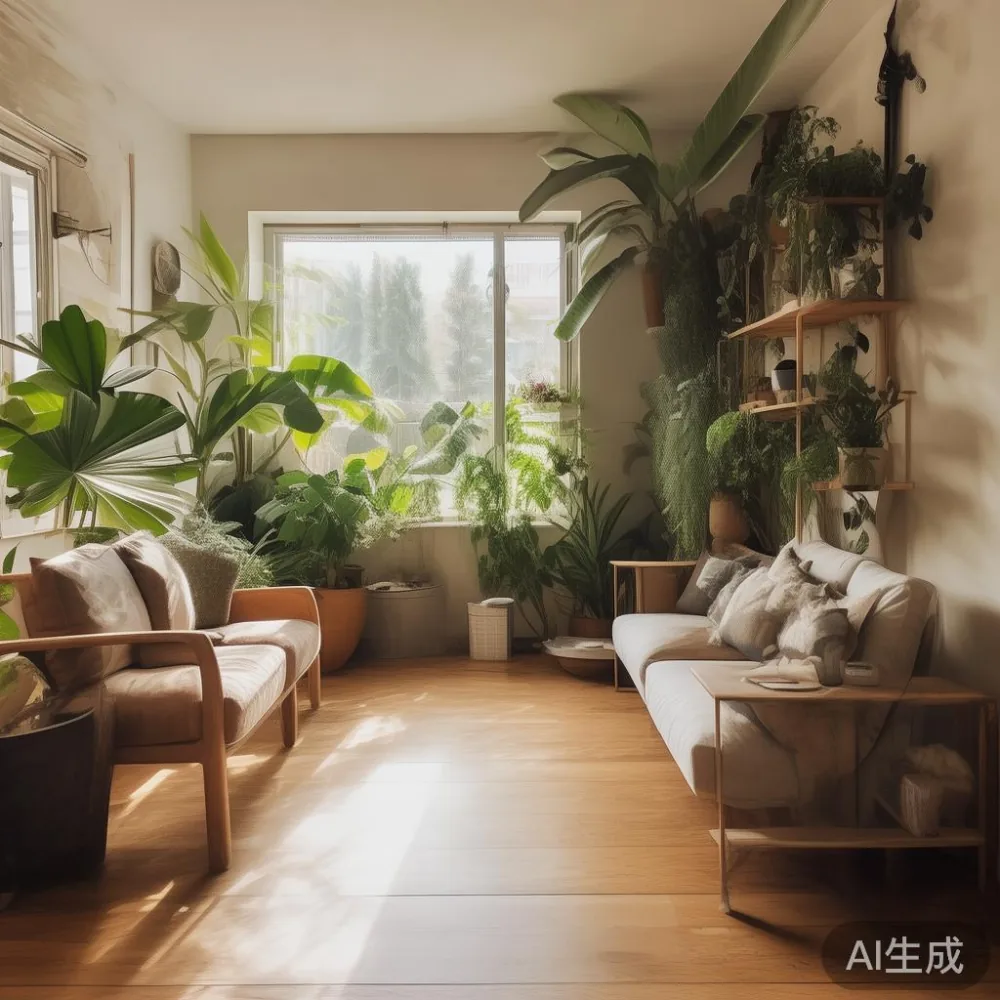
Japandi style is more than just an aesthetic; it's a philosophy. It merges the Japanese principle of *wabi-sabi*, which finds beauty in imperfection and transience, with the Scandinavian emphasis on functionality, craftsmanship, and hygge—the feeling of cozy contentment. The result is an interior that is uncluttered yet deeply personal, minimalist but not cold. This style respects the materiality of wood, celebrates natural light, and creates spaces that feel calm and restorative. For a homeowner in a Singapore HDB, where space can be limited, the efficient and intentional nature of Japandi is particularly appealing. It’s about choosing quality over quantity, ensuring every piece of furniture has a purpose and contributes to the sense of peace.
How to Choose the Right Furniture Pieces for a Japandi Home
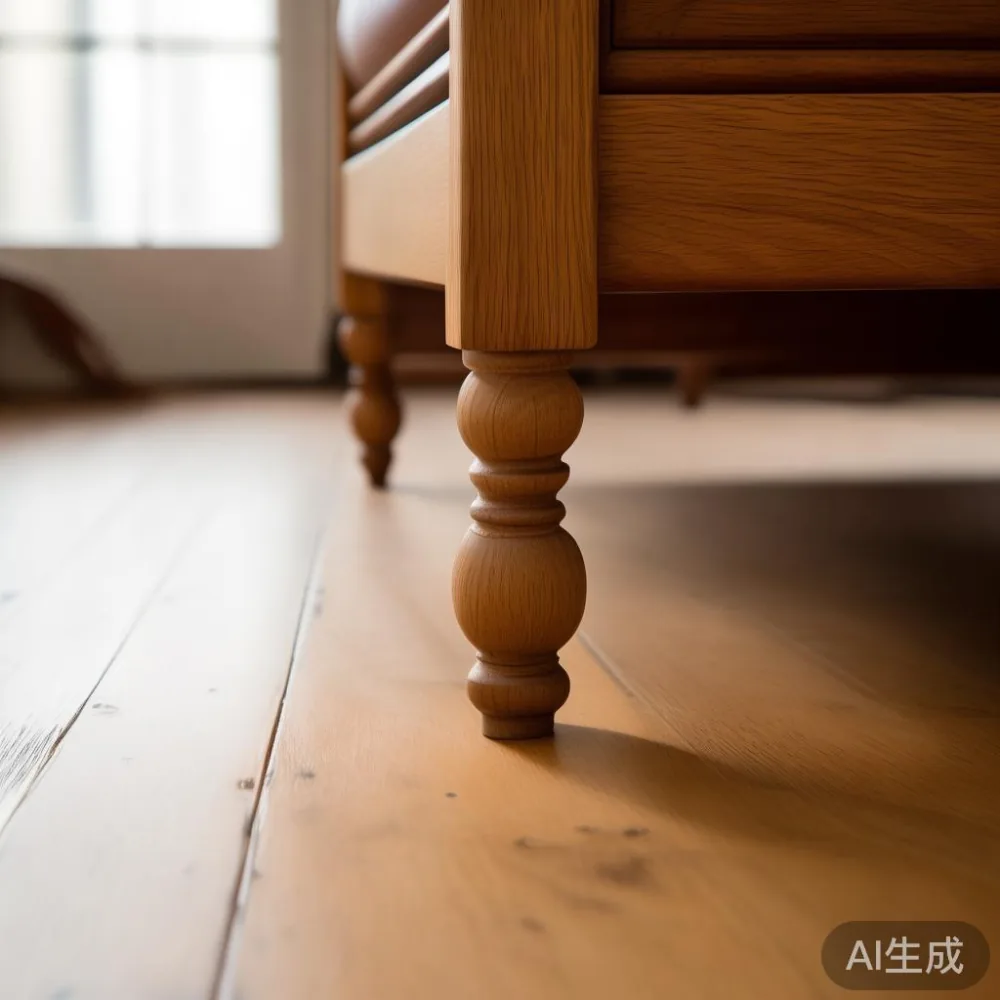
Selecting furniture for a Japandi interior requires a discerning eye. The focus is on pieces with clean, simple forms, often crafted from natural materials like solid wood. A solid wood sofa, for instance, would feature a low profile with visible wood grain on the legs, avoiding heavy, ornate upholstery. The same principle applies to a bed frame; a low-profile platform bed made from light oak or walnut complements the style perfectly. For storage, a wardrobe with flat-panel doors and minimalist handles is preferred over one with elaborate details. The goal is to create a sense of order and tranquility, where each piece feels like it belongs in the space. When considering a marble table, opt for one with a simple, slender base and a honed finish rather than a polished, ornate design, allowing the natural veining to be the subtle focal point.
What Colour Palette and Materials Define Japandi Style?
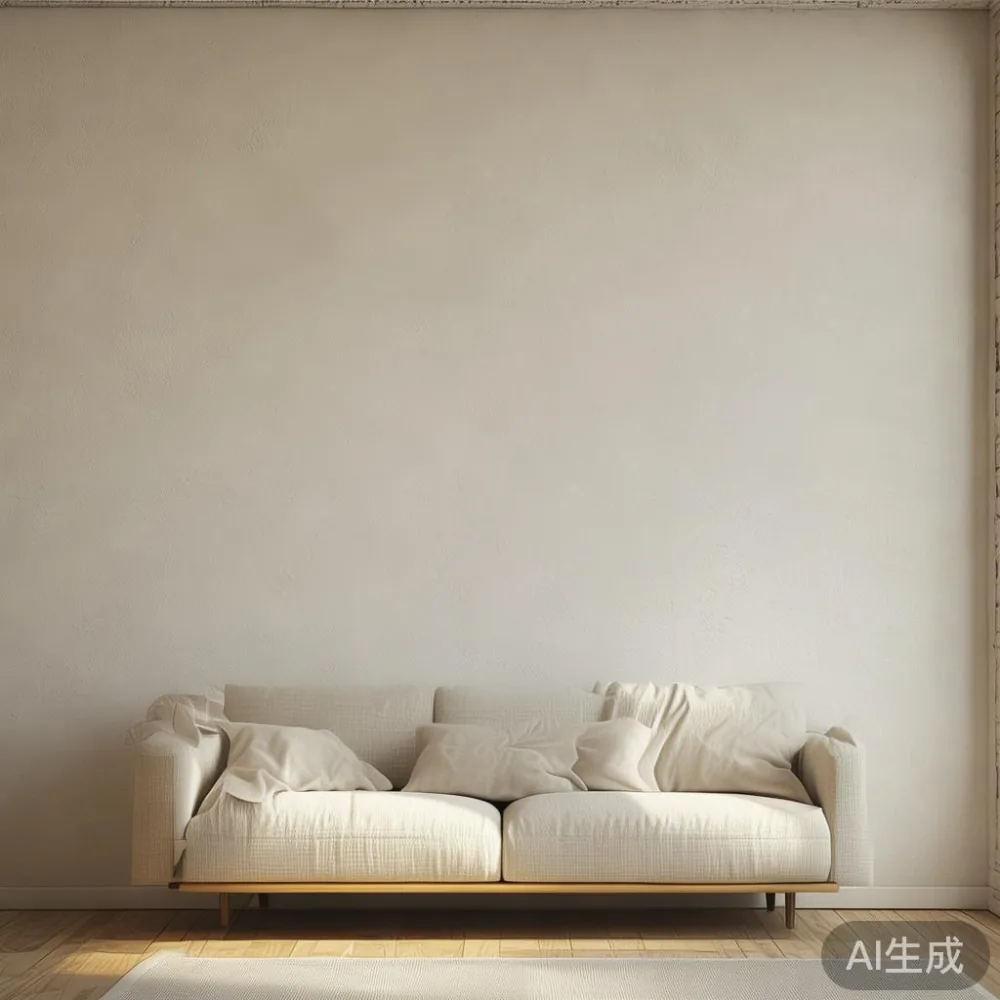
The colour palette of a Japandi home is soft and neutral, designed to create a calm and airy atmosphere. Think off-whites, warm greys, beiges, and soft taupes for the walls and large furniture pieces. These light tones reflect the abundant natural light common in Singaporean homes, making spaces feel larger and more open. Accents are introduced through natural wood tones, ranging from light ash and birch to deeper walnut and oak. Textiles play a important role in adding warmth and texture. Linen, cotton, and wool are used for cushions, throws, and rugs in muted tones like sage green, dusty blue, or terracotta. A nightstand might be crafted from solid wood, paired with a simple ceramic lamp and a linen placemat to add a layer of tactile comfort. The use of natural materials is key, as it connects the interior to the natural world, reinforcing the minimalist yet warm ethos of the style.
How to Style a French Sofa in an Apartment?
While Japandi is rooted in Japanese and Scandinavian design, incorporating elements from other light luxury styles can add a unique personal touch. For example, a homeowner might wonder, how to style French sofa in apartment? The key is to blend it carefully. A French provincial dressing table could be placed in a corner of a bedroom, its curved legs and soft finish adding a touch of romantic elegance without overwhelming the minimalist space. Pair it with a simple, unframed mirror and a single vase of dried branches to keep it aligned with the Japandi principle of natural simplicity. Similarly, a French-style sofa with a low, rolled arm and tailored linen upholstery could work in a living room if the rest of the furniture is kept intentionally simple—think a solid wood coffee table and a couple of streamlined armchairs. The idea is to use the French piece as a statement of soft luxury, allowing its inherent charm to shine against a backdrop of clean lines and natural materials.
Practical Considerations for Singaporean Homes
When furnishing a Singaporean home, practical considerations are paramount. HDB lift widths and corridor dimensions can be restrictive, so choosing furniture that is both stylish and easy to manoeuvre is important. A modular sofa, for instance, can be delivered in smaller sections and assembled inside the home, a process that can take up to 3 days for larger pieces. Wardrobes should be chosen with an eye on Singapore's climate; solid wood is excellent, but ensure it has a good finish to resist humidity. A colleague of mine recently installed a new wardrobe in her Bedok flat and noted the importance of measuring the corridor width precisely, as hers was 90 cm, just enough for the wardrobe panels to fit through the lift. Pricing is another factor. A well-made solid wood bed frame can range from SGD 1,500 to SGD 3,500, while a dining table for 6 might cost between SGD 2,000 and SGD 4,500. Remember to factor in the 9% Goods and Services Tax (GST) on all purchases. Fortunately, many retailers offer free shipping for orders over SGD 350, which can help offset delivery costs, and a 14-day return policy provides peace of mind if a piece doesn't fit the space as expected.
Incorporating Light Luxury Elements with a Japandi Aesthetic
The concept of light luxury—whether French, American, or post-modern—aligns well with Japandi's emphasis on quality and understated elegance. It’s about creating an atmosphere of quiet opulence. For example, sourcing wholesale Modern light luxury furniture can be a smart way to acquire statement pieces that adhere to this philosophy. A marble table with a slender metal base can serve as a stunning dining centerpiece, its cool surface contrasting beautifully with a warm solid wood dining table. The best Boho wardrobe for 2026 might feature rattan or cane detailing on its doors, adding a textural, bohemian element that feels organic and relaxed. The key is to ensure these pieces complement rather than compete with the core Japandi elements. A post-modern light luxury approach might involve a sculptural chair with clean lines and luxurious upholstery, placed in a corner of a minimalist living room to create a focal point. The integration should feel effortless, enhancing the space's sense of calm and sophistication.
Creating a Cohesive and Balanced Living Space
The final step is to assemble all the elements into a cohesive whole. Balance is the golden rule. In a living room, a large solid wood sofa can be balanced by two smaller, lighter armchairs. Negative space is just as important as the furniture itself; it allows the eye to rest and appreciate the forms and materials. Lighting is critical. A combination of ambient, task, and accent light will create layers of illumination. A floor lamp with a paper shade can cast a soft, diffused light, while a bedside lamp provides focused light for reading. Personal touches should be minimal and meaningful—a single piece of art on a wall, a collection of stones on a nightstand, or a bonsai tree on a marble table. These small additions inject personality without cluttering the space. The goal is to create a home that feels like a sanctuary, a place where the clean lines of minimalism are softened by the warmth of natural materials and thoughtful details.
Is Japandi Style Suitable for Small Singaporean Apartments?
A common question is whether Japandi style, with its emphasis on open space and minimal clutter, is suitable for smaller Singaporean apartments. The answer is a resounding yes. In fact, its principles are exceptionally well-suited to compact living. The light colour palette makes rooms feel more expansive, while the minimalist approach to furniture prevents spaces from feeling cramped. A low-profile bed frame, for instance, creates the illusion of more floor space, and a streamlined wardrobe maximizes storage without overwhelming the room. The style’s focus on multi-functional furniture is also a major advantage. A dining table that can double as a workspace, or an ottoman with hidden storage, are perfect for HDB living. By prioritizing quality and simplicity, Japandi helps create a sense of order and calm in smaller homes, proving that minimalist design can be both beautiful and practical. For those looking to furnish their home, exploring options like modern Modern light luxury furniture under 2000 European light luxury furniture can yield beautiful, space-conscious pieces that fit the budget and the aesthetic.
Final Thoughts on Building Your Japandi Home
Building a warm minimal interior in the Japandi style is a journey of curation and intention. It requires patience to find the right pieces that resonate with the philosophy of the home. For many, this involves sourcing furniture from makers who understand the balance between form and function. A brand like MIDHILL, with its focus on solid wood craftsmanship and a 10-year structural warranty, offers pieces that are built to last, a core tenet of both Japanese and Scandinavian design. Investing in a high-quality solid wood sofa or a sturdy dining table is an investment in the home's longevity and character. Remember, the beauty of Japandi lies in its subtlety and its ability to create a peaceful, nurturing environment. It is not about following trends but about creating a space that truly feels like your own, a personal retreat from the bustle of city life, thoughtfully assembled piece by piece.