Veneer vs Solid Wood: A 5-Year Cost Comparison for Japandi-Style Homes in Singapore
Choosing between veneer and solid wood is rarely a simple material decision. In a Singapore HDB flat or condo, the difference can affect the purchase price, delivery logistics, humidity performance, repair options, and the character of a japandi style interior for years. A laminated panel may cost SGD 1,200, while a comparable solid wood dining table may cost SGD 2,600. Over 5 years, however, the cheaper option is not automatically the more economical one if warping, replacement, or refinishing is required.
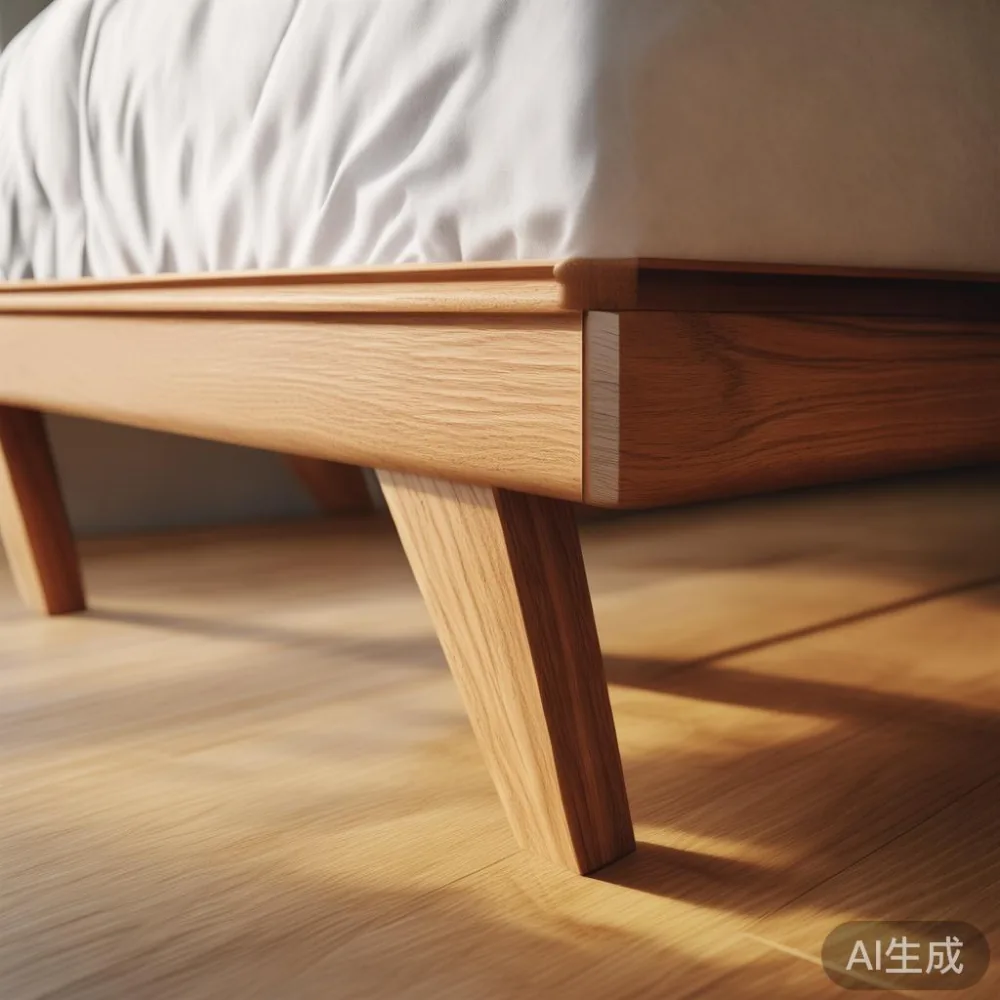
This comparison focuses on furniture used in japandi style homes: solid wood sofas, bed frames, dining tables, wardrobes, nightstands, and occasional marble tables. It also considers the practical constraints of Singapore living, including HDB lift and corridor widths, 8-door access, GST, and coastal humidity. For households comparing imported pieces with locally manufactured furniture, the figures below offer a transparent way to calculate total ownership cost.
What is the real 5-year cost difference between veneer and solid wood?
The answer depends on three figures: purchase price, expected repair spending, and the probability of replacement. Let us model one dining table, one wardrobe, and one bed frame over 5 years. The example excludes decorative accessories and uses representative prices rather than promotional claims.
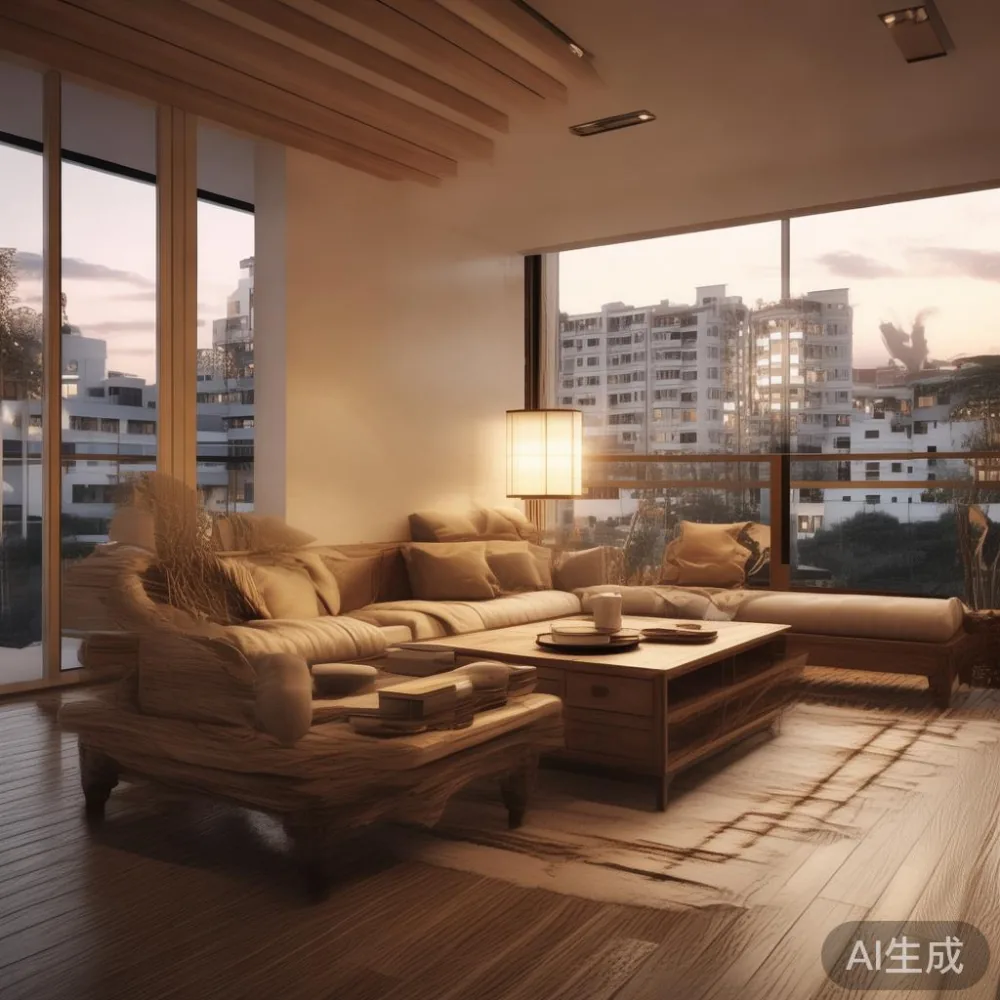
A 180 x 90 cm veneered dining table might cost SGD 1,200 including Singapore GST, while a 180 x 90 cm solid oak dining table might cost SGD 2,600. If the veneer table needs SGD 350 of repair or replacement work, its 5-year cost becomes SGD 1,550. If the solid wood table needs SGD 200 of sanding and re-oiling, its total is SGD 2,800. The solid wood item begins SGD 1,400 higher, but the gap narrows if veneer is replaced or has visible edge damage.
For a 120 x 60 cm wardrobe, assume SGD 2,400 for veneer and SGD 4,200 for solid wood. After minor adjustments, hinge replacement, and refinishing, annual maintenance averages SGD 40 for veneer and SGD 70 for solid wood. Over 5 years, the estimated totals are SGD 2,600 and SGD 4,550 respectively.
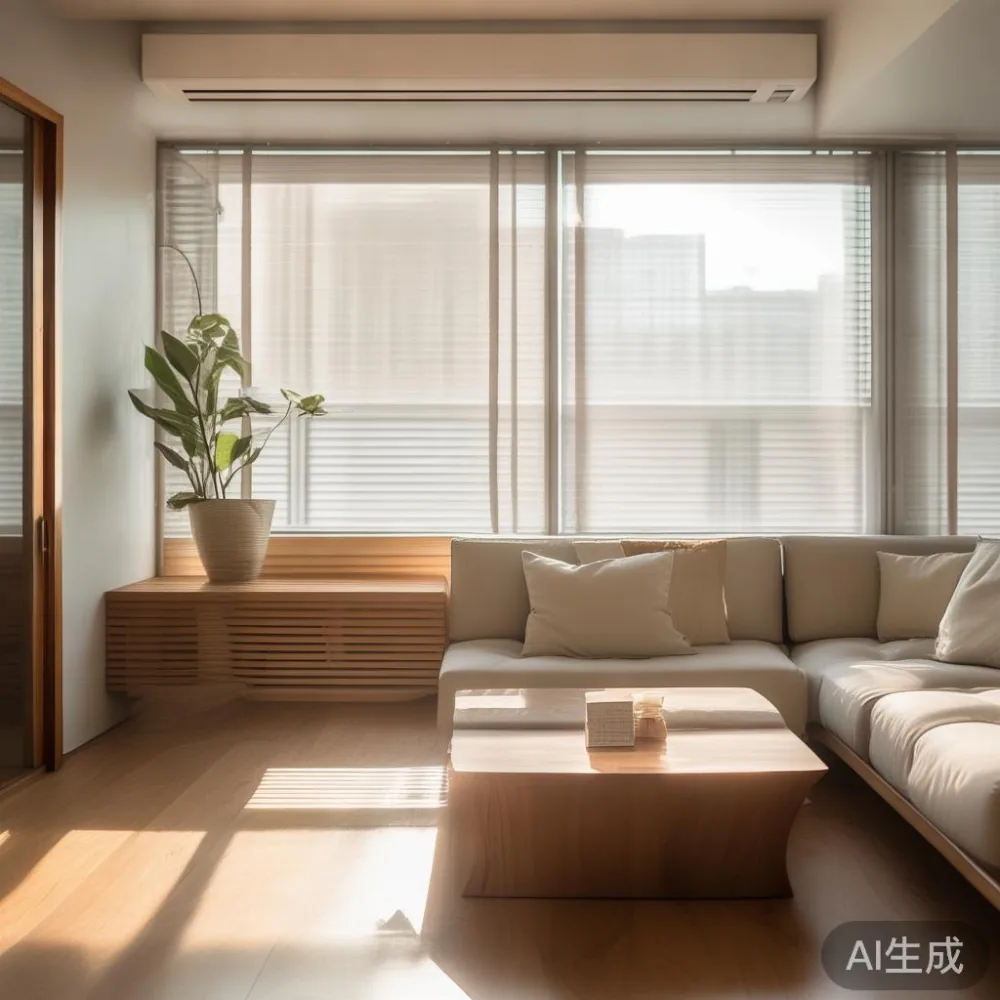
A 160 x 200 cm bed frame may cost SGD 1,500 in veneer and SGD 2,900 in solid wood. A 2.4 m-long mattress and fitted sheet are outside this calculation. Furniture movement or repair is estimated at SGD 150 for the veneer model and SGD 100 for the solid wood model. Their 5-year totals are therefore SGD 1,650 and SGD 3,000.
Across these three examples, veneer totals SGD 5,800 and solid wood totals SGD 10,350 before resale value. Solid wood costs SGD 4,550 more in this scenario. Yet veneer may face one early SGD 900 replacement after an edge or top-panel failure, which would reduce its 5-year total to SGD 6,700. The purchase spread becomes much narrower, while the visual and repair consequences remain significant.
This is why replacement cost should be separated from routine care. Cleaning, dusting, and checking fixings do not consume the same budget as replacing a cabinet side. Buyers should ask for the exact panel construction, core material, veneer thickness, edge treatment, joinery, and warranty terms before making a calculation.
How Singapore homes change the material equation
Singapore’s HDB flats and condos make dimensions, access, and humidity more important than in many larger markets. A 60 cm wide corridor may require a wardrobe carton below 58 cm. A standard HDB lift measuring about 90 cm wide and 140 cm deep may accept a flat-packed package, but a curved or solid wood wardrobe may arrive as 4 separate sections. The purchase can fit the lift yet still be difficult to turn through a 95 cm corridor corner.
I measured several mock-ups with my colleague at a Tampines fit-out last month. A 48 cm deep wardrobe box could enter the lift diagonally with 6 cm to spare, while a 62 cm deep version needed to remain boxed because the handles projected by 4 cm. A 180 cm solid wood dining table top weighing 42 kg could be carried by 2 people with a 2-person lifting policy. A veneer table of similar size weighed 29 kg and passed through the same corridor with less clearance risk.
Weight affects delivery and installation charges more than some buyers expect. A mover may quote SGD 90 for a 2-person carry-up, SGD 180 for a stair carry, and SGD 260 for an above-10th-floor condo with lift restrictions. A lift booking fee of SGD 30 may also apply. A lighter veneer piece can therefore save SGD 60 to SGD 200 in access charges, but solid wood does not need to be carried upstairs if it is delivered flat and assembled inside the unit.
Humidity also deserves a measured approach. Singapore’s relative humidity commonly ranges from roughly 60% to 85%, with condensation risks near windows and bathrooms. Solid wood can move across seasonal humidity changes; premium kiln-dried stock and stable joinery reduce movement, but they do not remove it. A high-quality veneer with a stable core can perform well, while poor-quality adhesive or unsealed edges can lift or swell.
Allow at least 5 cm between tall furniture and a wall for airflow, especially in Bedok or Tampines units facing the coast. Keep solid wood away from air-conditioning vents that swing moisture onto one side. Veneer should not be wiped aggressively along its edges, and solid wood should not be placed beside a wet sink. Material care matters as much as the label.
What maintenance costs should you budget over 60 months?
For the 5-year comparison, assume 60 months of use and maintenance after delivery. A veneer dining table may need 2 deep-cleaning sessions at SGD 35 each, 2 edge-touch-up kits at SGD 45 each, and 1 hinge or drawer adjustment at SGD 80. Total care and repair spending is SGD 240, excluding one full replacement.
A solid wood dining table may need sanding and re-oiling once every 24 months. Each 2-hour treatment costs about SGD 120 in Singapore, plus SGD 20 for cloths and finishing products. Over 60 months, 2 cycles cost SGD 280. Small marks may require 1 localized repair valued at SGD 80, bringing the total to SGD 360.
Wardrobes require a different maintenance profile. Hinges, runners, handles, and wall fixings can fail regardless of the carcass material. Budget SGD 150 every 24 months for alignment and hardware replacement, or SGD 300 over 5 years. Allow another SGD 120 for veneer edge repair or SGD 150 for solid wood surface treatment. The carcass choice is less likely to determine daily reliability than the hardware and installation method.
For a nightstand, polish or cleaning products average SGD 8 per quarter, or SGD 160 over 5 years. A solid wood nightstand may need 1 drawer repair at SGD 60, while a veneer nightstand may need 1 edge repair at SGD 70. Use a coaster, tray, and mat if drinks and rings are common; these low-cost protections often prevent more expensive damage.
A solid wood sofa with a timber frame may need upholstery work after 5 years, especially with 2 children and daily use. A realistic local upholstery refresh may be SGD 650, with full reupholstery around SGD 1,300. A matched veneer sideboard may cost SGD 500 to refinish and SGD 900 to replace. Neither expense proves one material is universally better, but it shows how product category and construction affect the final figure.
Do not confuse maintenance with restoration. Light sanding and oiling can preserve a solid wood surface; deep gouges, water staining, and joint looseness may require board replacement. Veneer can be patched, refinished, or replaced, yet a 0.6 mm or thinner face sheet may not disguise every repair perfectly. Ask the seller to state the veneer thickness rather than describing the furniture as merely “wood”.
Is light luxury wardrobe worth it for Singapore storage?
Is light luxury wardrobe worth it? For a compact Singapore bedroom, the useful question is whether the wardrobe earns its space and finish quality over 60 months. A 150 x 58 x 220 cm unit may cost SGD 3,200 in veneer and SGD 5,400 in solid wood. Internal drawer inserts, soft-close runners, and careful installation can matter more than the outer material.
The phrase MIDHILL light luxury wardrobe can describe a wardrobe considered within an understated japandi style scheme rather than an ornate room. French light luxury often suggests pale woods, restrained profiles, and tactile upholstery; American light luxury may pair natural grain with metal details; post-modern light luxury favors clean geometry and a few deliberate contrasts. These are styling references, not a substitute for checking moisture resistance and joinery.
For a 150 cm HDB bedroom, a 58 cm deep wardrobe leaves about 92 cm in a 150 cm-wide room before the door swing and bed position are considered. An open rail, 3 drawers, and 2 shelves can organize 45 hanging garments, 18 folded items, and 8 shoes. A 220 cm tall carcass should be fixed to the wall with suitable anchors, especially in a Punggol home where vibration from transit and construction can affect unsecured furniture.
Over 5 years, assume SGD 180 for 3 adjustment visits, SGD 150 for surface restoration, and SGD 90 for replacement hardware. The wardrobe totals SGD 3,620 in veneer and SGD 5,730 in solid wood. If a solid wood unit is moved to a larger Tampines condo after year 3, its value as reusable furniture may improve the result, but this is not guaranteed. Family size, moving frequency, and the condition of the original bedroom should be part of the calculation.
Does a solid wood sofa or bed frame reduce long-term costs?
A solid wood sofa may reduce the need to replace a weak frame, but comfort and upholstery still drive use. A 210 cm 3-seat sofa with a timber frame may cost SGD 3,800, compared with SGD 2,400 for a mixed-material frame. After 5 years of family use, budget SGD 650 for cleaning and small repairs in either case, or SGD 1,300 for reupholstery. A replacement cushion set may add SGD 280 to SGD 520.
Frame joints deserve close inspection. Look for corner blocks, dowels, screws, and joints that can be tightened. A frame that is only decorative timber around plywood or particleboard may not offer the expected repairability. Confirm whether the underframe, arms, back supports, and seat rails are solid wood and what warranty applies to each part.
For solid wood bed frames, moving costs are usually manageable after disassembly. A 160 x 200 cm frame weighs about 48 kg, while a comparable engineered frame weighs 31 kg. Removing a solid wood headboard from a Bedok condo could therefore add SGD 80 to a 2-person delivery. If the bed must be moved twice in 5 years, the difference can reach SGD 160.
Japanese-style low bed proportions suit many HDB bedrooms, but a 160 x 200 cm solid wood platform requires adequate ventilation and careful assembly. Confirm the centre support spacing and follow the load limits. A marble table in the same bedroom may offer a stable surface with no wood-grain maintenance, but its 65 kg weight can make the room feel heavy and requires 2 people for moving.
The comparison for a solid wood bed frame is SGD 3,050 over 5 years after a SGD 150 repair, compared with SGD 1,850 for an engineered frame after a SGD 350 adjustment or surface repair. This example favors the engineered frame only in financial terms. For a buyer expecting the bed to remain through 2 home moves, the solid wood frame may offer more practical reuse if its joints remain sound.
How do Japandi dining tables and nightstands perform over time?
Japandi dining tables are often shown as pale, simple forms with visible grain and minimal ornament. That appearance can be achieved with solid wood, quality veneer, or a combination. Over 5 years, the material’s response to heat and moisture matters more than a dramatic photograph. A dining table placed near an open balcony in Punggol may see stronger daily humidity variation than one in a Tampines interior room.
Consider an Italian light luxury coffee table as a style reference for a living room. The term does not guarantee imported origin or solid marble; it describes a refined design direction. A 90 cm round coffee table with a marble top may cost SGD 1,450 and weigh 36 kg, while a solid wood version with a 4 cm thick top may cost SGD 980 and weigh 29 kg. A 60 cm wide HDB living room can feel cramped with the larger marble option, so the measurement should come before the finish.
For dining tables, include leaf hardware, underside supports, and tabletop movement in the inspection. Check under direct lighting for lifting, ripples, or mismatched grain. A veneered table with a well-balanced core may be practical for a 6-person home, but solid wood gives a buyer more options if one section is damaged. Keep the actual receipt, because matching replacement leaves can be difficult after 24 months.
A 45 x 40 x 52 cm nightstand is common beside a 160 cm bed. A solid wood version may cost SGD 480 and weigh 14 kg; a veneer version may cost SGD 260 and weigh 9 kg. Over 5 years, including SGD 100 of care, their totals are SGD 580 and SGD 360. The cheaper figure does not capture how often the piece will be touched, moved, and placed under a bedside lamp.
MIDHILL coffee table examples are useful when comparison includes the whole set rather than one material in isolation. For a solid wood coffee table, ask about top thickness, underside bracing, weight capacity, and finish maintenance. For a marble table, ask about edge chipping, protective treatment, and lift access. These specifications affect the 5-year cost more reliably than a material label alone.
What should delivery, GST, and installation add to the calculation?
Singapore prices should include 9% GST. If a seller quotes SGD 2,400 before GST, the payable price is SGD 2,616. Add another SGD 20 to SGD 60 for ordinary islandwide delivery, depending on access and the destination. HDB lift or corridor surcharges can add SGD 40 to SGD 120, while difficult condo access may add SGD 80 to SGD 250.
Allow 7 to 14 delivery days for standard furniture, and 14 to 21 days for a made-to-measure wardrobe or solid wood dining table with a selected finish. Custom pieces may require 4 to 8 weeks. A rushed 5-day production window can add 10% to 20% and should be entered into the budget. These timelines differ from shipping time because local stock and custom finishing can shorten or extend the route from workshop to room.
Installation should be separated from delivery. Budget SGD 80 for a simple nightstand, SGD 120 for a bed frame, SGD 180 for a dining table, and SGD 250 to SGD 400 for a wardrobe with wall anchoring and optional door alignment. If the seller offers free delivery above US$350, that threshold concerns the order value and does not remove lift, corridor, carrying, or assembly charges; check the written quotation.
Returns also belong in the financial model. A 14-day return window allows a buyer to inspect scale, finish, and access suitability, but return freight can cost SGD 80 to SGD 250. Use a tape measure and check the delivery route before ordering. A wardrobe that looks suitable in a show room may be 4 cm too deep once handles and door clearance are included.
How do you choose between veneer and solid wood in a japandi style home?
Choose veneer when the priority is a lower initial outlay, a lower moving weight, or a large surface that must fit a strict Singapore access route. Choose solid wood when long-term repairability, visible grain, and repeated refinishing are important. Neither choice should be made from the words “wood” or “premium” alone; the construction sheet should identify the core, face material, timber species, thickness, joinery, and finish.
The question American sofa vs Mid-century modern sofa can help buyers separate frame construction from visual style. A solid wood sofa in a mid-century modern silhouette may be suitable, while a retro profile does not prove the internal frame is solid timber. Likewise, japandi style can be expressed through proportion, low visual clutter, warm neutral color, and tactile natural surfaces rather than one mandatory material.
For a 5-year budget under SGD 6,000, a mixed approach is reasonable: veneer wardrobes with durable interior hardware, solid wood bed frames and nightstands used daily, and a dining table selected according to access conditions. The reverse allocation is sensible for owners who plan to refinish furniture, move homes, or keep a family piece beyond 5 years. Keep 5% to 10% of the furniture budget for delivery, assembly, repair, and care.
2026 Modern light luxury furniture discussions often centre on tactile finishes and restrained shapes. In a Singapore setting, those qualities must work with 9% GST, constrained lifts, high humidity, and the realities of HDB storage. A solid wood surface that can be sanded and oiled may fit this direction especially well, but a stable veneer can deliver the same visual language with different long-term economics.
How to style Japandi sofa in room is ultimately a spatial question as much as a material one. Leave 75 to 90 cm of clear walking space around a sofa where possible, add a 40 cm wide side table, and avoid crowding a 60 cm corridor with loose furniture. For light luxury styling, combine one tactile element with 2 quieter surfaces: linen, pale timber, stone, or matte metal.
MIDHILL’s practical advantage is not one label but the combination of a 10-year structural warranty, lifetime refinishing support, and delivery terms that are clear enough to include in a comparison. Check every quotation against the actual dimensions and access route. Over 60 months, the responsible choice is the piece whose material, structure, and maintenance plan fit the home you actually live in.