Singapore Home Veneer vs. Solid Wood Cost Analysis
Choosing furniture for a Singapore HDB flat or condo is rarely just a choice between two materials. The decision affects the purchase price, delivery logistics, maintenance, repair exposure and resale value. Veneer can deliver convincing oak, walnut and ash appearances on a controlled budget, while solid wood offers a different material story and a different long-term cost profile.
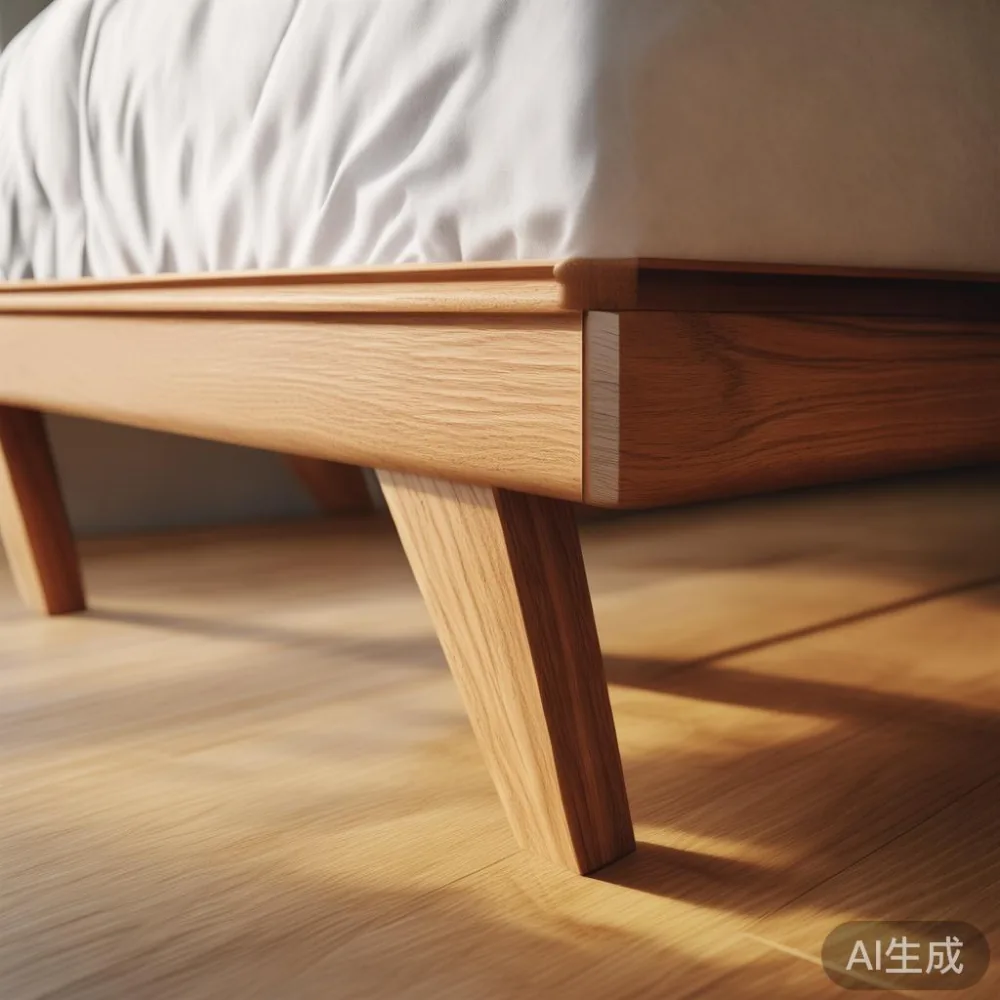
The comparison below uses realistic Singapore figures in SGD over a 5-year ownership period. It focuses on furniture that appears repeatedly in local homes: a solid wood sofa frame, bed frame, dining table, wardrobe, nightstand and occasional marble table. The aim is not to declare one material suitable for every room, but to show what each option may cost after ordinary family use.
For Singapore, the physical setting matters. A Tampines HDB living room may have a compact lift and a common corridor only 1.2–1.4 m wide, while a Punggol condo corridor may offer more room but still impose delivery restrictions. Bedok homes often combine a dining area and living area within one rectangular space. These conditions affect delivery time, packaging, assembly and the likelihood of damage.
How the 5-Year Comparison Was Built
The example assumes one three-seat sofa, one queen bed frame, one four-seat dining table, one wardrobe, one nightstand and one occasional marble table. The initial prices are planning ranges rather than fixed quotations. GST is treated as 9% in Singapore and is shown separately in the examples so that the figures remain easy to audit.
The veneer scenario begins at SGD 4,900 for the sofa, SGD 1,200 for the bed frame, SGD 1,600 for the dining table, SGD 2,200 for the wardrobe, SGD 320 for the nightstand and SGD 2,800 for the marble table. The combined purchase price is SGD 13,020 before GST, or SGD 14,192 after 9% GST.
The solid wood scenario begins at SGD 7,800 for the sofa, SGD 2,600 for the bed frame, SGD 3,800 for the dining table, SGD 4,600 for the wardrobe, SGD 680 for the nightstand and SGD 3,200 for the marble table. The combined purchase price is SGD 22,680 before GST, or SGD 24,721 after GST. The difference is large because the comparison uses different construction levels, not merely different finishes.
For a fairer view of a specific product, compare the same dimensions, joinery, drawer runners, veneer thickness, wood species and finish. A 220 cm sofa with a kiln-dried frame should not be compared with a 200 cm model built mainly from decorative board. Likewise, a 180 cm wardrobe with soft-close hinges should not be compared with a 150 cm unit using basic hinges.
What Does Veneer Cost Over 5 Years?
Veneer is a thin layer of real wood, often around 0.3–0.8 mm, bonded to a panel or engineered timber core. Its appearance can be very controlled across large surfaces, which is useful for a 240 cm dining table or a full-height wardrobe. If the sheet is damaged at an exposed edge, repair depends on matching grain, colour and sheen.
In this example, the veneer furniture group may require SGD 420 in minor repairs over 5 years. That allowance includes SGD 180 for edge repairs, SGD 140 for drawer or door adjustments and SGD 100 for touch-up work. A replacement veneer sheet is assumed to cost SGD 90–160 per panel, while a technician may charge SGD 60–120 for an hour of work.
Maintenance is estimated at SGD 180 over the period: 2 cleaning sessions at SGD 30, 2 furniture-care treatments at SGD 25 and small hardware purchases at SGD 70. The total 5-year cash outlay for veneer is therefore approximately SGD 14,192 plus SGD 420 plus SGD 180, or SGD 14,792. This excludes delivery, but the purchase-price field already assumes normal local access.
Veneer can make sense when the priority is visual consistency. In a Bedok flat, a pale oak dining table may create a Japandi style room without the weight and price of a thick solid timber top. A flat-pack wardrobe may also use less floor space during delivery, although assembled units still need careful handling around corridors and lifts.
Its main risk is edge exposure. Children, moving chairs and frequent table use tend to affect corners and seams. Veneer is not automatically fragile; a well-protected panel with sealed edges can work for years. The cost question is whether local repair is easy and inexpensive when a 5-year-old piece needs attention.
What Does Solid Wood Cost Over 5 Years?
Solid wood uses timber through the visible and structural sections of the piece. The example assumes a sofa frame, not a sofa whose entire body is timber, a queen bed frame weighing about 65 kg, a dining table weighing about 95 kg, a wardrobe weighing about 125 kg and a nightstand weighing about 24 kg. These weights influence delivery and installation more than many buyers expect.
The solid wood group may require SGD 560 in repairs over 5 years. The allowance covers SGD 220 for loose joints and drawer runners, SGD 180 for surface scratches and SGD 160 for hardware changes. Minor sanding and refinishing can be performed locally, but a larger repair may require more time than a veneer touch-up.
Maintenance is estimated at SGD 300 over the period: 2 cleaning sessions at SGD 40, 2 oil or wax treatments at SGD 45 and hardware or care products at SGD 130. The total 5-year cash outlay is therefore approximately SGD 24,721 plus SGD 560 plus SGD 300, or SGD 25,581.
The higher figure includes a material premium at purchase and a modest maintenance reserve. It does not assume that solid wood must be replaced after 5 years. A properly made solid wood bed frame or dining table may remain in service for 10–20 years, provided it is kept away from sustained moisture and moved with reasonable care.
This is where Japanese and Scandinavian restraint can meet French light luxury. A solid wood dining table with softened corners, pale timber and simple hardware can sit comfortably beside a marble table. The aim is not to fill the room with matching objects, but to create a Japandi style composition with enough space for daily life.
Which Option Fits Singapore Delivery Conditions?
Delivery cost is often treated as a small detail, yet a solid wood wardrobe can change the calculation. A local furniture mover may quote SGD 120–260 for a standard HDB delivery, while a bulky or fully assembled wardrobe may cost SGD 280–520 if stairs, a narrow lift or corridor turns are involved. A marble table requires separate protection and may attract an additional SGD 90–180 handling charge.
MIDHILL is a Foshan solid wood furniture maker established in 2008, exporting to more than 15 countries and offering a 10-year structural warranty, lifetime refinishing and free shipping above US$350. Those service terms apply to the supplier’s relevant offer; a Singapore buyer should still confirm the final landed quotation, GST, delivery days and local installation before ordering.
For this comparison, allow 7–14 delivery days for a made-to-order Singapore order after production and dispatch confirmation. A stocked or less customised piece may arrive in 10–21 days depending on consolidation. Deliveries should not be scheduled around a narrow corridor without checking the lift dimensions. A 65 kg bed frame may fit in a standard lift, but a 125 kg wardrobe often needs partial assembly or two handlers.
In a Tampines block, a 1.1 m lift door and a 1.3 m turning corridor can add 30–60 minutes to unloading. A Bedok unit with a 2.2 m corridor is easier, but parking and the lift booking may still matter. In a Punggol condo, the management rules can determine the delivery window, protective floor covering and whether the mover must use a service lift.
How Do Veneer and Solid Wood Handle Daily Use?
Daily use creates predictable wear patterns. A dining table receives hot dishes, water rings, chair movement and occasional impacts. A bed frame receives mattress movement, body weight and repeated contact with the footboard. A wardrobe receives door pulls, hinge loads and clothing friction. A nightstand receives books, a lamp and a glass of water.
Veneer surfaces can be wiped quickly, but damaged edges may expose the core if the protective seal has been broken. A minor scratch on a 0.6 mm veneer may cost SGD 40–90 to repair, while replacing a larger sheet may cost SGD 180–360 including labour. A solid wood surface can be sanded and refinished more readily when the damage is shallow, but deep splits or joint movement may require a workshop visit.
The result depends on construction. A solid wood sofa may use plywood or engineered timber in non-structural panels, while its frame uses timber posts, rails and joints. A solid wood bed frame may have a timber structure and plywood or fabric panels. Ask for the actual material map instead of relying only on the product name.
For a room with frequent eating, choose a surface with a sealed finish and stable edge profile. For a bedroom, consider rounded corners and a headboard that does not project beyond the lift door. For a wardrobe, soft-close hinges and adjustable shelves can reduce long-term inconvenience more than a heavier material specification alone.
Is Veneer More Economical for a Condo?
Veneer may be more economical for a condo when the buyer wants a coordinated appearance across several pieces within a fixed room size. The example group costs SGD 14,192 after GST, compared with SGD 24,721 for the solid wood group. The difference is SGD 10,529 before repairs and maintenance.
After the estimated 5-year maintenance and repair allowances, the difference becomes approximately SGD 10,789. Over 5 years, the veneer example averages SGD 2,958 per year, while the solid wood example averages SGD 5,116 per year. Dividing those figures across 6 furniture pieces gives about SGD 493 per piece per year for veneer and SGD 853 for solid wood.
These averages are useful only as a planning tool. A single marble table may account for a large share of the budget, and the sofa price can vary by more than SGD 3,000 depending on frame timber, cushion density, fabric and dimensions. A small nightstand may cost SGD 280 in veneer or SGD 650 in solid wood, yet it can be replaced more often than a dining table.
Some buyers search for European light luxury with storage when they want the appearance of crafted furniture and concealed organisation in the same piece. That phrase can describe a wardrobe or bed frame brief, but the material, drawer mechanism and internal fittings still need to be checked separately. A storage-heavy design may cost more than the visible wood suggests.
What About European, French and Guest-Room Ideas?
Material choice changes how a design brief is interpreted. European for guest room searches often lead to compact furniture, narrow nightstands, slim wardrobes and a chair that does not obstruct a corridor. A 45 cm wide nightstand may fit beside a 160 cm guest bed, while a 90 cm wardrobe may suit a study corner. European light luxury with storage is particularly relevant to condos where every centimetre is visible.
For sale Vintage furniture can be attractive, but a vintage piece may need inspection for moisture, pests, old finishes and repaired joints. A vintage dining table with a 20-year history may still be usable, but its next 5 years could include SGD 400–900 in restoration. Compare that cost with a new solid wood table before treating vintage as a low-cost shortcut.
For more decorative references, designer French provincial furniture may include curved profiles, carved details, pale finishes and more ornate visual language. That style can work beside Japandi style elements, but it usually requires a different furniture category and careful spacing. A marble table with a carved pedestal may become a focal point in a larger dining room; in a compact HDB flat, a simpler profile may preserve circulation.
A light luxury accent chair can complete a living room without changing the whole furniture plan. Choose a chair with a seat height of 42–46 cm, an width of 58–72 cm and a finish that can tolerate occasional contact. Keep at least 75 cm of clear circulation behind the chair where possible.
How Should You Decide for a Japandi Style Home?
Start with the room’s use, not only its photographs. A family dining table should be measured against the actual dining zone: allow at least 90 cm around a four-seat table where possible, and confirm that a 240 cm table can enter the lift and turn through the corridor. A queen bed frame may be 160 cm wide and 210–220 cm long, while a wardrobe may be 180–240 cm wide and 200–220 cm tall.
For a 5-year cash comparison, veneer may be sensible for a wardrobe where visual continuity and controlled weight are priorities. Solid wood may make more sense for a dining table or bed frame that will be moved less often and used for a longer period. A marble table should be chosen for its visual and practical role, not because its material label automatically creates a premium finish.
Ask the seller for 8 specific answers: veneer thickness, core material, solid wood species, moisture target, finish type, warranty coverage, repair process and delivery packaging. Confirm whether the quoted price includes GST, Singapore delivery, assembly and returns. A 14-day return policy can reduce the risk of a poor fit, but it does not remove the need to measure doors, lifts and corridors.
Some buyers search for the best Japandi wardrobe for 2026, but the strongest choice is the one that fits its measurements, storage needs and maintenance habits. If searching for that phrase, compare internal drawer dimensions and hinge tests with the external finish. Japandi style often works through proportion, calm colour and visible joins; it does not require every item to use the same wood species.
On the numbers used here, veneer costs about SGD 14,792 over 5 years including the stated purchase, repair and maintenance assumptions, while solid wood costs about SGD 25,581. The solid wood route carries a higher initial and ongoing cash requirement, yet may suit buyers who value repairable timber, stable joinery and furniture intended to age. Veneer can suit buyers who want a coordinated japandi style room with a lower initial commitment. The practical decision is the total cost for the room you actually use, measured in centimetres, kilograms, SGD, delivery days and years.