Selecting the Perfect Sofa for Singapore's Living Spaces
A display sofa can be useful for checking style, finish and proportion, but it tells you very little about comfort unless you are allowed to sit on it. For shoppers in Singapore—especially those furnishing HDB flats and condos in Tampines, Bedok or Punggol—the practical questions begin with access, dimensions, support and return terms. A sofa may look restrained in japandi style, yet still be uncomfortable because its seat is too deep, its back angle is too upright or its cushions feel harder than they appear.
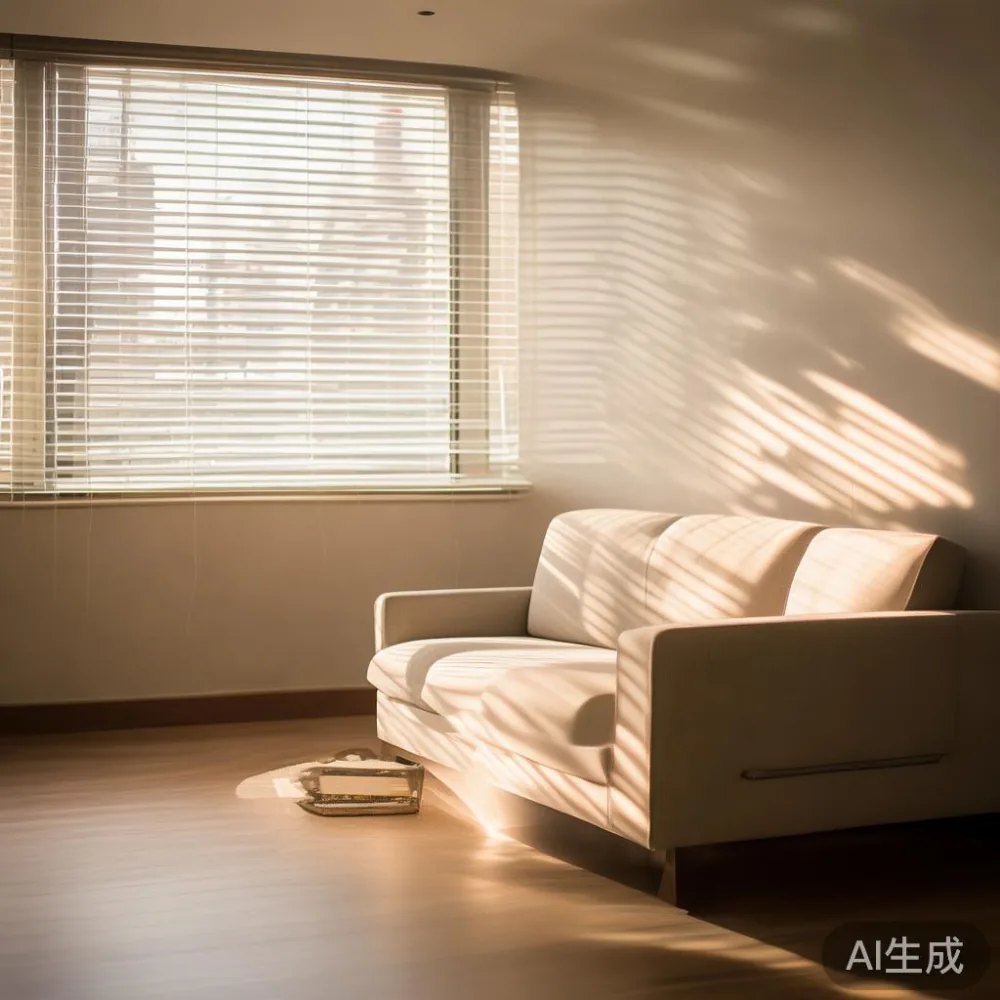
This guide explains how to assess a sofa in a showroom, what measurements to collect and why a non-sitting display is not automatically a poor purchase. It also shows when a solid wood sofa, marble table, bed frame, dining table, wardrobe or nightstand should be coordinated around the same delivery plan. Prices are shown in SGD, with GST treated separately unless stated otherwise.
Can you really try a display sofa before paying?
Yes, but ask before sitting, especially if another customer is using the piece. A proper showroom test should allow at least 3 minutes with the back cushions in their normal position. Do not assume that pressing a seat briefly is enough: foam can settle differently after 10 to 15 minutes of weight.
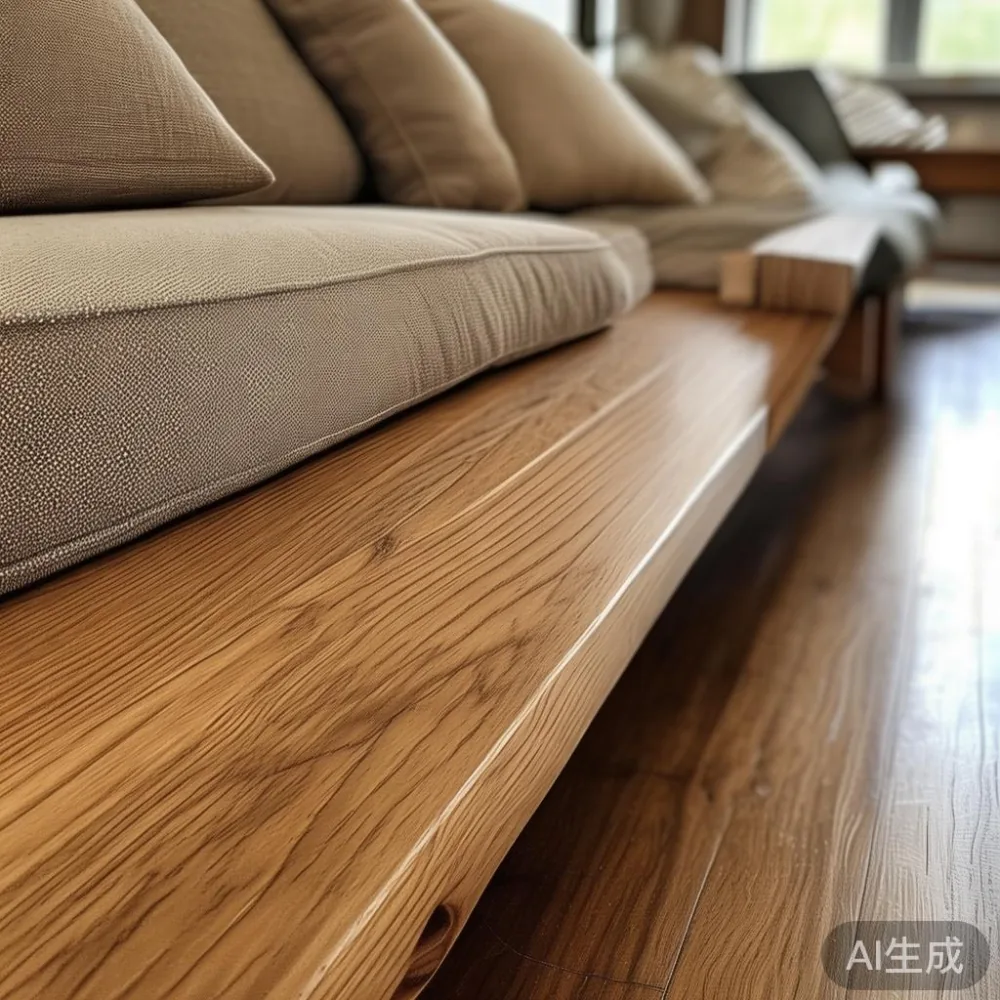
I tested one low-backed solid wood sofa last month at a supplier in Foshan. It appeared elegant against a japandi style wall, but after 12 minutes I could feel the frame edge through the front of the cushion. The supplier then showed me a version with a deeper seat and a lower rear support. That experience changed the way I evaluate showroom pieces: visual restraint is not the same as everyday comfort.
Check whether the display has been used as a prop rather than a test seat. Look for a sales card listing seat height, usable depth, cushion density and frame material. If the card is missing, request written specifications. For example, a seat height of 43 cm may suit an average adult, while 39 cm can make standing up difficult for someone with limited knee strength. A usable depth of 58 cm is often easier than 65 cm for shorter users, provided the back cushions still support the shoulders.
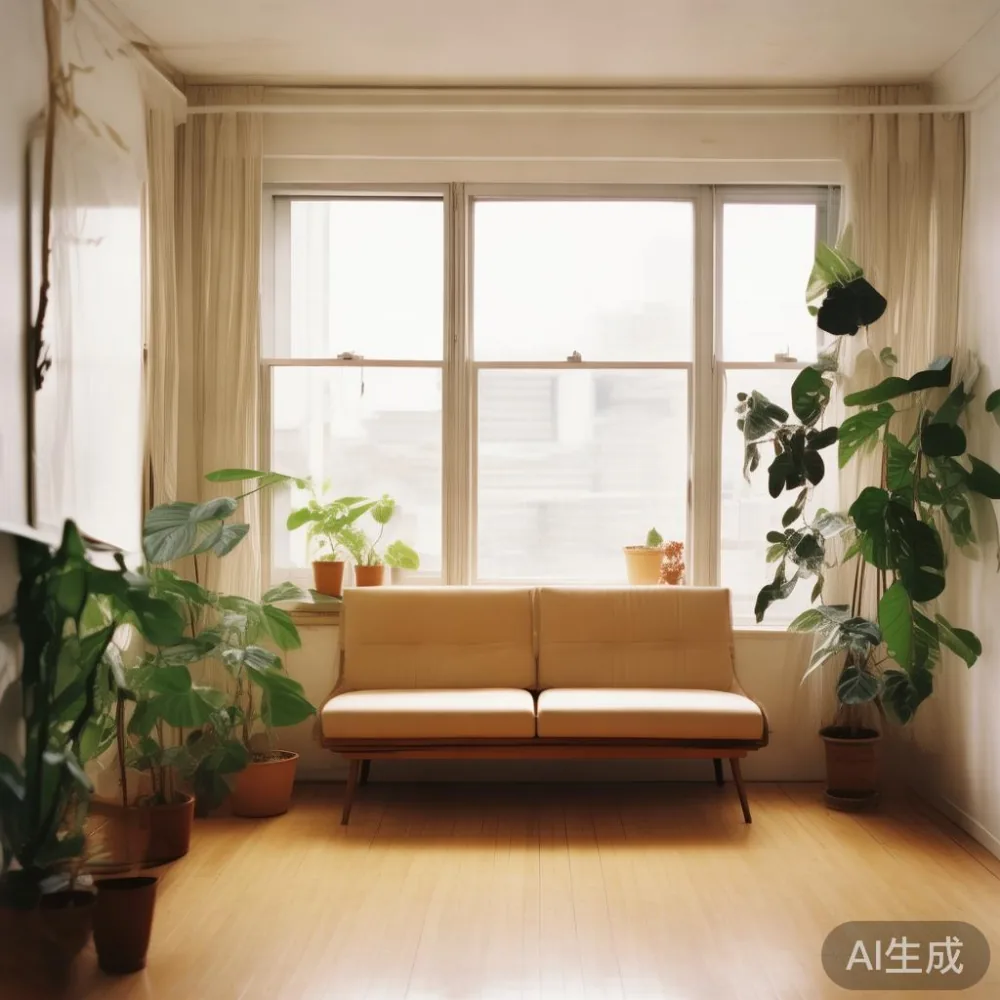
Ask whether you can sit on the actual floor model or whether the seller only permits viewing. If sitting is prohibited, take the model number and photograph the underside, cushions and frame connections. A well-informed purchase should not depend on guessing.
Will the sofa fit through the lift and corridor?
Measure the route before you discuss upholstery. HDB and condo access can vary sharply between blocks. A common HDB internal corridor might be 110 cm wide, but a tight turn can reduce the usable diagonal. Lifts may offer a clear door width of 90 cm and an internal depth of 140 cm, while a larger sofa can still fail at the turn into the flat.
For a two- or three-seat sofa, obtain the packed dimensions rather than relying only on the visible product size. A frame measuring 210 cm wide may arrive in a carton 220 cm long after protective packaging is fitted. Compare that figure with the lift door, lift car and corridor turn. At 350 SGD or more, delivery is often included, but inclusion does not guarantee that a bulky item will pass every obstacle.
Remove or note any balcony door that must open fully. A 75 cm door opening is narrower than many standard sofa frames, and a rigid three-seat design may need to be assembled outside the unit. For corner homes or refurbished flats, ask whether the sofa can separate into 2 modules. Two modules of 95 cm and 90 cm may be easier to manoeuvre than one 185 cm section, although the connection must still lock securely.
Protect the route as well as the furniture. Specify cardboard corner guards, blankets and a clear delivery window. For stairs, request a quotation based on the number of flights, not a generic “delivery fee.”
What should I check inside the sofa?
Start with the frame. Kiln-dried hardwood, solid wood sofa construction and well-spaced joints matter more than a decorative wooden base. Look for visible screws or dowels at load points, then check whether the frame is glued, joined or simply pinned together. If the seller says “solid wood” but shows only veneer or fibreboard panels, ask for a material breakdown.
Next, examine the suspension. Sinuous springs can provide a different feel from webbing, while foam over a firm deck may suit a firmer preference. Sit near the middle, then nearer the front and back. Listen for creaking after moving your weight 3 times. Check that the arms do not wobble and that the back remains stable when you lean at a 15-degree angle.
Cushion recovery is a practical test. Press both hands into the seat for 10 seconds, release them and watch how long the foam takes to regain its shape. A slight temporary impression is normal; a collapse that remains after 30 seconds deserves an explanation. Ask for the foam density and whether the cushion cover can be removed for cleaning.
For a japandi style living room, a firm rectangular profile may work well, but a very deep chaise can dominate a compact room. Measure the coffee table and walking clearance too. Leave at least 75 cm between the front of the sofa and a frequently used walkway, or about 90 cm if a marble table is in the same area.
How do showroom finishes translate into a home?
Lighting changes timber colour and fabric texture. A pale oak finish can look warm under a Singapore home’s warm-white bulbs and much cooler under cool-white LEDs. Take photographs in daylight and under the lights you normally use. For japandi style, compare the sofa with your flooring, curtains and side furniture rather than judging it against a staged room.
Solid wood surfaces need care in humid conditions. Ask whether the finish is water-based, how many coats were applied and what cleaning product is approved. A matte lacquer should not be confused with untreated timber; one may wipe more easily, while another may show water marks. Test an inconspicuous area only with the seller’s permission.
Fabrics should suit a household with pets, children or frequent cooking. A tightly woven option may resist a spill better than a loose bouclé, but no fabric is spill-proof. Request a composition, for example 60 percent cotton and 40 percent polyester, and ask whether cleaning covers are available. Dark shades can hide everyday marks, yet they may show lint differently than pale fabrics.
American light luxury often favours generous proportions and plush upholstery, while French light luxury tends to use finer details, curved forms or refined textiles. Post-modern light luxury can combine clean lines with a warmer material palette. If those styles are being compared, sit on every candidate and ignore the trend label until comfort is confirmed.
What do light-luxury labels actually mean?
A label does not guarantee construction quality, but it can indicate a design direction. For buyers searching for for sale Modern light luxury furniture, look for measurable specifications: frame species, joinery, suspension type, foam density, textile composition and warranty length. A polished photograph of a marble table or wardrobe cannot replace a sample drawer or a close inspection of the bed frame joints.
For a bedroom, European light luxury for bedroom may mean pale upholstery, carved timber or carefully spaced storage. To choose European bed, compare the external dimensions with the HDB bedroom door, the position of the ceiling fan and the clear space needed to make the bed. A queen bed at 160 cm by 200 cm may fit the mattress area but still be awkward to rotate through a 76 cm door.
The comparison light luxury bed vs Japandi bed is not simply about appearance. A Japandi bed usually prioritises a visually quiet frame, natural-looking timber and uncluttered lines; a light-luxury bed may use upholstered panels or decorative detailing. Confirm that the headboard is stable, the centre support is included and the bed can be moved without damaging the floor.
Which matching pieces should you plan before delivery?
Plan the sofa against the room’s storage and table heights before selecting loose furniture. A marble table may provide a cool contrast to a solid wood sofa, but its sharp edges and heavier weight require careful placement. Ask whether the marble top is real stone, how it is packaged and whether a separate lift-in charge applies.
A dining table should be measured around the dining zone, not simply against the showroom photograph. Allow about 90 cm behind each chair where possible. For a compact flat, a dining table with a 140 cm length may suit 4 people, while an 80 cm round option can improve circulation but reduce serving space. If you are comparing models, search for MIDHILL dining table information and compare dimensions, finish samples and delivery scope.
A wardrobe needs door-swing clearance, while a nightstand needs to fit beside the bed without blocking a socket. Confirm whether delivery includes carrying to the bedroom, unboxing and assembly. These details are often more useful than a small change in decorative styling.
Can I ask for a trial, return and warranty?
Ask for the return period, the condition required for return and who pays for collection. A 14-day return policy is useful only if the sofa has not been slept on, damaged or exposed to smoke. Confirm whether a used showroom piece is eligible, because a floor model may have been treated differently from a new order.
Check the warranty wording. A 10-year structural warranty can be meaningful for the frame, but upholstery, foam and finish may have separate terms. Ask what happens if a spring fails, the arm develops looseness or the finish peels. Photograph the delivery condition immediately and keep the receipt.
Singapore shoppers should also confirm GST treatment. If a quoted price is SGD 2,800 before GST, the invoice should explain the tax line clearly. Delivery over US$350 may be part of an international offer, but local delivery in Singapore should still be confirmed in SGD terms.
What should I ask before signing?
Use a short checklist with the salesperson. Ask: What is the exact frame material? What are the packed dimensions? Can the sofa split into modules? What is the seat height and usable depth? How dense is the foam? Which cushions are included? Who carries it upstairs? Is the return collection charge stated?
If the sofa cannot be sat on, request a comfort comparison with a model you can test, or request a sample of the seat fill. Do not accept a vague statement such as “comfortable for most people.” Measurements and recovery behaviour give you more information than that phrase.
Finally, view the room before delivery day. Tape the sofa footprint on the floor with painter’s tape, mark the walking route, and check the lift with the packed dimensions in hand. A japandi style sofa can make a compact flat feel calmer, but only when its proportions, access plan and physical comfort all agree.