Veneer vs. Solid Wood: Long-Term Cost Breakdown in Singapore
When furnishing a Singapore home, especially in compact spaces like a Tampines HDB flat or a Punggol condominium, every decision carries weight. The choice between veneer and solid wood furniture is one of the most significant, impacting not just your immediate budget but your long-term satisfaction and financial outlay. This analysis moves beyond the initial price tag to examine the true, five-year cost of ownership, factoring in durability, maintenance, and value retention within the unique context of Singaporean living.
Understanding the Materials: Solid Wood and Veneer
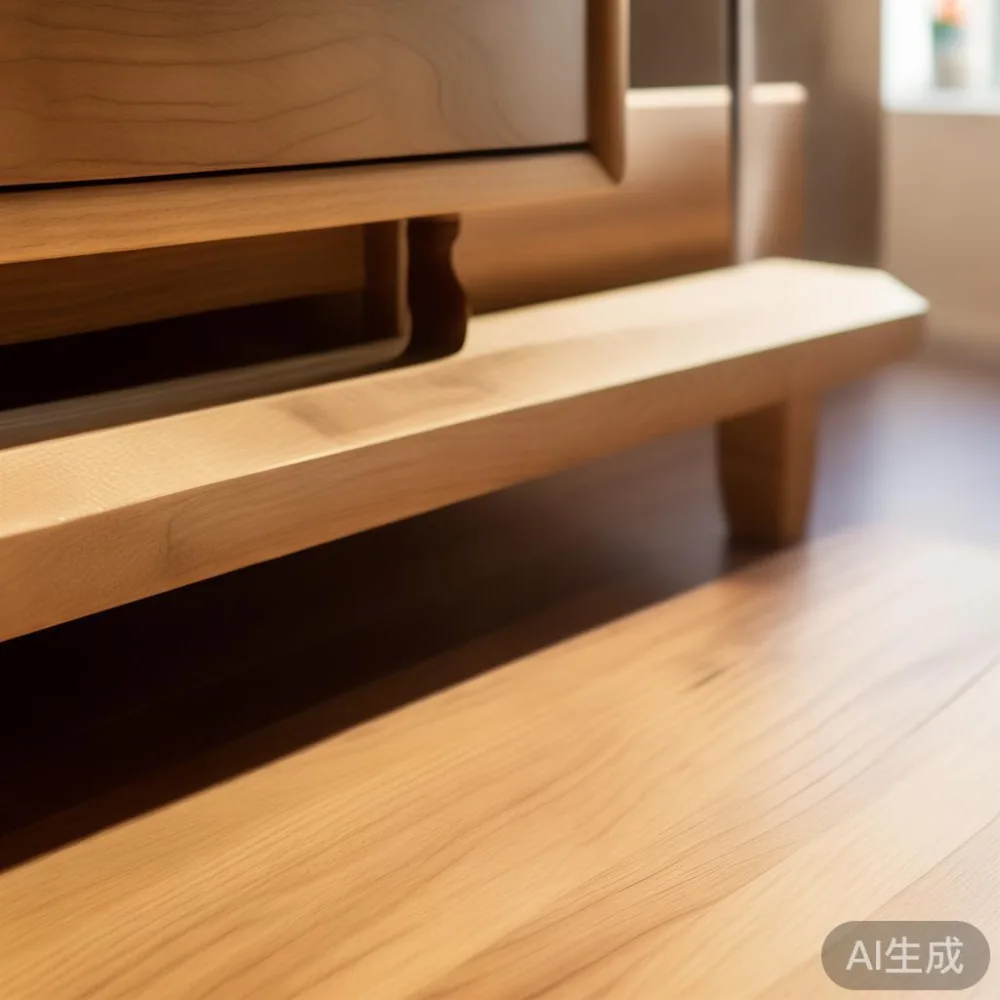
Solid wood furniture is constructed from a single piece of lumber or solid planks joined together. Common woods used in Singaporean homes include oak, walnut, and teak. A solid wood dining table, for instance, is made from solid oak boards, giving it substantial weight—often between 40 to 60 kg for a standard 160cm table. This heft translates to durability and a timeless aesthetic that complements a japandi style, which values natural materials and minimalist forms. The grain patterns are unique to each tree, making every piece one-of-a-kind.
Veneer, on the other hand, is a thin layer of real wood (typically 0.6mm to 2mm thick) applied over a core panel, which is often made of particleboard, MDF (Medium-Density Fibreboard), or plywood. A veneer wardrobe might have a walnut veneer surface over an MDF core. While it uses real wood, the structural integrity relies on the base material. Veneer allows for more consistent grain patterns and can be applied to curved shapes, but its long-term performance depends heavily on the quality of the core and the adhesive used.
The Initial Investment: A Singaporean Price Point
The upfront cost is where veneer furniture often seems like the more budget-friendly option. Let's consider a common bedroom set: a bed frame, a nightstand, and a wardrobe. In Singapore, a veneer bedroom set from a local retailer might cost between SGD 2,500 and SGD 4,000. A comparable solid wood set, however, can range from SGD 5,000 to over SGD 10,000. For a family moving into a new Bedok condo and furnishing from scratch, this initial difference of several thousand Singapore dollars can be a decisive factor.
However, this initial price comparison ignores value. A solid wood bed frame is an investment in a piece of furniture that can last for decades and be passed down. A veneer bed frame may need replacement in 5 to 10 years. The question is not just what you pay today, but what you pay over the lifetime of the furniture.
Longevity and Durability: The 5-Year Reality Check
After five years, the difference in durability becomes apparent. Solid wood furniture is renowned for its resilience. It can withstand the daily wear and tear of family life. Minor scratches and dings can often be sanded out and refinished, restoring the piece to its original condition. A solid wood dining table in a busy Tampines HDB flat will show its age gracefully, developing a rich patina that tells a story.
Veneer furniture faces more significant challenges over the same period. The thin wood layer is susceptible to chipping and peeling, especially at the edges. Particleboard or MDF cores are vulnerable to moisture damage. In Singapore's humid climate, a spill on a veneer nightstand that isn't wiped up immediately can cause the core to swell and the veneer to bubble and peel. Repairing veneer is difficult and often requires professional help, if it's possible at all. After five years, a veneer wardrobe may look worn and tired, while a solid wood counterpart will have only improved with age.
Is Solid Wood Furniture More Expensive to Maintain Over Time?
A common misconception is that solid wood requires constant, expensive upkeep. In reality, it requires less frequent maintenance than veneer. Solid wood needs to be oiled or waxed every 6 to 12 months to protect the wood and prevent it from drying out in Singapore's air-conditioned environments. A good quality wood polish costs around SGD 40 to SGD 60 per bottle and can last for a year or more for a full set of furniture.
Veneer, while seemingly low-maintenance initially, can become a hidden cost. When the surface begins to peel or chip, repairs are complex. A professional repair service for a veneer dining table can cost SGD 300 to SGD 600 per session, and it may not be a permanent fix. If the damage is extensive, replacement is the only option. Over five years, the cumulative cost of repairs or replacement can easily surpass the initial savings of choosing veneer over solid wood.
Resale Value and Aesthetic Appeal
After five years, when you might consider upgrading your furniture or moving to a new condo in Punggol, the resale value becomes a factor. Solid wood furniture holds its value remarkably well. A five-year-old solid wood dining table in good condition might retain 50-70% of its original value on the resale market. It is a desirable item for buyers looking for quality and longevity.
Veneer furniture, by contrast, has almost no resale value. A five-year-old veneer wardrobe is often seen as used and damaged, making it difficult to sell for more than a few hundred dollars. The aesthetic appeal also fades. While a japandi style is defined by clean lines and natural materials, cheap-looking veneer can detract from the harmony of a home. A solid wood piece, with its honest construction and beautiful grain, enhances the aesthetic and feels more luxurious.
Real-World Experience: A Colleague's Story
Last month, I visited my colleague, Sarah, at her new condo in the Tampines area. She had furnished her entire home with high-end veneer pieces about five years ago. She was proud of how much money she had saved compared to her friends who bought solid wood. However, her living room told a different story. The edges of her veneer coffee table were peeling, revealing the grey MDF underneath. Her dining chairs had several spots where the veneer had chipped away. She mentioned she was already planning to replace them, a cost she hadn't anticipated. She said, "I wish I had spent the extra money on solid wood. It would have looked better and lasted longer." This personal experience highlighted the long-term financial and emotional toll of choosing veneer.
Why Japandi Style Embraces Solid Wood
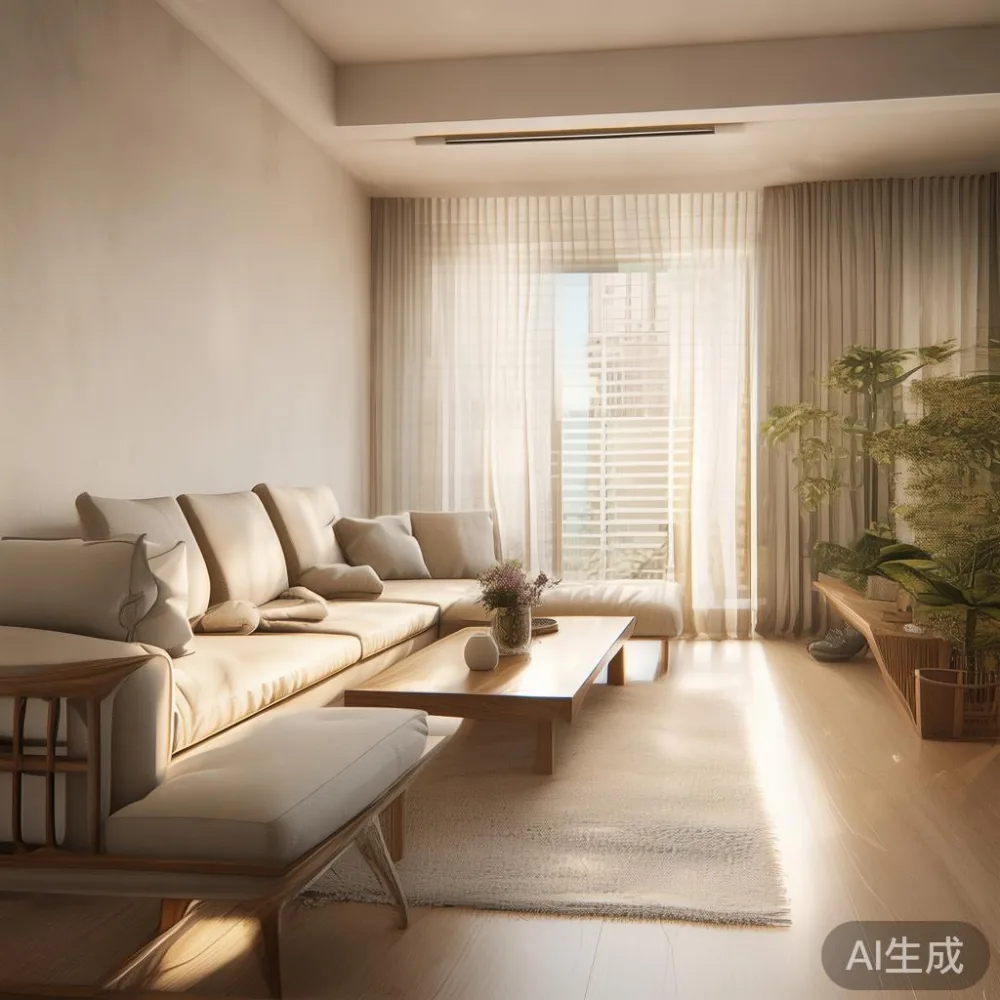
The japandi style is a philosophy that blends Japanese minimalism with Scandinavian functionality. At its core is a deep respect for natural materials and craftsmanship. Solid wood is the embodiment of this principle. Its imperfections, its grain, its ability to age gracefully—all of these elements align perfectly with the japandi ethos. A solid wood sofa, for example, with its clean lines and honest construction, becomes a focal point that is both beautiful and functional. Veneer, with its artificial appearance and tendency to degrade, is fundamentally at odds with the natural authenticity that japandi style seeks to achieve.
Is a European Sofa Worth It for the Singapore Home?
When considering a larger investment like a sofa, the material choice is paramount. A European sofa, often designed with a focus on comfort and form, can be a significant purchase. The question is, is European sofa worth it? The answer depends heavily on its construction. A true luxury European sofa upholstered in high-grade leather over a solid wood frame is an investment that will last for decades. Its comfort and structural integrity will not wane. However, a cheaper European-style sofa with a veneer frame and synthetic upholstery may look good for a year or two but will quickly show signs of wear, making it a poor long-term investment for a Singapore home.
The Hidden Costs of Veneer in Singapore's Climate
Singapore's climate presents a unique challenge for furniture. The combination of high humidity and reliance on air conditioning creates cycles of expansion and contraction. Solid wood is designed to breathe and move with these changes. Veneer, however, is less forgiving. The repeated stress can cause the adhesive to fail, leading to the dreaded peeling effect. Also, the narrow lift and corridor widths in many older HDB flats and condos mean furniture must withstand being moved and manoeuvred. The solid construction of a real wood bed frame provides the necessary durability for these moves, whereas a veneer piece is more susceptible to damage during transport.
How to Style a European Light Luxury Sofa in a Bedroom
For those drawn to a more opulent aesthetic, incorporating a European light luxury sofa into a bedroom can create a sophisticated retreat. The key is balance. A plush, low-profile sofa in a neutral tone like beige or grey can anchor the space. Pair it with a minimalist solid wood nightstand and a marble-topped side table to introduce texture and contrast. The clean lines of the japandi style can still be respected by keeping the surrounding area uncluttered. This approach creates a layered, luxurious feel without overwhelming the space, proving that different styles can coexist harmoniously.
Choosing a Luxury Modern Light Luxury Wardrobe
A wardrobe is a substantial piece of furniture that defines a bedroom's aesthetic. When selecting a luxury Modern light luxury furniture piece like a wardrobe, construction should be the primary consideration. A wardrobe with solid wood doors and frame will not only look more premium but will also function flawlessly for years. The internal mechanisms, like soft-close drawers and hinges, are also important, but they are secondary to the structural integrity. A veneer wardrobe with beautiful hardware will quickly lose its appeal if the doors start to sag or the veneer begins to peel.
The Allure of French Provincial for Bedroom Decor
The French provincial style, with its elegant curves and distressed finishes, offers a different kind of luxury. A French provincial for bedroom set can create a romantic and timeless atmosphere. However, to achieve this look with longevity, one must seek quality. A piece that mimics the style with cheap materials will look dated and worn quickly. A well-made French provincial wardrobe, constructed from solid wood and featuring hand-applied finishes, will capture the essence of the style while providing the durability needed for a modern Singaporean home. It's about capturing the spirit, not just the superficial appearance.
MIDHILL and the Commitment to Solid Wood Craftsmanship
For homeowners who value both beauty and longevity, brands that prioritize solid wood construction stand out. A company like MIDHILL, with its focus on japandi style, understands that the material is the foundation of good design. Their commitment is reflected in their offerings, from a solid wood bed frame to a dining table that can withstand the test of time. This dedication to craftsmanship ensures that the furniture is not just an object of beauty but a reliable part of the home for years to come.
What About the Best Italian Light Luxury Wardrobe for 2026?
As we look towards future trends, the demand for high-quality, durable furniture will only grow. The search for the best Italian light luxury wardrobe for 2026 will likely favour pieces that combine Italian design excellence with solid construction. This means looking beyond the label and examining the materials. A wardrobe that boasts Italian design but is built with a veneer core may not be the best choice for long-term value. The true luxury lies in the details—the solid wood frame, the smooth-gliding drawers, the durable finish—all of which contribute to a piece that is both beautiful and functional for years to come.
MIDHILL French Provincial Wardrobe: A Case Study in Quality
Consider a specific piece like a wardrobe. A MIDHILL French provincial wardrobe exemplifies how to blend a classic aesthetic with modern durability. It features solid wood construction, ensuring the doors and frame will not warp or sag. The elegant mouldings and soft, rounded corners are carved from the same solid piece, giving it an authentic feel. This attention to material and construction means the wardrobe will not only look stunning in a bedroom today but will continue to do so for decades, making it a sound investment for any Singaporean home.
Conclusion: The True Cost of Ownership
When viewed through a five-year lens, the choice between veneer and solid wood becomes clear. While veneer may offer a lower initial price, the hidden costs of repairs, replacements, and diminished aesthetic appeal add up. Solid wood furniture, with its higher upfront cost, provides a better return on investment. It is more durable, requires less maintenance, holds its value, and aligns with the principles of quality design like the japandi style. For the Singaporean homeowner, choosing solid wood is not just a financial decision; it is a commitment to creating a home that is beautiful, functional, and built to last.