The Perfect Fit: Sizing Your Japandi Furniture for Singapore HDB Living Rooms
Living in a Singapore Housing and Development Board (HDB) flat presents a unique set of challenges and opportunities for interior design. The spaces are known for their practicality, but they often require a thoughtful approach to furnishing to avoid a cramped or cluttered feel. For those who appreciate the clean lines, natural materials, and serene balance of japandi style, creating a harmonious living room is about more than just aesthetics—it's about precision. This guide will walk you through the process of choosing the right-sized furniture for your HDB living room, with specific measurements and considerations tailored to the Singaporean context.
Understanding Your HDB Living Room Dimensions
The first step in choosing the right furniture is to understand the physical space you're working with. Standard HDB flat sizes vary, but the most common layouts for a 4-room or 5-room flat feature a living room of approximately 4.8 metres by 4.2 metres (or 480cm x 420cm). This translates to a floor area of about 20.16 square metres. It's important to measure your own space accurately, as layouts in estates like Tampines, Bedok, and Punggol can have subtle differences. Don't forget to account for architectural features like pillars, recesses, and windows, as these will impact where you can place larger items like a solid wood sofa or a dining table.
When measuring, consider the flow of movement. A comfortable walking path around your furniture should be at least 60cm wide. This ensures the room doesn't feel like an obstacle course. Also, factor in the width of your corridor and lift if you are moving furniture in. In older estates, corridors can be as narrow as 120cm, which will determine the maximum dimensions of your sofa or dining table that can be maneuvered during delivery. A colleague of mine recently discovered this the hard way when a beautiful 220cm-long sofa arrived, only to find it was too wide to fit through the corridor of his Bedok unit. The delivery team had to disassemble it, a process that added 2 hours to the installation time and cost an extra SGD 150 in labour fees.
How to Choose the Right Size for a Solid Wood Sofa?
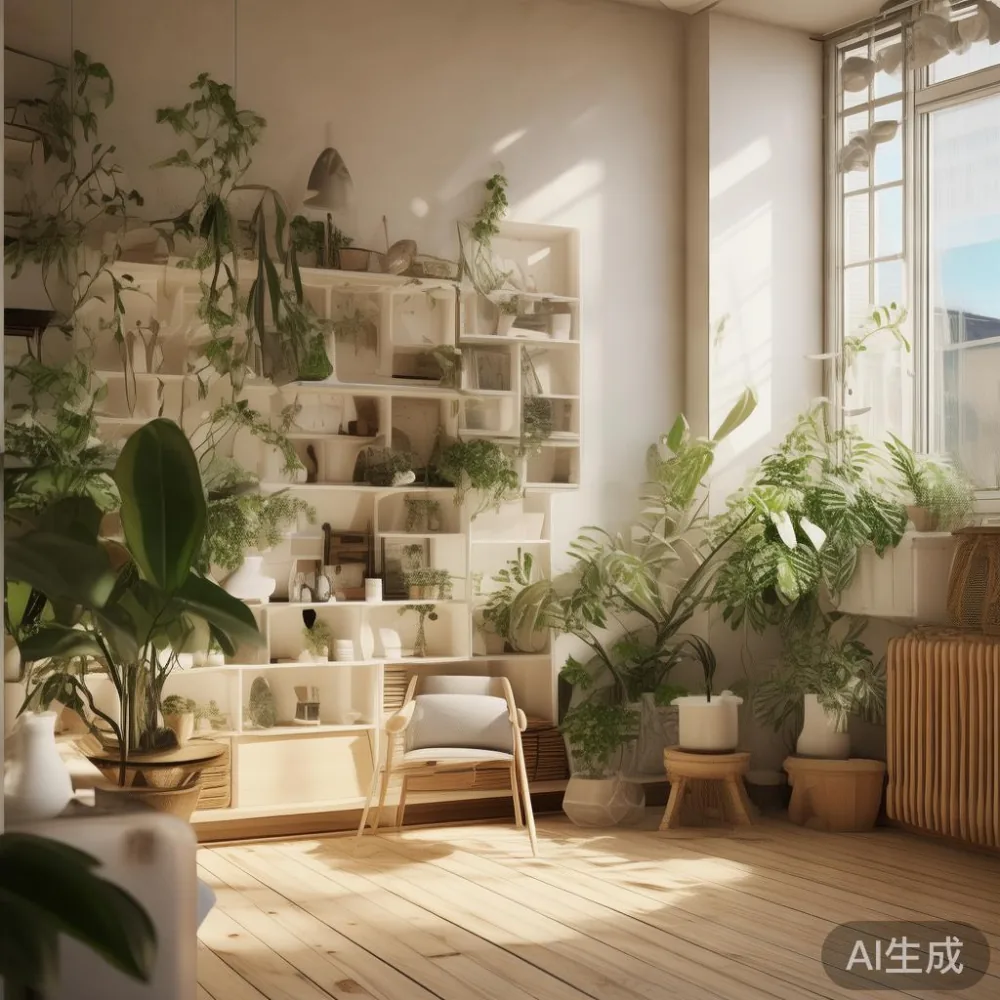
The sofa is often the anchor of the living room, setting the tone for the entire space. In a japandi-style home, a solid wood sofa is an excellent choice, offering both durability and a connection to nature. The key is to find a size that fits your room without overwhelming it. For a typical HDB living room of 480cm x 420cm, a sofa measuring between 200cm and 240cm in length is a good starting point. This provides ample seating for a family of four or five without consuming too much floor space.
The depth of the sofa is equally important. A depth of 85cm to 95cm is standard, but consider the depth of your coffee table in relation to it. The coffee table should be about 10-15cm lower than the sofa seat and leave a 40-50cm gap between the two for easy access. A marble table with a simple, clean base is a perfect japandi complement to a solid wood sofa, adding a touch of light luxury without disrupting the minimalist aesthetic. When considering a how to choose light luxury sofa guide, remember that in Singapore, the material and construction are paramount. A well-made sofa can cost anywhere from SGD 2,500 to SGD 5,000, and with the 9% Goods and Services Tax (GST), this is a significant investment. A sofa from a brand like MIDHILL, which offers a 10-year structural warranty, provides peace of mind for such a purchase.
What is the Ideal Coffee Table and TV Unit Size?
Once your sofa is placed, you can determine the size of your coffee table. The general rule is that the coffee table should be about two-thirds the length of your sofa. For a 220cm sofa, a coffee table around 140cm to 150cm long would be proportionate. The height should be between 40cm and 45cm to allow for comfortable use while seated. A marble table top, with its cool, smooth surface, aligns perfectly with the japandi principle of mixing textures. The base can be made of solid wood to maintain the natural theme.
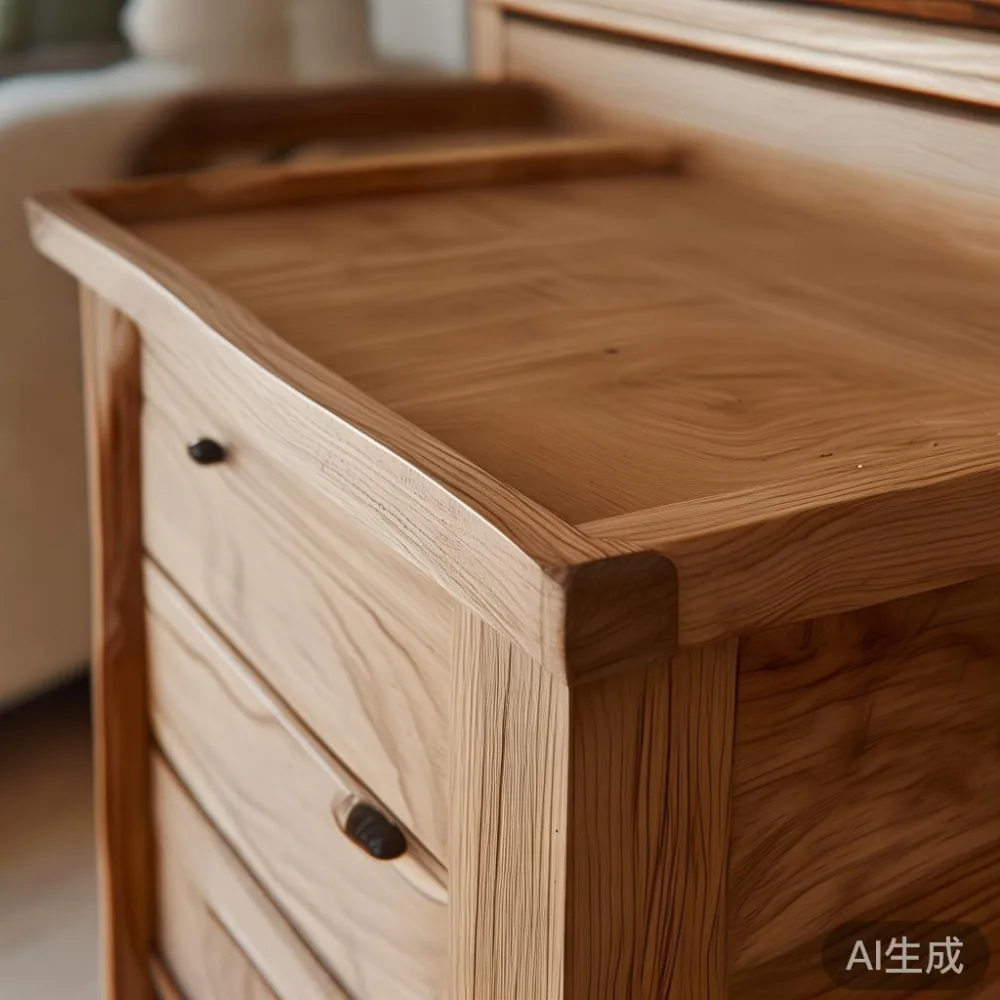
For the TV unit, the width should match or be slightly wider than the television itself to create a balanced look. A common mistake is to choose a TV unit that is too large, which can dominate the room. A unit that is 160cm wide is suitable for a 65-inch TV. Ensure the unit is not too deep, as it can protrude too far into the room and obstruct the walking path. In a japandi style, the TV unit should have clean lines and a minimalist design, often made from light-coloured woods like oak or ash to keep the feeling airy and open.
How Does Japandi Style Influence Your Furniture Choices?
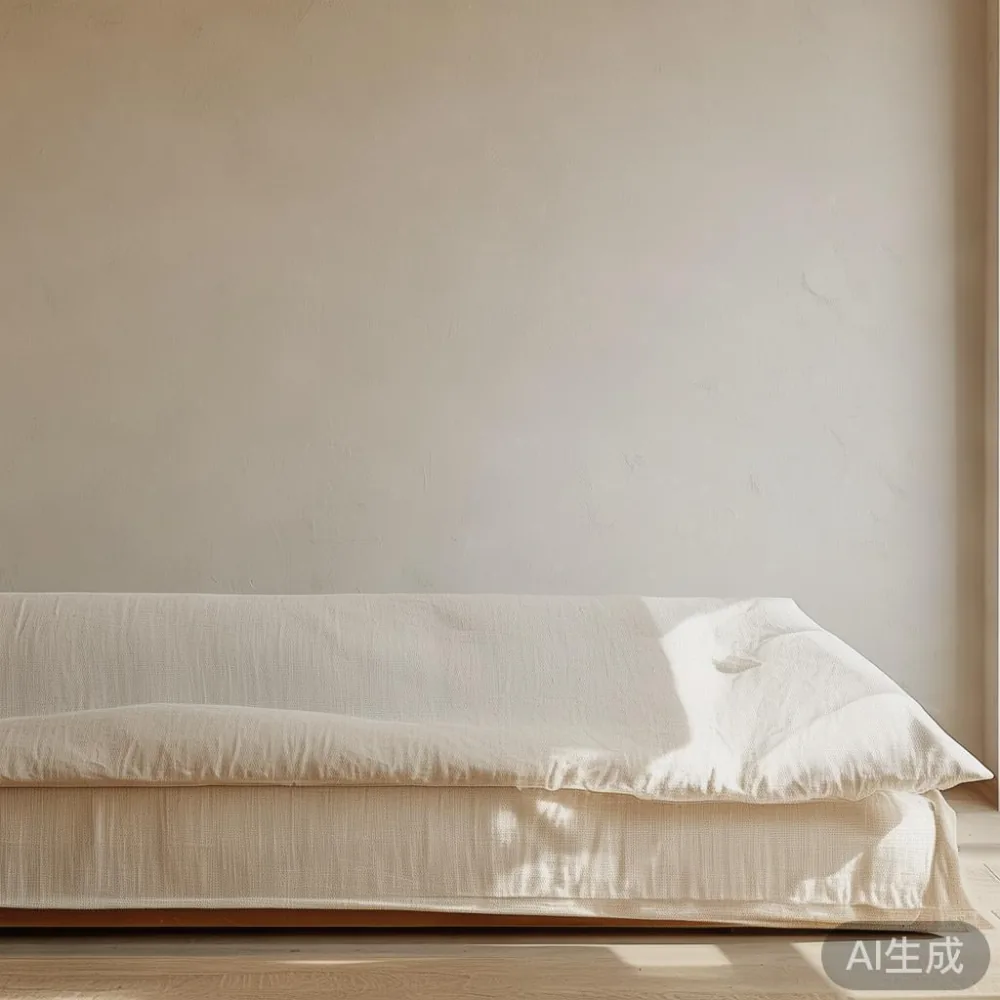
Japandi style is a beautiful fusion of Japanese minimalism and Scandinavian functionality. It emphasizes simplicity, natural materials, and a neutral colour palette. This philosophy directly influences your furniture choices. For example, a solid wood sofa in a japandi home would likely feature a low-profile design with straight, simple lines and upholstery in muted tones like beige, grey, or off-white. The focus is on the quality of the wood and the craftsmanship, rather than ornate details.
This extends to other pieces as well. A light luxury for dining room setup in a japandi-inspired home might feature a dining table with slender, tapered legs and a marble top, paired with chairs that have woven rattan seats or simple wooden frames. The goal is to create a sense of calm and order. The European for dining room aesthetic often shares this love for clean lines and high-quality materials, making it a natural fit. When selecting furniture, look for pieces that embody these principles. A post-modern light luxury wardrobe, for instance, might feature a handle-less push-to-open mechanism in a matte finish, combining modern technology with japandi's love for uncluttered surfaces.
What About Dining Furniture in an Open-Concept Living Room?
Many modern HDB flats, especially in new developments like Punggol, feature open-concept layouts where the living room flows directly into the dining area. This presents a wonderful opportunity to create a unified space, but it also requires careful planning to ensure both areas are functional. The key is to create distinct zones without using physical barriers.
For the dining area, a table that seats 6 people is a common choice for Singaporean families. A rectangular table measuring 180cm in length and 90cm in width is ideal. This size provides enough space for each person to have approximately 60cm of width, which is comfortable for dining. The height of the table should be around 75cm to standard dining chairs, which are typically 45cm high. When choosing a where to buy dining table from MIDHILL, consider a design that complements your living room sofa. A solid wood dining table with a light oak finish would harmonize beautifully with a darker walnut sofa, creating a balanced and sophisticated look.
Is a French Wardrobe Worth It for Your HDB Bedroom?
While the focus is on the living room, the choice of bedroom furniture is equally important for a cohesive japandi home. The wardrobe is a significant piece, and its size and style can greatly impact the room's feel. A common question homeowners ask is: is French wardrobe worth it for a smaller HDB bedroom? The answer depends on your priorities. French-inspired wardrobes often feature ornate details, glass panels, and a more traditional aesthetic, which may clash with the simplicity of japandi style.
A more suitable choice for a japandi bedroom is a minimalist wardrobe with clean lines. For a standard HDB master bedroom of approximately 4.5m x 3.5m, a wardrobe with a width of 240cm (spanning two walls) is a common configuration. This provides ample hanging and storage space. Look for wardrobes with integrated handles or push-to-open mechanisms to maintain the unbroken lines that are central to japandi design. The material should be a solid wood like teak or ash, finished in a natural stain to enhance the connection to nature.
Light Luxury Furniture: A Smart Investment for Singapore Homes
Light luxury furniture occupies a sweet spot between affordable mass-market pieces and exorbitantly high-end designer goods. It focuses on superior materials, thoughtful design, and excellent craftsmanship at a more accessible price point. For Singaporeans living in HDB flats, this category is particularly appealing. It allows for the creation of a sophisticated, well-designed home without the need for a massive budget.
When considering an Italian light luxury with storage option for your living room, you are looking at pieces that combine Italian design sensibility with practical functionality. This could be a TV console with hidden compartments or a sideboard with ample shelving. For the bedroom, an Italian light luxury for apartment might manifest as a bed frame with an integrated nightstand, saving precious floor space in a compact room. These pieces are designed to be both beautiful and highly functional, a core tenet of japandi living.
The price range for light luxury furniture varies, but a well-made sofa might start from SGD 3,000, while a dining table could be around SGD 2,500. It's important to view this as a long-term investment. A high-quality piece from a reputable manufacturer will last for many years, resisting wear and tear better than cheaper alternatives. For those on a tighter budget, it is possible to find under 2000 Italian light luxury furniture options, though you may need to compromise on size or certain design elements. Always check the warranty; a 10-year structural warranty, as offered by brands with a Foshan factory heritage, is a good indicator of quality and durability.
Practical Tips for Delivery and Assembly in Singapore
Purchasing the perfect furniture is only half the battle; getting it into your HDB flat is the other. Singapore's urban environment presents logistical challenges that require careful planning. Before you place your order, confirm the exact dimensions of your furniture and compare them to the dimensions of your lift and corridor.
Standard HDB lifts are typically 110cm wide by 210cm long. A large sofa or wardrobe will need to fit within these dimensions to be brought up in one piece. If it doesn't, the delivery team will need to disassemble it, which can add significant time and cost to your delivery. It's wise to ask the seller about their disassembly and reassembly process and any associated fees. For example, a complex marble table might require special handling and additional personnel.
When your furniture arrives, have a clear path prepared. Remove any obstacles from the corridor and lift lobby. Ensure someone is home to receive the delivery and to inspect the items for any damage before the team leaves. Most reputable sellers offer a 14-day returns policy, so it's important to check everything carefully during this window. This includes inspecting the finish for scratches, checking the structural integrity of joints, and ensuring all components are present.
Creating Your Japandi Sanctuary: A Final Checklist
As you put the final touches on your living room, use this checklist to ensure everything is in harmony:
- Measure Twice: Double-check all room dimensions, including the height of windows and the placement of power outlets.
- Plan the Flow: Walk through the room with imaginary paths. Ensure there is at least 60cm of clear space around and between furniture pieces.
- Consider Scale: Your furniture should be proportional to the room. A large, overstuffed sofa will overwhelm a small space, while tiny pieces will look lost in a large one.
- Balance Materials: In a japandi style, balance the warmth of solid wood with the coolness of marble or stone. Use textiles like linen or cotton to add softness.
- Think Long-Term: Invest in pieces that you love and that are well-made. A japandi style is timeless, so your furniture should be able to grow with you.
The journey to furnishing your HDB living room in a japandi style is one of thoughtful consideration. It’s about finding the right balance between form and function, beauty and practicality. By understanding your space, choosing furniture with intention, and paying attention to the details of delivery and assembly, you can create a home that is not only stylish but also perfectly suited to the Singaporean way of life.
What is the Best Way to Arrange Furniture in a Long and Narrow HDB Living Room?
Many HDB living rooms, particularly in older flats or specific layouts, can be long and narrow, presenting a unique challenge. The key to arranging furniture in such a space is to break up the length and create distinct functional zones. The most effective strategy is to place the main seating area, centered around your solid wood sofa, not in the middle of the room, but closer to one of the shorter walls. This immediately creates a more intimate and cozy seating area.
Then, use the remaining space to define other areas. For example, you could place a console table against the opposite wall to create a mini-gallery or a drop-zone for keys and mail. If you have an open kitchen, the space between the sofa and the kitchen can be subtly defined with a rug or a low marble table serving as a side table. This zoning trick prevents the room from feeling like a bowling alley and makes it feel more purposeful. Always ensure there is enough walking space, at least 80cm, along the length of the room to avoid a cramped feel.