Japandi Style: Lacquered Furniture Care for Singapore Homes
Singapore’s warmth and humidity can be hard on furniture finishes. In an HDB flat in Tampines, a lacquered dining table may sit within 2 metres of an open kitchen; in a Bedok condo, floor-to-ceiling windows can admit strong afternoon sun. Moisture, heat, salt, spills, and daily hand contact all affect a lacquered surface over time. Good care does not mean keeping furniture indoors under artificial light. It means choosing the right finish, controlling exposure, cleaning gently, and responding quickly when a mark appears.
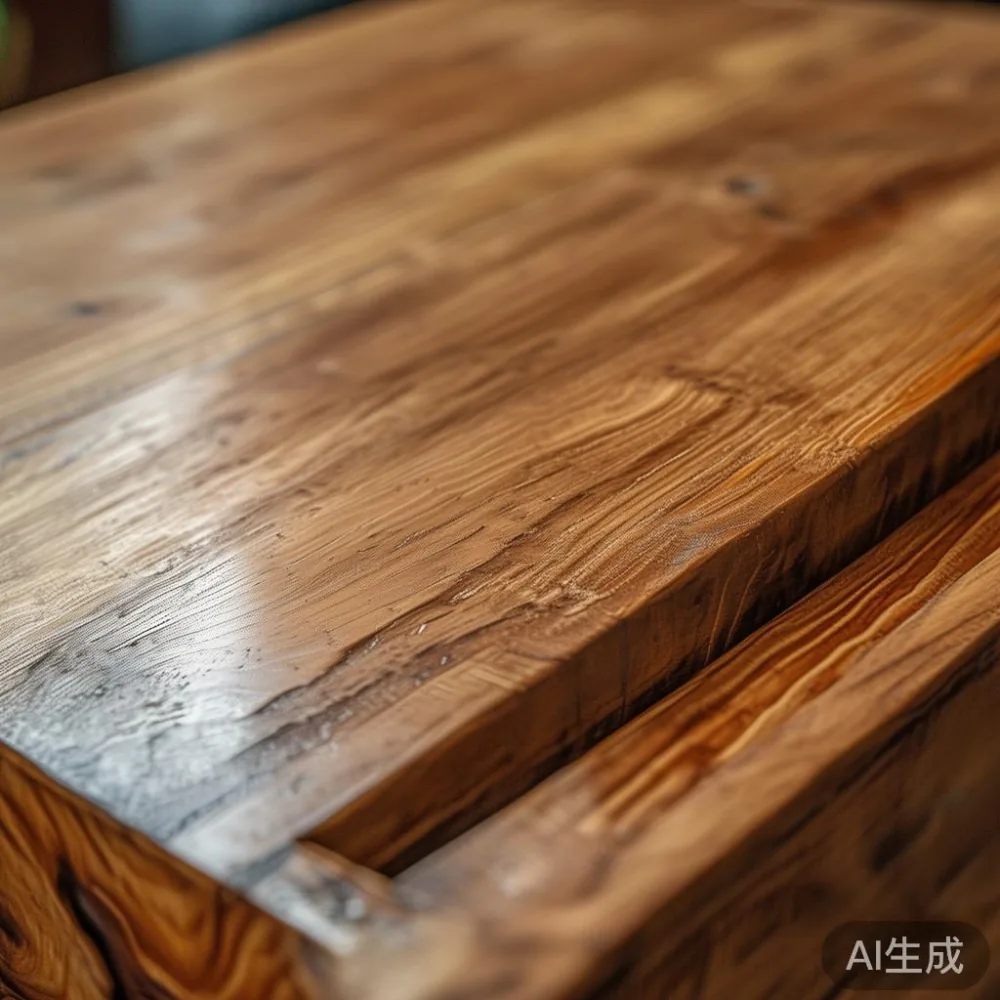
This guide applies to lacquered solid wood furniture in japandi style interiors, including a solid wood sofa, bed frame, dining table, wardrobe, nightstand, or marble table with a lacquered component. Lacquer can give timber a smooth, reflective skin, but it is not maintenance-free. Tropical care is most effective when the habits are built around actual Singapore conditions: approximately 31–34°C daytime temperatures, 70–90% relative humidity, frequent perspiration, and dust mixed with oily food residue.
MIDHILL has built furniture for international buyers since 2008, with a 10-year structural warranty and lifetime refinishing support. Those policies concern long-term ownership, while this article focuses on the surface owner’s daily routine. A 10-year warranty cannot prevent a greasy fingerprint or a water ring, but it can make repair and refinishing easier when care is planned responsibly.

What Is Lacquer, and Why Does Singapore Humidity Matter?
Lacquer is a clear or coloured coating applied over wood and cured to form a hard surface. Depending on the production method, it may be solvent-based, water-based, polyurethane, or conversion varnish. Its exact chemistry matters because cleaners and repair methods that suit one finish can soften or dull another. If the supplier has not identified the coating, treat the piece conservatively and confirm the approved care product before applying anything.
Wood naturally exchanges moisture with the air. A solid wood dining table may expand by roughly 1–3 mm across a 160 cm width when its moisture content changes considerably. Lacquer reduces, rather than removes, that movement. Humidity can also encourage mould around joints, beneath a plinth, or behind a wardrobe panel that sits close to a wall.
A glossy surface shows defects clearly. Fingerprints become visible on a dark lacquered nightstand, while a matte finish tends to conceal light scuffs. Direct sunlight can fade both wood and lacquer over 12–36 months, especially under west-facing windows. Heat from an air-conditioner vent usually dries the air locally and may help limit humidity, but repeated drying and rewetting can cause micro-cracking along the grain.
For a japandi style room, lacquer and pale timber create visual calm. That effect is vulnerable to sticky patches, dusty bloom, and uneven shine. The goal is not a sterile room; it is a surface that remains tactile and comfortable in a lived-in Singapore home.
What Is the Best Humidity Level for a Lacquered Wardrobe?
Keep the relative humidity near the wood product’s recommended range, commonly around 40–65%, and avoid prolonged periods above 70%. A digital hygrometer placed 20–30 cm from a lacquered wardrobe or bed frame gives a useful reading. Check it in the morning and at night for 7 days before deciding whether a dehumidifier is needed.
Many HDB bedrooms lack dedicated dehumidification. A compact unit with a 12–20 L/day rated moisture-removal capacity can help in a typical 10–14 m² room, although actual performance depends on room size, ventilation, and the unit’s operating temperature. Position it so that airflow reaches the furniture without blowing directly at the finish. Leave at least 5 cm behind a wardrobe for inspection and at least 10 cm around a dehumidifier’s intake and outlet.
Do not place a lacquered wardrobe against an exterior wall that remains cold and damp. In a Punggol flat, allow roughly 5–8 cm of ventilation space where the layout permits. For sliding doors, open them for 15–20 minutes after air-conditioning stops so trapped humidity can escape. Refrain from wiping condensation from a wardrobe with a damp cloth; absorb it with a dry microfibre cloth first.
Measuring matters because Singapore’s outdoor readings can be misleading. Air-conditioning may bring a bedroom to 25–27°C, but the cabinet next to a window can still experience rapid surface-temperature changes as rain arrives. Stability over several days is generally more helpful than chasing one perfect number.
How Should I Clean a Lacquered Dining Table?
Begin with a dry, clean microfibre cloth. Dust grit is abrasive, so wiping with grit can create fine scratches that become more visible under evening lights. A soft-bristled brush can remove particles from carved edges or the grooves of a reeded cabinet.
For routine cleaning, use a lightly damp cloth with warm water and 1–2 drops of mild pH-neutral dish detergent per 500 ml. Wring the cloth until no water drips from it. Test the mixture on a 5 cm area hidden behind a table leg for 24 hours, particularly on matte, wire-brushed, or antiqued lacquer.
Wipe in the direction of the grain, then dry with a second clean cloth. Do not flood a lacquered dining table, especially around joints and lacquered metal hardware. Avoid acidic liquids such as vinegar, lemon juice, and cola, and avoid alcohol, ammonia, acetone, nail-polish remover, and household degreaser unless the finish supplier explicitly approves them. Silicone sprays and furniture polishes can leave an oily film that attracts dust and makes future cleaning harder.
Spills require speed, not aggressive scrubbing. Blot rather than rub. For water, use a dry cloth. For coffee with milk, remove the residue with the diluted detergent solution and dry immediately. For oil, place a plain white paper towel over the spot for 10 minutes, lift it carefully, and repeat once if needed. A marble table presents another variable: acidic liquid can etch stone even when the lacquered base seems unaffected. Coasters and mats protect both surfaces.
How Do I Remove Fingerprints and Sticky Marks from a Lacquered Surface?
Fresh fingerprints usually lift with a clean microfibre cloth and a trace of the diluted detergent solution. Work over a 10 cm section and wipe dry immediately. If the mark remains, do not increase the detergent concentration; a stronger solution can haze the finish.
Sticky residue is often sugar, adhesive, or airborne grime rather than lacquer itself. A cloth barely dampened with warm water can be placed over a sticky spot for 2–3 minutes, followed by gentle drying. If the manufacturer permits a solvent, choose one documented for the specific lacquer and test it in a concealed area. Apply less than 1 ml to a cotton swab rather than pouring it onto the furniture.
Never use a razor blade on a lacquered surface. A blade can scratch the coating and expose timber. Soft erasers can also abrade lacquer, while baking soda can leave a dull, gritty residue. If a mark persists, record its size in centimetres and the date, then ask the maker whether spot repair or refinishing is appropriate.
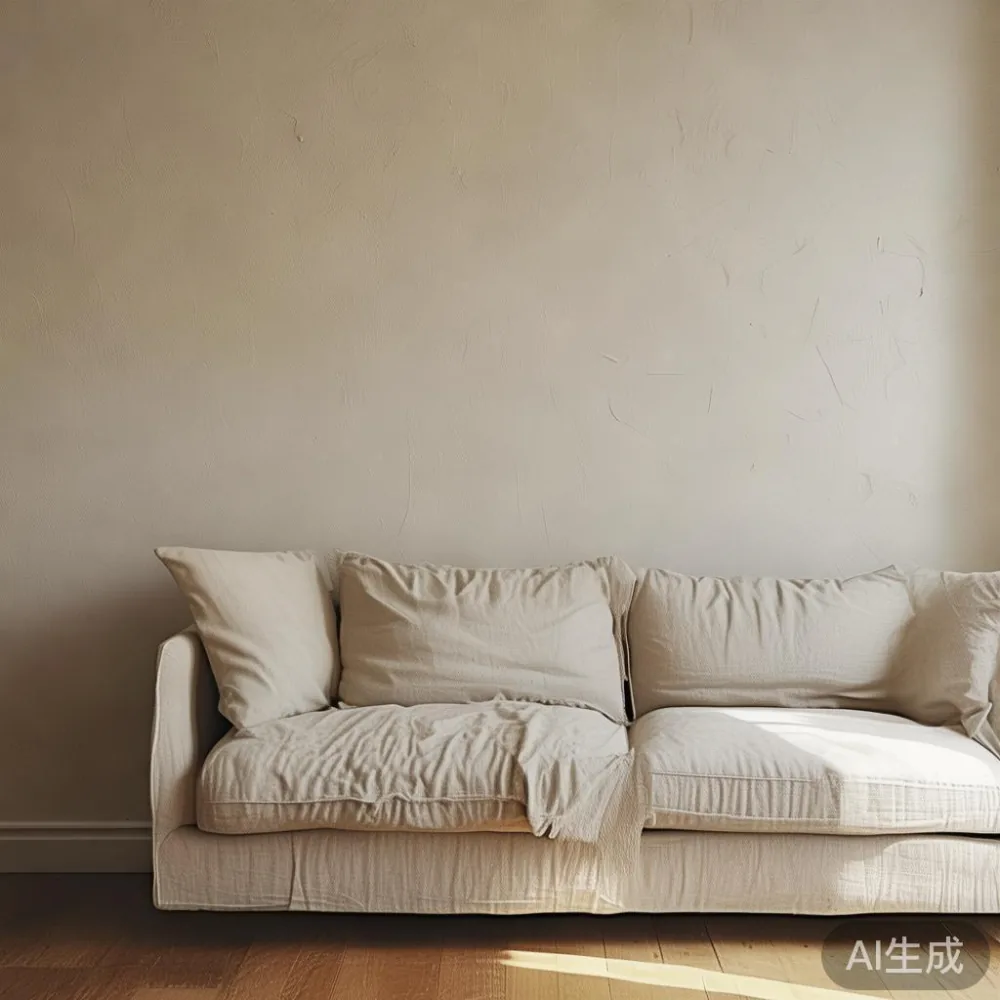
How to style a Japanese sofa in apartment does not involve hiding every sign of use. Low-profile seating in japandi style often uses tactile upholstery and timber frames, while a lacquered side table or media unit provides the reflective counterpoint. Leave 10–15 cm of clear surface around frequently touched objects so cleaning remains practical.
How Often Should Lacquered Furniture Be Wiped Down?
A quick dust wipe every 2–3 days is sensible in a dry, air-conditioned bedroom. In a kitchen-facing dining area, wipe after meals and clean with diluted detergent once a week. For a wardrobe, inspect handles and lower edges every 2 weeks. For a nightstand, check the coaster area before placing a cup or lamp each night.
Seasonal care matters as well. Before the year-end monsoon period, inspect lacquered furniture near windows for condensation. During the 12–20 days of a typical renovation, move pieces away from dust when possible and cover them with breathable material. Ordinary plastic sheeze can trap moisture against wood, so it should not remain in place for more than a few days.
Use coasters measuring at least 5 cm wider than the base of a drink. Felt or cork is preferable to bare paper, and silicone rings can prevent water rings but must be replaced every 6–12 months if compressed. Felt pads under lacquered legs should be 3–5 mm thick; overly soft pads can allow the piece to move and twist.
Check lifting and corridor planning when furniture is delivered. A common HDB lift interior is about 1.1 m wide and 1.4 m deep, while a 4-room flat corridor may narrow to 0.9–1.0 m. A lacquered wardrobe assembled in place reduces handling risk. For a bed frame, measure the doorway, lift, and turning radius before delivery. MIDHILL offers delivery over US$350, while Singapore prices are quoted in SGD; GST is displayed or included according to the checkout terms. Allow 7–14 delivery days after production confirmation.
Can Sunlight and Heat Damage a Lacquered Solid Wood Sofa or Bed Frame?
Yes. UV exposure can fade pigment and amber the clear coat, while repeated heating can make lacquer less pliable. Keep lacquered timber at least 60 cm from windows where curtains allow, and use UV-filtering curtains with a visible light transmittance below 10% if fading has been observed. A sheer layer alone may not provide enough protection against direct afternoon sun.
Do not use a lacquered surface as a temporary ironing board, hot-landing area, or kitchen worktop. A cup of tea at 60°C can leave a ring if it sits on a cool finish. A table lamp should also have clearance; a 25–40 cm gap is safer than pressing the shade or stem against the lacquer.
For coastal for dining room styling, pale timber, off-white walls, woven textures, and restrained blue or sand accents suit Singapore’s humidity and light. Keep furniture away from a balcony door that remains damp, and wipe salt deposits from nearby metal fittings with a lightly damp cloth. Salt can etch lacquer if it remains on the surface. Although the room may feel relaxed, food preparation and wet plants should stay off the dining table.
A French light luxury direction uses curved silhouettes, refined proportions, and a mix of upholstery, pale timber, and metal. An American light luxury room may place lacquered forms beside broader upholstered volumes. In either case, the finish benefits from restraint. One side table, console, or lacquer-fronted nightstand can deliver polish without making the room difficult to maintain.
How Do I Repair Scratches, Peeling, or Cloudiness?
Start by distinguishing surface marks from coating failure. A scratch that does not catch a fingernail may respond to manufacturer-approved polish. A mark that feels raised, peels at an edge, or exposes raw timber needs professional attention. Cloudiness that appears after using an unapproved cleaner may be reversible through refinishing, but sanding without knowing the coating system can create uneven gloss.
For minor marks, use only a product approved for the exact lacquer. Apply a rice-grain amount to a soft cloth, test at least 10 cm from a visible edge, and rub for no more than 10 seconds. Check under daylight and a neutral lamp before treating the whole panel. Stop if the area becomes glossy while the surrounding finish stays matte.
For chips larger than 5 mm, bubbling, or peeling, do not fill them with household wax. Photograph the area from 20 cm and 100 cm, measure the affected section, and record the finish colour under daylight. This information helps a repairer match sheen and pigment. MIDHILL’s lifetime refinishing service is relevant here because refinishing can restore a lacquered panel more reliably than repeated chemical treatments.
How to style a French sofa in room often means preserving the visual focus of the upholstery with a lacquered coffee table or console. Likewise, how to style light luxury wardrobe in room depends on keeping hardware and reflective doors visually calm. Avoid a waxed finish on a wardrobe handle that is touched daily; fingerprints will quickly interrupt the effect.
What Should I Do Before Moving Lacquered Furniture?
Move pieces by lifting them from the base rather than pushing them across tile. Dragging can twist a bed frame and damage lacquered feet. For a lacquered dining table, remove loose objects, support the frame from underneath, and use at least 2 people for a table weighing more than 35 kg. A 200 cm table may weigh 65–95 kg depending on its timber and construction.
Protect corners with 3–5 mm foam or moving blankets, never directly with adhesive tape. Secure doors and drawers with soft straps. If a piece must travel through a narrow corridor, measure the diagonal clearance and plan the turning path before lifting. The lift doors of many older HDB blocks open to about 90 cm, while the cab may measure 100–110 cm deep, so angle planning can prevent an avoidable scratch.
For a new japandi style purchase, ask for the finish name, cleaning instructions, and approved care products in writing. Keep the care card with the receipt. Warranty documents should include the purchase date, finish specification, and any variation in natural timber colour. Solid wood may develop slight tonal differences over 6–12 months as it adjusts to the room, which is not automatically a lacquer defect.
How Can I Make Lacquer Care Routine in a Humid Home?
Create a small care station with 2 clean microfibre cloths, a soft brush, a pH-neutral detergent, a hygrometer, and a coaster set. Keep household chemicals in the kitchen or utility area rather than beside the furniture. A cloth used for the dining table should not be used on a wardrobe; trapped grit and grease can scratch the finish.
Set a weekly 15-minute inspection for 8 weeks. Look under windows, around handles, beneath table edges, and behind pieces that sit near walls. Record humidity, surface marks, and photos. If the lacquer remains sound, continue the routine. If peeling or cloudiness develops, stop using generic polish and arrange a finish assessment.
Budget for ownership beyond delivery. A hygrometer may cost SGD 25–60, coasters SGD 15–40, and a compact dehumidifier roughly SGD 250–500 depending on capacity. Replacement felt pads often cost SGD 3–10 per set. A full refinishing project can cost more, but early care limits the area that needs attention. Singapore’s 9% GST applies to taxable purchases and services unless a specific offer is stated as GST-inclusive.
Cheap European light luxury furniture is not defined by a decorative label alone. Look for stable joinery, balanced proportions, clear finish information, and realistic after-sales support. MIDHILL’s 10-year structural warranty, 14-day return window, and 15-plus export markets suggest an international manufacturing background, while its origins in Foshan furniture provide practical knowledge of timber production. The showroom decision should still include close inspection of lacquer sheen, drawer movement, corner protection, and the clarity of care guidance.
Good lacquer care in Singapore is a rhythm of small actions: dry dust every 2–3 days, clean spills within 10 minutes, watch humidity every week, protect against direct sun, and avoid unapproved chemicals. Done consistently, a lacquered surface can retain its depth and reflective character through heat, rain, and daily family use for many years.