The Art of Matching Furniture to a Warm Minimalist Interior in Singapore
In the context of Singapore's urban living, from the compact 4-room HDB flats in Tampines to the more expansive layouts of newer condominiums in Punggol, creating a home that feels both spacious and inviting is a common design challenge. The solution often lies in a balanced approach: minimalist principles for clean lines and uncluttered spaces, married with the warmth of natural materials and textures. This philosophy finds its perfect expression in the Japandi style, a design movement that artfully blends Japanese minimalism with Scandinavian hygge. For homeowners in Singapore, this style offers a practical and aesthetically pleasing way to work through the realities of our living spaces, including standard lift dimensions (approximately 110cm x 210cm) and corridor widths in older estates. This article explores how to curate a warm minimalist interior through thoughtful furniture choices, focusing on materials, scale, and the harmony that defines Japandi style.
Understanding the Core Principles of a Warm Minimalist Interior
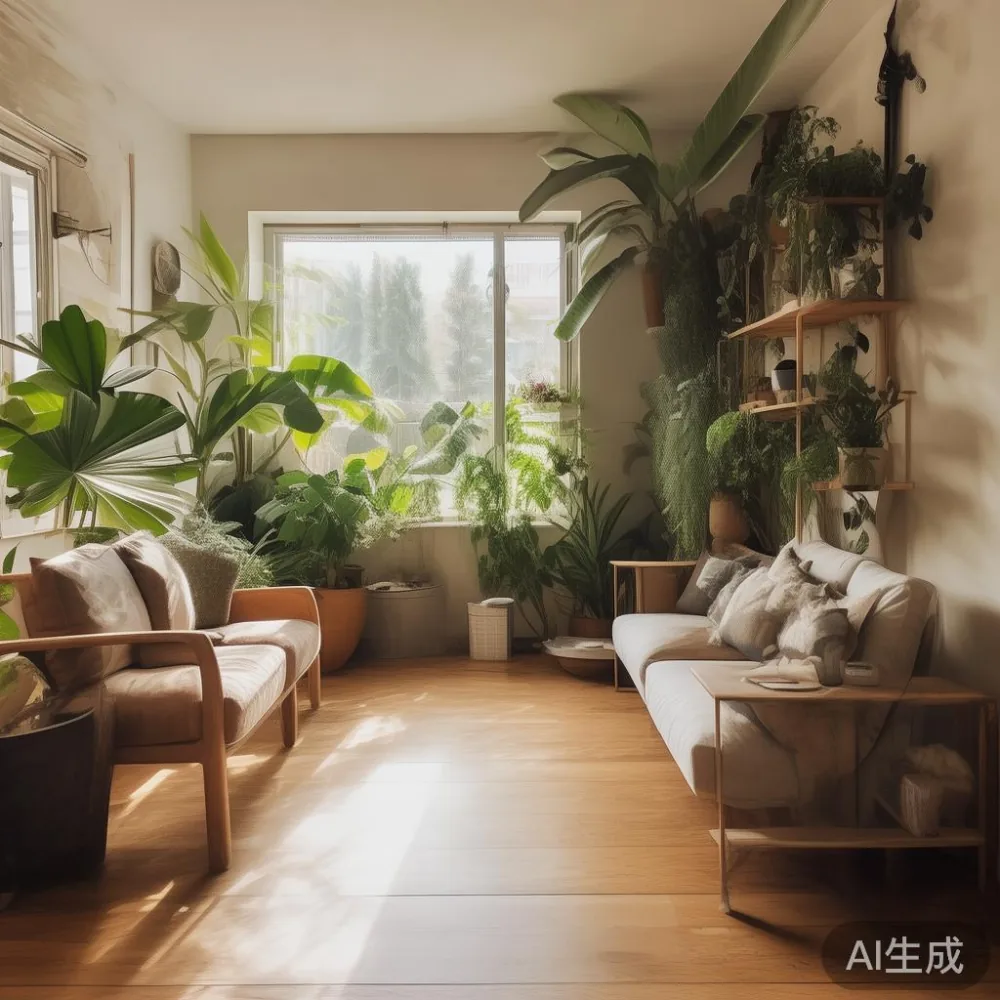
A warm minimalist interior is not about creating a stark, cold environment. Instead, it's a deliberate curation of space where every element has a purpose, and the atmosphere is one of calm and comfort. The foundation is built on a neutral colour palette, typically using whites, greys, and beiges as a base. This creates a serene canvas that allows other elements to stand out. The key to infusing warmth is through texture and natural materials. Think of the grain of a solid wood dining table, the soft weave of a linen sofa, or the cool touch of a marble table top. These elements add depth and sensory richness, preventing the space from feeling sterile. The Japandi style excels in this balance, favouring clean, unadorned forms that are softened by the inherent beauty of the materials used. It’s a design language that respects the space and the objects within it, creating an environment that is both visually calming and emotionally nurturing.
How to Choose Furniture that Defines a Space Without Overwhelming It?
Selecting the right furniture is critical to achieving a warm minimalist look. The scale of each piece must be proportional to the room. In a typical Singapore HDB bedroom, for example, a bulky, ornate French light luxury bed frame might overwhelm the space. A better choice would be a low-profile Japandi-style bed frame made from light-coloured solid wood, which visually expands the room. The material is paramount. Solid wood furniture, with its honest grain and durable nature, is a cornerstone of this aesthetic. A solid wood sofa with clean lines and simple upholstery in a warm grey or oatmeal colour can serve as the anchor for a living room. The goal is to select pieces that have a quiet presence—beautiful in their simplicity. Avoid furniture with excessive detailing or overly dark finishes, as they can make a small space feel heavy. The principle is to let the quality of the material and the purity of the design speak for themselves.
Creating a Harmonious Living Room with Japandi Style
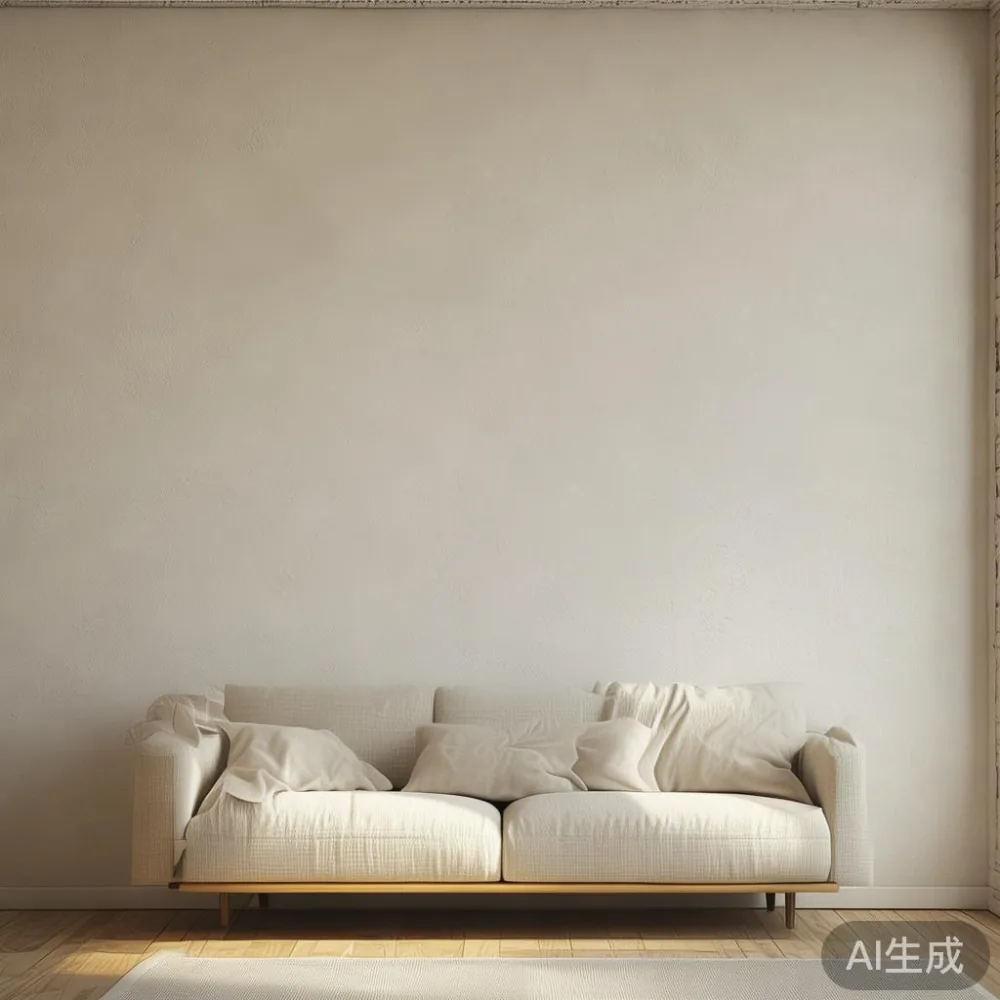
The living room is the heart of the home, and in a Japandi-styled space, it should feel both open and intimate. The central piece is the sofa. When considering an American sofa vs a Japandi sofa, the differences are stark. An American sofa often features deep cushions, plush fabrics, and a more substantial, commanding presence. A Japandi sofa, in contrast, typically has a lower back, firmer cushions for better support, and a frame crafted from solid wood, emphasizing clean lines and functionality. This sofa can be paired with a marble table for the coffee table, its cool, veined surface providing a beautiful contrast to the warmth of the wood and softness of any surrounding textiles. A minimalist wooden TV stand, perhaps in a natural oak finish, can house electronics without adding visual clutter. The colour scheme should remain grounded in neutrals, with colour introduced through a few carefully chosen accessories like a single vase or a piece of abstract art. This creates a space that is perfect for relaxation and socialising, embodying the calm and balanced spirit of Japandi style.
The Bedroom Sanctuary: Solid Wood and Serene Simplicity
The bedroom should be a sanctuary for rest and rejuvenation. A Japandi-style bedroom prioritizes tranquility and natural elements. The bed frame is the focal point. A low-profile solid wood bed frame in a light ash or walnut finish is ideal. The question of how to style a Japanese sofa in bedroom might seem unusual, but the principle applies to the entire room's seating. A small, low-profile bench at the foot of the bed, upholstered in a natural fabric like cotton or linen, can serve as a stylish and functional piece for placing clothes or sitting. For storage, a wardrobe with simple, handle-less doors in a matching wood finish maintains the clean aesthetic. A nightstand should be uncluttered, perhaps with a single drawer and a flat surface for a lamp and a book. The lighting should be soft and indirect, using warm-toned bulbs to create a cosy atmosphere. The effect is one of peace and order, a space designed to promote a restful night's sleep.
Dining in Style: Function and Form at the Dining Table
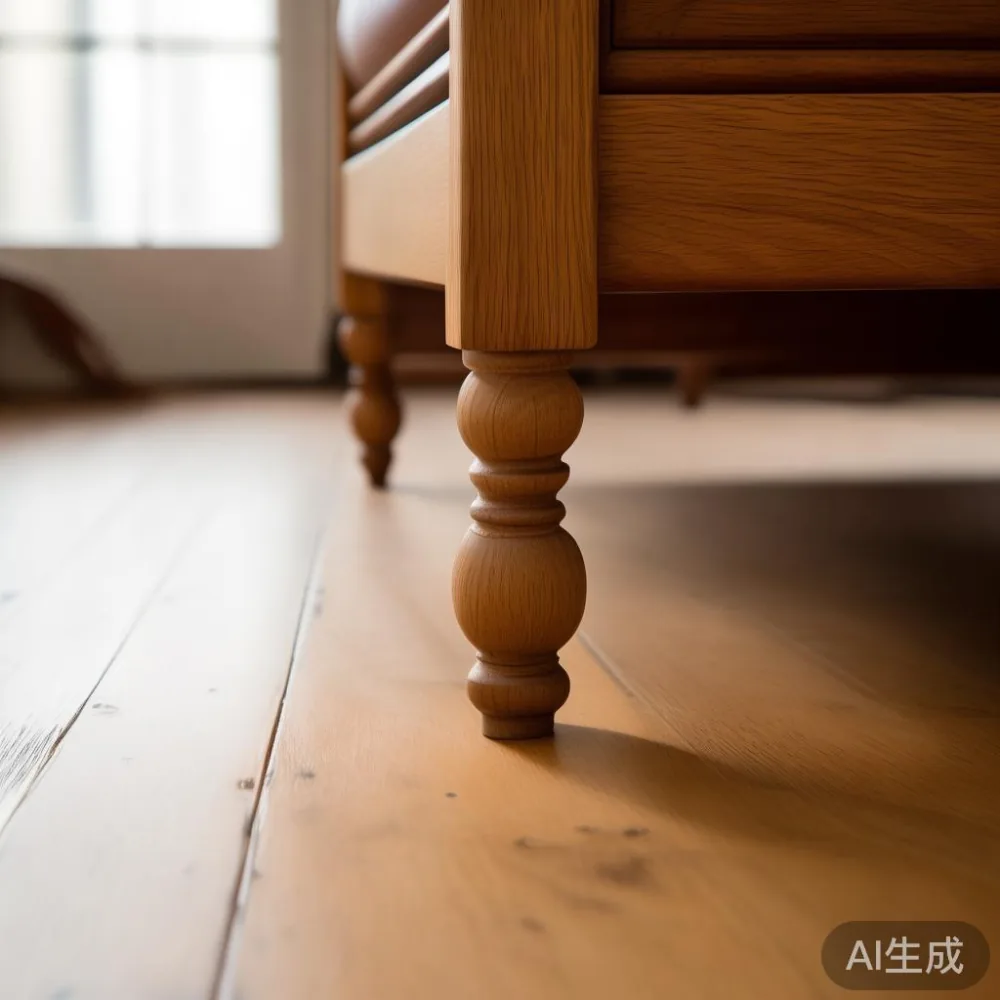
The dining area is where families come together, and furniture here must be both beautiful and practical. A solid wood dining table is the perfect centerpiece for a warm minimalist interior. A rectangular table seats more people efficiently, making it a practical choice for Singaporean homes. The wood grain should be a feature, celebrated rather than hidden. Paired with simple, streamlined chairs—either in the same wood or with upholstered seats in a neutral fabric—the setting is complete. Lighting is key; a pendant light with a simple, sculptural design positioned directly above the table can define the space and add a touch of elegance. The marble table can also be introduced here as a sideboard or a console, its reflective surface adding a touch of light and sophistication. This setup encourages connection and conversation, with the furniture itself receding into the background to highlight the people and moments around it.
Storage Solutions: The Modern Wardrobe and Beyond
In Singapore, where space is often at a premium, clever storage is non-negotiable. A wardrobe should not be an afterthought but an integrated part of the room's design. When considering how to choose an Italian light luxury wardrobe, the focus should be on clean lines and handle-less designs that blend smoothly with the walls. Sliding door wardrobes are an excellent choice for smaller bedrooms, as they save the space that swinging doors would require. The interior should be well-organised with modular components to keep clutter out of sight. Beyond the wardrobe, incorporate other storage solutions like a credenza in the living room or a storage ottoman that can also serve as seating. These pieces should be designed with the same minimalist principles, using solid wood and simple hardware. Effective storage allows the rest of the room to remain open and airy, a key tenet of both minimalist and Japandi design.
Lighting and Accessories: The Final Touches of Warmth
Lighting and accessories are the final elements that bring a warm minimalist interior to life. Lighting should be layered: ambient light for illumination, task light for specific activities like reading, and accent light to highlight features like a piece of art or a beautiful plant. Floor lamps with slender profiles and table lamps with ceramic or wood bases are excellent choices. Accessories should be used sparingly. A single, well-chosen piece of art, a few indoor plants that purify the air, and a soft rug under the sofa can add texture and life to the space without creating clutter. The rug, in particular, helps to define the seating area and adds a layer of warmth underfoot. Remember the principle of less is more; each accessory should have a purpose and contribute to the sense of calm and harmony.
Making It Work in a Singapore Context: Budget and Practicality
Adopting a Japandi style or any refined interior design in Singapore requires a practical approach to budget and logistics. The Goods and Services Tax (GST) of 9% is a factor to consider when calculating the total cost of furniture. Investing in high-quality, durable pieces like a solid wood sofa or a well-constructed bed frame is a long-term decision that pays off. While it might seem like a significant initial investment, these pieces are designed to last for years, resisting wear and tear better than cheaper alternatives. For those on a tighter budget, it's possible to find quality items under 2000 European furniture that still embody the minimalist ethos. The key is to prioritise craftsmanship and natural materials over fast fashion trends. Delivery is another practical consideration; many reputable brands offer free shipping over a certain threshold, which can help manage costs. For example, a delivery order over SGD 350 often includes complimentary shipping, a significant saving when furnishing an entire home.
My Experience: Furnishing a New Condo in Punggol
Last month, I visited my colleague Sarah, who recently moved into a new condo in Punggol. She had tasked herself with furnishing her 120-square-meter apartment in a warm minimalist style. She was initially drawn to cheap Mid-century modern furniture she found online, but was worried it might look out of place or lack durability. I recommended she explore pieces that aligned more closely with the Japandi style. She ended up choosing a beautiful solid wood dining table with a marble inlay for her dining area, which she felt added a touch of light luxury without being overly ornate. For the living room, she opted for a low-profile sofa in a warm grey linen, which perfectly matched her neutral colour scheme. She was particularly pleased with her choice of a minimalist wardrobe for the master bedroom, its handle-less doors creating a smooth look. Her experience showed that with a clear vision and a focus on quality materials, it's entirely possible to create a sophisticated and warm home that is both beautiful and practical for Singaporean living.
Where to Find Your Perfect Japandi Pieces
Curating a Japandi-style home is a journey of discovery. It involves seeking out pieces that resonate with the principles of simplicity, natural beauty, and functional design. Many local and international brands offer furniture that fits this aesthetic, from solid wood bed frames to elegant marble tables. When researching options, it's helpful to look for companies that offer clear information on materials, dimensions, and warranties. A 10-year structural warranty, for instance, is a strong indicator of a manufacturer's confidence in their product's quality. For those who appreciate the finer details of design, exploring French light luxury or post-modern light luxury brands can provide unique inspiration, even if you adapt the pieces to a more minimalist context. The key is to source furniture that you love and that will stand the test of time. For specific inquiries or to discuss custom pieces, reaching out to specialists directly can be very helpful. You can contact a dedicated team at +86 188 2788 2512 for personalised advice on creating your own warm minimalist sanctuary.
Embracing the Japandi Lifestyle
Ultimately, creating a warm minimalist interior is about more than just arranging furniture. It's about embracing a lifestyle that values quality over quantity, tranquility over chaos, and nature over the artificial. The Japandi style provides a wonderful framework for this way of living. It encourages us to be mindful of our surroundings, to choose objects that bring us joy and serve a purpose, and to create a home that is a true reflection of our values. In the fast-paced environment of Singapore, having a home that is a calm, uncluttered retreat is more important than ever. By focusing on natural materials, clean lines, and a thoughtful colour palette, you can upgrade your living space into a haven of peace and style. It’s a journey that begins with a single piece of furniture and grows into a home filled with beauty, comfort, and a deep sense of belonging.