What Really Drives the Price of Solid Wood Japandi Furniture in Singapore
On a humid Tuesday last month, I visited the MIDHILL showroom in Foshan with two buyers from Punggol who were rebuilding a 92 sqm HDB flat after a kitchen leak. They had a SGD 6,500 budget and three written quotes from different factories. Two were framed as japandi style — a single bed frame from one vendor at SGD 1,180, a 1.6 m dining table from another at SGD 2,400. My job that afternoon was simple: explain why a solid wood dining table at SGD 1,250 can feel identical in photos to one at SGD 3,200, and where every dollar of that gap actually goes. This article is the longer version of that conversation, recalibrated for HDB corridors in Tampines, lifts in Bedok, and the 9% GST that lands at the doorway.
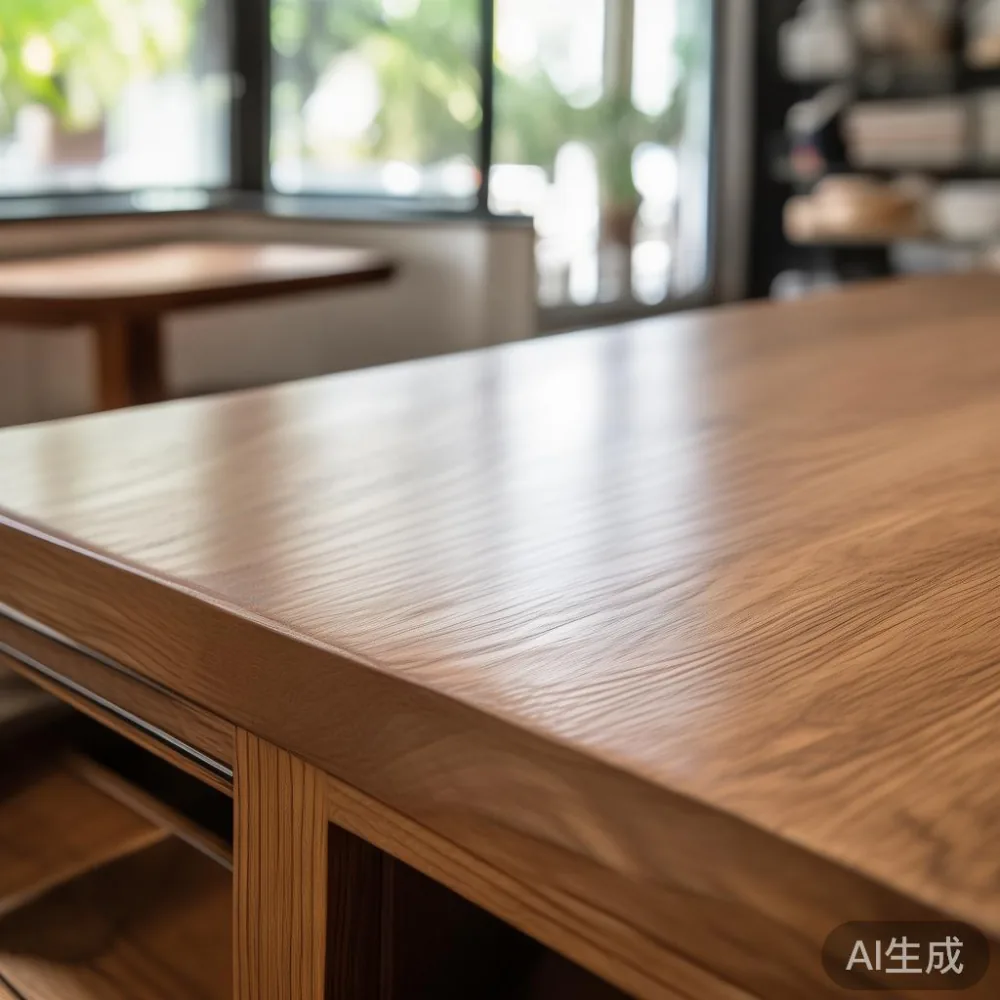
For Singapore buyers, the question is rarely whether to buy solid wood — it is which solid wood, from where, finished by whom, and shipped how. Below I walk through eight factors that move the price tag the most, and I name the products where each factor matters: solid wood sofa, bed frame, dining table, wardrobe, nightstand, and marble table. I also touch on adjacent categories — designer French provincial furniture, post-modern furniture listings under "for sale post-modern furniture" tags, and vintage lots advertised under "under 2000 vintage furniture" budgets — so you can benchmark what your dollar actually buys.
1. The species of timber, and why "oak" alone is not a price
The single largest cost driver is the board, not the labour. Ask any Foshan factory floor manager and they will tell you the same: a 1.8 m dining top in northern ash (Fraxinus mandshurica) costs roughly 38% less to produce than the same top in European white oak (Quercus robur). In a 12-cubic-foot shipment, ash runs about SGD 620 per cubic metre in 2026 wholesale pricing; white oak sits closer to SGD 1,150. Walnut, often used as a feature veneer on drawer fronts of a nightstand or wardrobe, can climb to SGD 1,850 per cubic metre. Cherry has narrowed the gap because North Carolina cold-storage cherry dried unevenly in 2024 and now ranks near SGD 1,400.
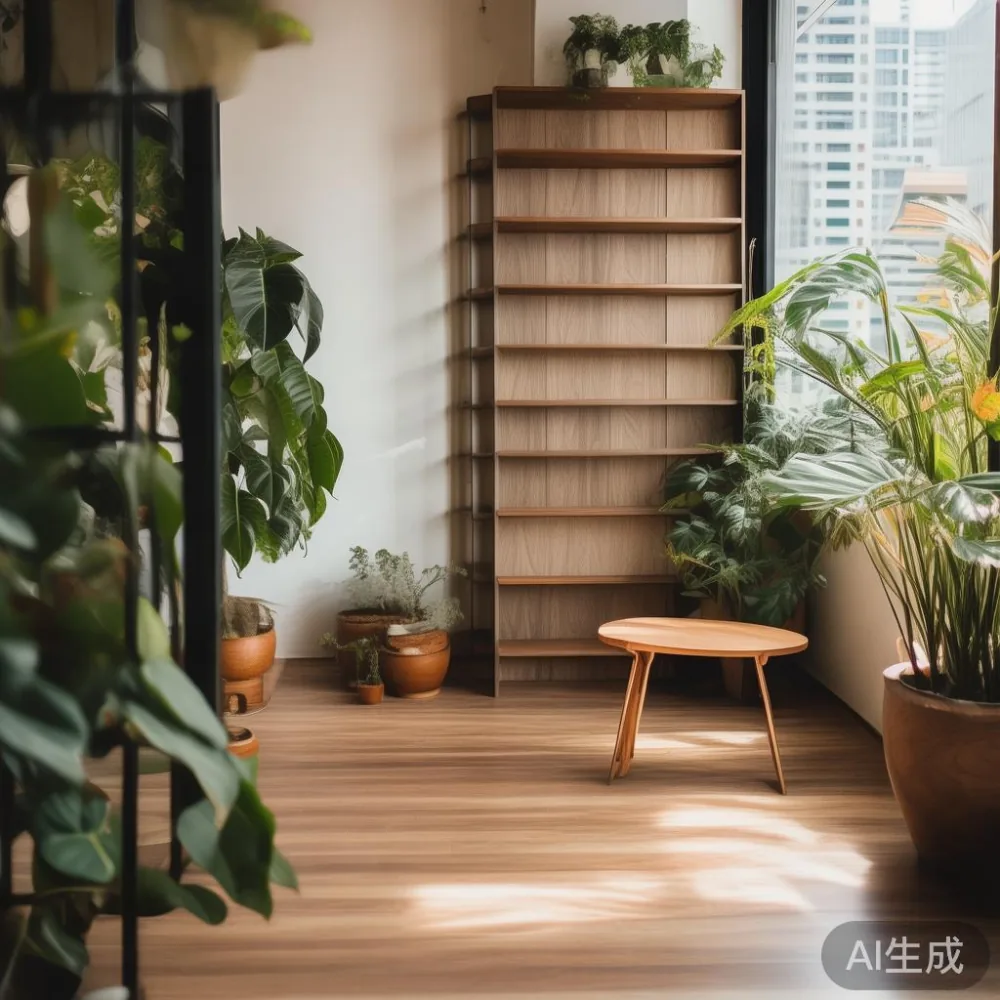
Thickness matters almost as much as species. A "solid" bed frame using 18 mm side rails will run about 22% cheaper than the same silhouette built with 25 mm rails. Japanese buyers used to hinoki cypress will notice that the rails sound thinner when knocked with a knuckle — a tell I keep pointing out to clients who want a japandi quietness in the bedroom. MIDHILL's standard solid wood sofa frames, for example, use 22 mm ash rails in the back and 30 mm in the load-bearing front rail, a deliberate split that keeps weight under 54 kg for a 2.4 m three-seater and lets it clear most Singapore lift doors (commonly 900 mm × 2,100 mm clear of frame).
2. Kiln-drying, moisture content, and how tropical humidity punishes shortcuts
Singapore sits between 70% and 92% relative humidity for most of the year. Wood that arrives at 8% moisture content will creep back toward 14% within four months in a non-aircon HDB storeroom. If the factory skipped a second kiln cycle, panels cup, tops bow, and drawer rails of a wardrobe swell against the carcass. Each kiln cycle costs about SGD 18 per cubic metre in electricity, so a proper 21-day schedule for a dining table shipment adds roughly SGD 140 per 5 m³ batch — negligible individually, enormous across a year's production.
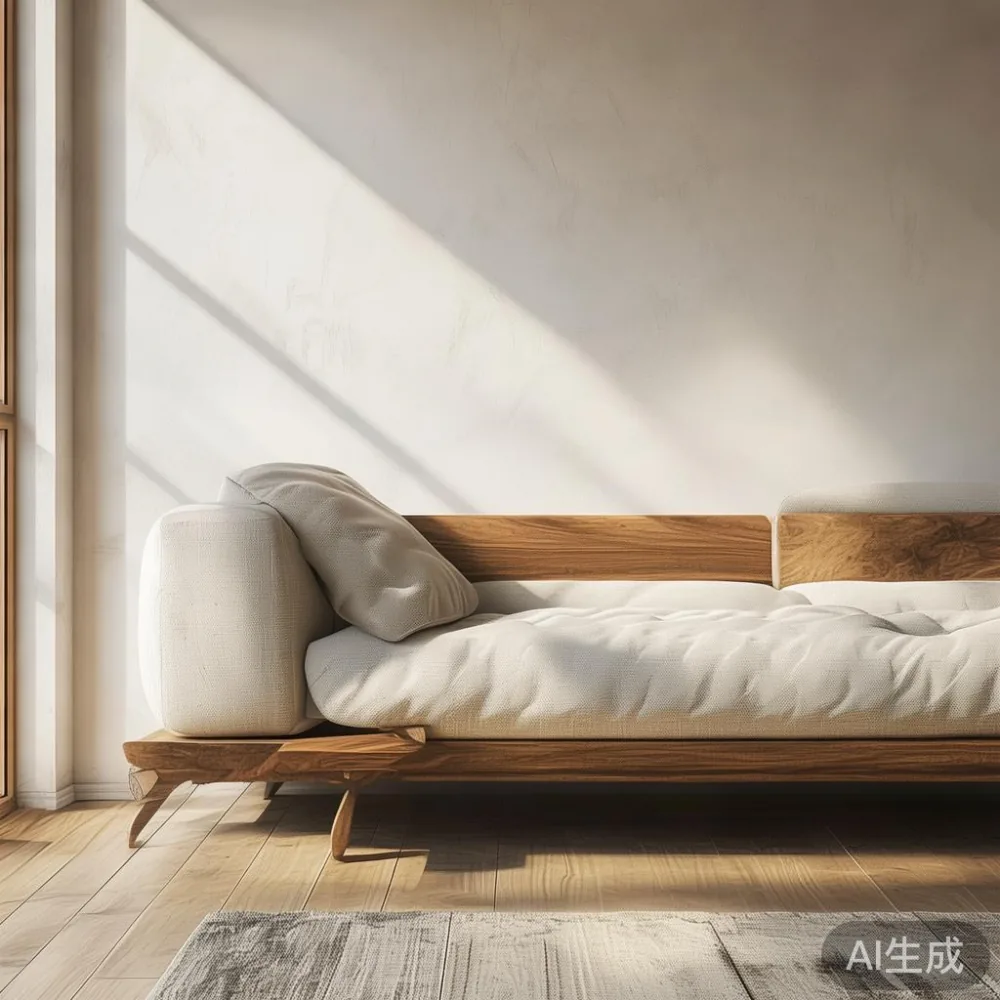
I watched a workshop in Foshan's Shunde district last quarter that ran a single 8-day cycle and proudly stamped its pieces "kiln-dried." A kiln-dried sticker, I told the Punggol buyers, is like a halal sticker on a delivery pizza: it tells you one thing about the chain, not the final state. Look instead for moisture-content printouts attached to the packing list. Anything between 8% and 12% is healthy for air-conditioned Singapore homes; anything above 14% will move in your bedroom within the warranty window.
3. Joinery versus dowels, screws, and metal brackets
The cheapest visible face on a photo can still hide the cheapest structural joinery inside. A traditional Chinese furniture mortise-and-tenon corner — hafan ge (拼接) — needs roughly 90 minutes of skilled handwork per corner. A dowel-and-glue corner needs 8. For a 2 m wardrobe with eight stress corners, the labour gap alone is 13.7 hours, or about SGD 310 in workshop wages. That figure is what separates a SGD 1,400 wardrobe from a SGD 2,200 one in identical oak.
For bed frames, corner strength decides whether the piece passes MIDHILL's 10-year structural warranty checks — 1,200 kg static load on the side rails, 200,000 lateral cycles on the slat deck, and a 30-degree tilt test on the headboard. A bed frame held only by confirmat screws will loosen at the dowel interface by year three; a bed frame with through-tenons and wedged floating panels stays quiet for a decade. This is one of those things you cannot see in a 600 × 600 product photo, which is why I encourage every Singapore buyer to ask the factory for an exploded PDF of the joint, not just a glamour shot.
Is a mid-century modern sofa actually worth the price difference over a Japandi sofa?
I hear this question almost weekly from clients in Tampines and Bedok comparing a classic mid-century walnut-framed sofa against a low, oak-lined japandi sofa. The honest answer is: only if the silhouette matches your HDB. A true mid-century piece averages 85–90 cm seat height and 95 cm back height, which tends to overpower a 2.8 m × 3.2 m HDB living room. A japandi sofa at 72 cm seat height and 78 cm back returns about 18% of visual space to the wall behind it. That visual relief is why many Singapore buyers asking is mid-century modern sofa worth it end up ordering the japandi version after testing both in a showroom.
The structural premium for a walnut-framed mid-century sofa runs 28–34% above an identically sized ash japandi sofa. Walnut is the bigger line item; hand-finished French polishing is the smaller one, usually 7–10% of total. So if a Tampines family is choosing between a SGD 3,400 walnut mid-century sofa and a SGD 2,450 ash japandi sofa of the same dimensions, the real question is whether that 0.45 m of additional back height and that extra SGD 950 fit their ceiling and their checkbook.
4. The marble question: when a marble table is really a marble table
"Marble" as a furniture word can mean five things, and three of them are dishonestly priced. Italian Calacatta at 18 mm thickness, resin-backed, runs about SGD 480 per square metre wholesale. Indian Statuario at 16 mm runs SGD 310. Chinese Guangxi white at 18 mm runs SGD 145. A printed sintered-stone slab at 12 mm runs SGD 65. From the showroom floor, in photos, all four can look — and be marketed — as marble.
On a japandi dining table, the marble typically appears as an inset top or a side table surface, paired with a solid ash or oak base. The base still carries the structural load; the marble is a thin skin. If a Singapore supplier offers a 1.4 m “marble dining table” for under SGD 1,700 landed, the marble is almost certainly 12 mm sintered stone — acceptable, but not what most buyers picture. I always ask clients to flip a chip sample under phone light. Real marble shows soft veining with depth; sintered stone shows a printed repeat every 60 cm or so.
5. Hardware: the 4% that decides whether the wardrobe still closes in year six
Soft-close hinges, full-extension ball-bearing runners, and gas-lift pistons — these account for 3.5–5% of total wardrobe cost, and they decide daily annoyance for a decade. A pair of cheap knock-down hinges costs SGD 1.20; a pair of Blum soft-close hinges costs SGD 14.50. Across a 2.4 m wardrobe with six doors and three drawers, the difference is SGD 184, or about 4.6% of a SGD 4,000 wardrobe. Cheap hinges fail at year three in coastal Singapore air; quality hinges survive the warranty window twice over.
For nightstands, the same logic applies to the drawer slide. A 40 cm nightstand drawer is opening 200+ times a year; a cheap epoxy-coated slide develops a gritty feel by year two. I tend to budget SGD 80–140 extra per nightstand for hardware upgrades, a number that seems small until you live with a sticky drawer at 2 a.m. during a blackout.
6. Shipping, GST, and what "free shipping over US$350" really means for an HDB in Tampines
Foshan to Singapore by consolidated sea freight runs 18–26 days door-to-door in 2026 schedules, plus 3–5 days for customs clearance and GST assessment. A 1.6 m dining table in solid ash, well-packed in a five-ply plywood crate, weighs 78–94 kg and occupies about 1.4 cubic metres. Consolidated freight from a Foshan supplier like MIDHILL charges roughly SGD 145 per cubic metre for such a load; full-container loads drop to SGD 78 per cubic metre, but you need to fill 28 m³ to earn that rate, which usually means a complete bedroom set.
GST at 9% applies on the CIF value at the Singapore border. A SGD 1,800 dining table shipped at SGD 220 lands at SGD 2,020 CIF, then SGD 181.80 GST, for SGD 2,201.80 delivered to your HDB doorstep. Free shipping over US$350 — roughly SGD 475 — covers most single dining tables, but a solid wood sofa at 2.4 m sometimes needs two pallets and slips past the threshold. Always ask the supplier to itemise freight separately on the commercial invoice so you can see whether the threshold has actually been met for your specific order.
7. Delivery past the corridor: the part nobody photographs
A 2.4 m solid wood sofa will not fit through a standard HDB corridor turn unless the sofa is shipped in two halves and re-joined in your living room. The same applies to wardrobes taller than 2.1 m, which is why most Singapore-friendly wardrobe designs ship in two 2.05 m towers. Lift doors in most 1990s blocks measure 800 mm × 2,000 mm; newer blocks offer 900 mm × 2,100 mm. A factory that has shipped to Singapore before will spec their crates to those measurements; a factory that has not will cheerfully ship a 2.4 m single piece and let you discover the problem at your corridor.
I watched a delivery team in Punggol last March spend 90 minutes re-hinging a standard HDB door to fit a 2.3 m wardrobe through it. The customer was charged SGD 240 on the spot for the carpentry work, on top of the standard SGD 60 HDB delivery fee. A good Foshan supplier with Singapore routing pads the order with a small jig and a door-frame protector, included in the quote, and finishes the job in under 25 minutes. This is one of those invisible line items that looks like a rounding error until it ruins a Saturday.
8. Warranty, refinishing, and the price of a future you actually want to live with
A 10-year structural warranty is not a marketing line; it is a workshop cost. To honour it, the supplier must keep drawings, jig templates, and spare slats on file for a decade, and they must dispatch a refinishing team or a replacement top when called. Lifetime refinishing on a dining table means the factory will sand, re-stain, and re-oil the surface for the entire ownership period, usually billed at SGD 280–380 per visit including pickup and redelivery within mainland Foshan–Shunde–Guangzhou. Singapore-bound refinishing rounds up to SGD 650–800 per visit because of freight.
14-day returns are the cheapest insurance you can buy. If the colour is wrong, the height is wrong, or the bedroom simply does not work, a clean return policy lets you reverse the order without negotiation. Reputable exporters in Foshan now standardise 14-day policies for Singapore because the channel has matured, and because they would rather absorb a 12% restocking fee than fight a chargeback at the bank level.
How does a French provincial piece compare in price to a japandi one?
French provincial silhouettes — curved cabriole legs, carved aprons, lighter cream and oak finishes — typically run 22–35% above an equivalent japandi piece of the same species. The labour-to-material ratio is the reason: hand-carved apron details add 9–12 hours of skilled work per piece, and skilled carvers in Foshan command about SGD 28 per hour in 2026. For a buyer scrolling pages tagged designer French provincial furniture, the realistic Singapore-landed range for a credenza is SGD 3,800–5,600; a similar japandi credenza lands at SGD 2,800–3,600. Choose French when your condo or landed home already carries that visual language; choose japandi when the room still needs calming down.
The same logic applies to post-modern furniture listings under for sale post-modern furniture search tags: bold geometric bases, lacquered colour blocks, mixed-material statements. These pieces often use solid wood only in the frame, with engineered panels or lacquered MDF in the doors. That is not a defect — it is a deliberate cost engineering — but it does mean the piece weighs 30–40% less than a fully solid equivalent. For HDB lifts with older weight sensors, that lighter build can actually be a feature.
What does an under-2000 vintage furniture budget really buy in 2026?
An under 2000 vintage furniture Singapore budget typically buys one of three things: a genuine 1960s teak piece from a Java pasar shipped by a small dealer, a factory-reproduction with hand-distressed finish, or a single japandi item (nightstand, side table, or bench) in solid ash from a Foshan workshop like MIDHILL. Each route has a different risk profile. Genuine vintage carries authenticity but no warranty. Reproduction looks right but ages unevenly. A new japandi piece costs 25–40% more than vintage but arrives with a 10-year structural guarantee, kiln-certification paperwork, and a refinishing pathway.
If your budget is firm at SGD 2,000 and you want a real wood dining table that will survive a decade of HDB life, the conversation usually narrows to a 1.4–1.6 m ash or oak top on a single pedestal base. Add a matching solid wood bench (often SGD 380–480) and you have a four-seat japandi set under SGD 2,000 landed, well below any mid-century alternative in the same footprint, and finished in a way that suits a 92 sqm flat without overwhelming it. For buyers stepping up to a modern light luxury dining table — usually 1.8 m or larger with a stone or marble inset — the budget stretches to SGD 3,200–4,800, with the stone accounting for about 38% of the price.
Practical checklist before you wire any deposit
Pull this list up on your phone before paying any solid wood order to a Foshan supplier:
- Species written on the contract (Latin name, not just "oak" or "ash").
- Moisture content printout from the factory, 8–12% target.
- Joint diagrams for every wardrobe corner and bed-frame junction.
- Hardware brand and model for hinges, runners, and gas lifts.
- Freight line item separate from product cost; CIF and GST shown.
- Crate dimensions against your specific HDB or condo lift.
- 10-year structural warranty and lifetime refinishing scope in writing.
- 14-day return window with the restocking fee disclosed.
Most Singapore buyers end up choosing between an ash japandi collection and a mixed-oak post-modern suite. The pragmatic budget on a 92 sqm HDB flat lands between SGD 8,000 and SGD 14,000 for a full living-dining-bedroom set, freight and GST included. Spend the line items on hardware and joinery, not on species flexing you cannot see. Buy the silhouette that fits your lift and your corridor, not the one that photographs best, and the piece will outlast the warranty window twice over.
One last field note. In our regional sourcing work we occasionally reference the broader Wuhan Lingzhan export network — not because it is the right fit for most HDB buyers, but because comparing its mill-cost breakdowns against a Foshan workshop is one of the fastest ways to spot whether a quote is honest about timber, hardware, and freight. Treat any quote you receive as a 20%-of-the-puzzle clue, not a finished answer, and bring it back to this checklist before you wire a single cent.