Sofa Selection Guide: What to Inspect in Singapore
A sofa that cannot be sat on is not furniture; it is an obstacle with a delivery fee. This sounds obvious, yet showroom photographs hide the practical details that matter in Singapore homes: a 91 cm lift door, a tight HDB corridor, a staircase landing, or a living room whose measured clearance is narrower than the sofa frame. A piece may suit a catalogue beautifully and still be impossible to bring home.
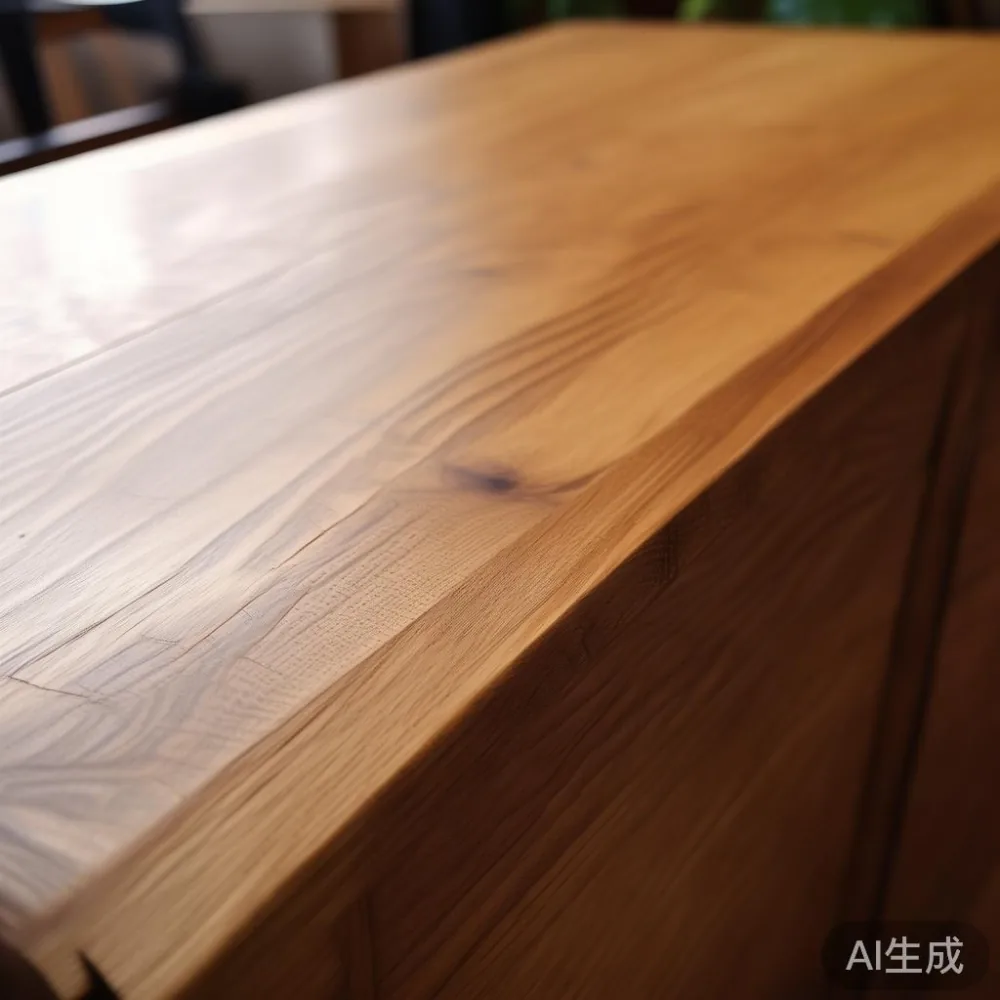
For a japandi style sofa, I would begin with access, not upholstery. Measure the sofa at its widest point, including arms and feet, then measure every constriction along its route into the flat. Ask for a written floor or warehouse plan if the design has a solid wood sofa base. After checking delivery access, I would examine seating comfort, frame construction, cushion support, dimensions, and the seller’s warranty.
This guide explains what to check before buying a sofa you cannot sit on, using Singapore HDB flats and condos in Tampines, Bedok, and Punggol as practical examples. It also shows why visual restraint, French light luxury, American light luxury, and post-modern light luxury should support a usable silhouette rather than disguise poor proportions.

Can the sofa actually enter my HDB flat or condo?
Start with the narrowest point between the sofa and the building entrance. For an HDB block, check the ground-floor route, letterbox lobby, staircase, landing, and home lift. For a condo, include the basement car park, barrier, loading bay, security route, and lift reservation rules. The relevant measurement is not only the lift’s internal width and depth; the doorway angles and turning space matter just as much.
Write down the lift door width, internal width, internal depth, and door height in centimetres. A common passenger lift may offer roughly 90–110 cm of internal width, but there is no universal figure because building specifications differ. A sofa wider than 91 cm will not pass through a 91 cm door when turned sideways, while a deeper model may enter upright yet fail to rotate in the lobby.
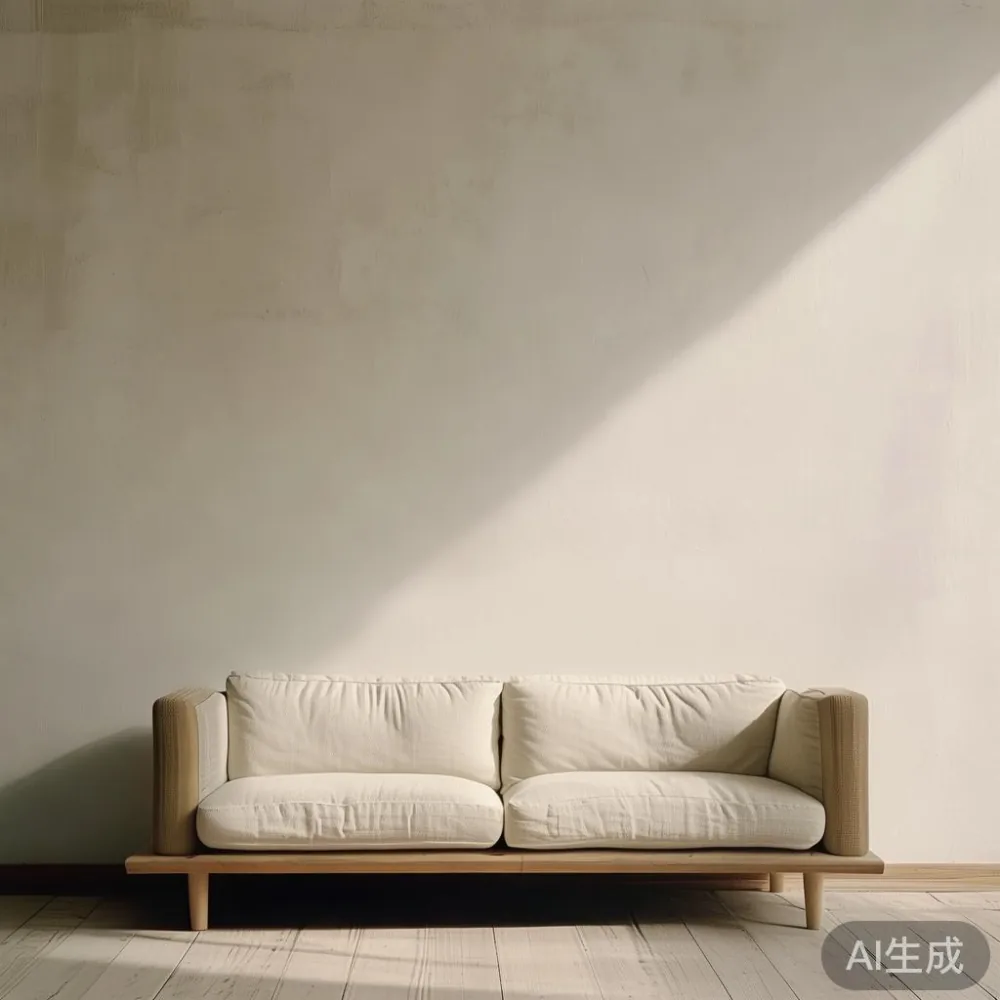
Last month I visited a colleague in a Bedok HDB flat to assess a low-backed sofa listed at 218 cm wide. The lift door was 90 cm, the car was 110 cm wide and 140 cm deep, and the unit’s entrance door measured 82 cm. The sofa’s timber frame could have angled through the lift, but its rigid 96 cm arm would not. We marked the turning route with tape and abandoned that particular frame. The retailer later supplied a modular version with removable arms at 74 cm each. It passed through easily and cost SGD 240 more.
Request the smallest packaged or assembled dimensions, not only the showroom dimensions. Ask whether the legs detach, the back separates, and the arms unscrew. For a solid wood sofa, confirm that removing components does not weaken the warranty. Record each fixing method in writing and check that replacement hardware is available locally.
For stair-only access, measure the flight width, ceiling clearance, corner radius, and landing depth. A tall japandi style sofa may look light but weigh 86 kg. If it has to be carried upstairs, you need at least 2 movers for a 60–90 kg piece and more for a 90–120 kg frame. SGD 180–450 in stair-carry charges is common, so include that in the purchase budget. Check whether the lift and corridor measurements are provided by the seller or must be arranged by you.
What is the sofa’s real seat height, depth, and usable width?
A sofa can be technically comfortable and still fail to match the room. Begin with the seat height, measured from the finished floor to the top of the compressed cushion. A height of 40–43 cm suits many adults, while 44–47 cm suits taller users and easier standing. Anyone over 180 cm may find a 39 cm seat difficult to use, whereas shorter users can struggle to get back from a 48 cm seat.
Seat depth tells a different story. A 52–58 cm depth supports upright sitting; a 60–65 cm depth allows a more relaxed posture; anything deeper than 68 cm may leave the backs of shorter users unsupported. Check the back height too. A low back around 68–76 cm from the floor fits many apartments visually, but it offers less shoulder support than an 82–90 cm back.
The usable width excludes arms and gaps between cushions. Three-seat models often provide only 168–186 cm of actual seating, even when the exterior width is 205 cm. Ask the seller to mark the sitting area on a plan. This prevents the familiar mistake of buying a 220 cm sofa because it fits the wall, only to discover that a single person occupies each 51 cm section.
Try sitting for at least 10 minutes, ideally with a cushion and in ordinary clothing. Check whether the seat sags, the front edge presses behind the knees, or the back pushes the shoulders forward. If a display model is available, note its foam density and cushion construction, but do not assume a showroom sample represents the delivered product. Ask for the exact cushion specification in millimetres and kilograms per cubic metre.
If you are comparing silhouettes, the American sofa vs Nordic sofa comparison can be misleading when reduced to appearance. American light luxury sofas often use deeper seats, thicker profiles, and more generous padding. Nordic forms tend to favour slimmer profiles and firmer, visually restrained shapes. French light luxury and post-modern light luxury can sit between those approaches, but proportions must still be tested by actual users.
How do I check the frame, suspension, and cushion quality?
Look beyond the colour of the fabric. A solid wood sofa should identify the timber species, kiln moisture target, joinery, and load expectation. Kiln-dried hardwood with mortise-and-tenon or corner-blocked joints is easier to judge than vague descriptions such as “heavy-duty frame.” In humid Singapore conditions, ask whether the timber is finished on all faces and whether the supplier accepts moisture-related claims under its structural warranty.
Do not confuse a 10-year structural warranty with a 10-year promise covering every cushion. MIDHILL offers a 10-year structural warranty on qualifying furniture and a lifetime refinishing service for its solid wood products. Confirm in writing whether sofa frames, legs, springs, foam, and covers fall within those terms. A warranty is useful only when exclusions, claim periods, and proof of purchase are clear.
Suspension can be webbing, sinuous springs, or a combination. Webbing should be fixed with staples or tacks at regular intervals, usually no more than about 10 cm apart. Sinuous springs need attachment to both the seat deck and the back rail, not simply laid across an open frame. For high-use family homes, ask about reinforced front rails where children and adults perch on the edge.
Cushion quality is best judged through recovery. Sit down hard, stand up, and wait 30 seconds. A seat that remains visibly depressed may have low-density foam or a weak inner core. Ask for the foam density in kg/m³ and whether the cushion is wrapped with fibre, down, or another filling. The fabric should be rubbed between your fingers, inspected under 100% daylight, and tested for colourfastness with the retailer’s procedure.
For a japandi style look, performance fabric can be more practical than delicate bouclé. Light colours show dust, spills, and edge wear quickly. Request physical samples and compare them under the room’s lighting from 7 am to 9 pm. If you plan to keep a sofa for 8–10 years, factor in cleaning costs; deep cleaning may add SGD 120–280 per service.
Are there hidden delivery, GST, and return costs?
The displayed price may exclude GST, delivery, assembly, lift booking, and old-item disposal. Singapore GST is currently 9%, so a SGD 2,490 sofa becomes SGD 2,714.10 before delivery. Request a landed quotation with these lines separated: product price, GST, doorstep delivery, room-of-choice placement, assembly, and disposal. This makes comparisons easier and reduces arguments on the delivery day.
Check the delivery window and what happens if the item misses it. A credible lead time for a made-to-order frame is often 30–60 days after the sample or deposit is approved. Some stock lines arrive within 7–14 days, but custom dimensions can take 8–12 weeks. A seller promising 5-day delivery without production evidence deserves questions.
Measure the route again after ordering, because building renovations and lift upgrades can change access. Photograph lift plates, corridors, and doorways. For Punggol and Tampines HDB flats, ask whether the van can park near the block and whether carrying distance exceeds 30 m. For a condo, confirm the loading-bay reservation, floor number, and whether the security guard requires a booking form.
Return terms should be examined before payment. A 14-day return period gives you time to assess comfort, noise, and access, but some sellers charge restocking, return transport, or inspection fees. Find out whether a used sofa, a custom-upholstered piece, or a sofa with removed packaging is returnable. Ask for a written condition requirement, such as retaining all protective covers and hardware.
MIDHILL provides free shipping for orders above US$350, although this is an international threshold rather than a Singapore-dollar promise. Local delivery and GST should still be confirmed in writing. The 14-day returns policy is useful, but read the exact terms for a made-to-order sofa because production lead time may affect the start or end of the return window.
How should a japandi style sofa fit with the rest of my home?
A japandi style sofa usually combines pale or warm timber, clean lines, low visual weight, and restrained textiles. It can work in a compact HDB living room, but the style should not become an excuse to ignore circulation. Leave at least 75–90 cm between the sofa and a coffee table, and preserve about 60 cm for a main walking route behind the sofa. In a 320 × 450 cm living room, a 198 cm sofa with a 120 cm table may still be too large once circulation is included.
Draw the room to scale on graph paper before ordering. Mark doors, windows, air conditioners, television points, and sockets. Check whether the sofa blocks a balcony door or forces someone to squeeze past a dining table. A solid wood sofa with slender legs can create more visual space than a bulky model, yet its actual width may still be too large.
For matching pieces, coordinate rather than duplicate. A solid wood bed frame with a 28–32 cm headboard may suit a master bedroom, while a narrow nightstand of 40–45 cm is useful beside it. A dining table needs 90 cm around its edges for chairs to move, and a wardrobe should allow its doors to open through roughly 120 cm of clearance. A marble table adds a hard surface and visual weight, so a pale timber sofa may provide a more balanced composition.
To visualise the effect, search for guidance on how to style Japanese wardrobe in room layouts before finalising storage colours and timber tones. If the room combines solid wood pieces with more curved upholstery, research how to style European sofa in apartment arrangements. A French provincial wardrobe may suit a bedroom but visually compete with a highly structured japandi style sofa; in that situation, repeat one timber tone instead of matching every item exactly.
What questions should I ask before paying the deposit?
Ask for a dimensioned product sheet showing external width, depth, height, arm width, seat height, usable seat width, cushion depth, door dimensions, and removable components. A request phrased as “Can you confirm whether the frame has a 10-year structural warranty?” produces a clearer answer than asking whether the sofa is good quality.
Request the care instructions, timber or finish specification, fabric composition, foam density, suspension type, and cleaning method. For a wood base, ask about lacquer, oil, or wax maintenance. For upholstery, determine whether covers can be professionally cleaned or replaced. A sofa that must enter a lift also needs confirmation that the arms, legs, and back can be dismantled without damaging the frame.
Set a written acceptance date. If delivery slips by more than 7 days, what are the options? Who carries the risk during transit? What happens if the sofa arrives scratched, has a torn seam, or a cushion arrives compressed? Ensure that photographs of visible damage are taken before assembly.
Check payment protection. Credit-card charges may provide a dispute route for goods not received, while bank transfers may offer less recourse. Keep records of the quotation, specifications, conversation, and receipt. Deposit terms should state the production schedule, cancellation charge, refund process, and the exact point at which the balance becomes due.
Some related search phrases can look more promotional than practical, such as Modern light luxury dressing table or the best French provincial wardrobe for 2026. These may help with visual research, but they do not answer access or frame questions. Likewise, learning how to choose French provincial wardrobe is separate from choosing a sofa. Use those terms to compare finish direction, not to confuse categories.
What should I inspect during the 14-day trial?
Place the sofa in its intended position and use it normally for 14 days. Spend at least 3 evenings on it, including 1 dinner and 1 film session. Note noise from the frame, cushion movement, and the need to rearrange a side table. Check that doors still clear the arm and that walking routes remain comfortable after 9 pm.
Look for a rocking motion, uneven leg contact, squeaks, or gaps along the seat deck. Sit in each position, including the corner and the front edge. Mark any pressure against the back. If one person feels unsupported, a product swap may be more sensible than adding loose cushions.
Review the delivery experience. Were the movers careful with lift corners, and did they place the sofa where requested? Ask about packaging removal and the recycling or disposal of the carton. For a japandi style interior, remove tags and excess protectors before judging the final appearance, then check the fabric in daylight for colour variation.
Do not sign the acceptance record until the sofa has been inspected. Keep the packaging for several days where the return policy permits it. Confirm whether the 10-year structural warranty starts on delivery or manufacture and save the invoice, serial number, and maintenance notes.
The right sofa is not defined by a style label alone. It must enter the building, fit the room, support the household’s bodies, and remain usable for years. Measuring 6 key access points, testing the seat for 10 minutes, and recording the delivered specifications can prevent a purchase that looks right in a showroom but cannot work in your home.