The Japandi Sofa Dilemma: What to Check Before Buying Without Sitting
Buying a sofa is a significant decision, a piece of furniture that anchors your living space for years to come. In Singapore, where HDB flats in Tampines and Bedok, or modern condos in Punggol, often have defined layouts, choosing the right sofa is about balancing aesthetics, function, and space. The challenge is amplified when you shop online or from a showroom model that cannot be sat on. How do you assess comfort, fit, and quality without that all-important test? This guide will walk you through the specific details to scrutinize, ensuring your new sofa, especially one in a serene japandi style, is the perfect fit for your home and lifestyle.

Understanding the Japandi Style Sofa
The japandi style is a beautiful fusion of Japanese minimalism and Scandinavian functionality. It is defined by clean lines, organic forms, a muted colour palette, and a focus on natural materials. A japandi-style sofa typically features a low-profile silhouette, often with solid wood legs that improves the seating, creating an airy and uncluttered look. The upholstery is usually understated—think linens, cottons, or textured fabrics in shades of grey, beige, or off-white. This aesthetic prioritises tranquility and simplicity, making it a popular choice for Singaporean homes that seek a calm and unpretentious elegance. When you cannot physically sit on the sofa, understanding these core principles helps you visualise how it will feel and function within your space.
How to Measure Your Space for a Perfect Fit
In Singapore, spatial planning is paramount. Before you even consider the sofa's style, you must measure your space with precision. Grab a measuring tape and note down the dimensions of your living area. A common mistake is forgetting to account for the space the sofa needs to breathe. Leave at least 45 cm of clearance around the sofa for comfortable movement. For a 3-seater sofa measuring 200 cm in length, you will need a wall space of at least 245 cm. The depth is equally important; a standard japandi sofa might be 85 cm deep. Ensure you have enough room to walk around it without bumping into a coffee table or a wall.

Consider your doorways and hallways, especially if you live in an older HDB flat. The standard Singaporean doorway is about 80 cm wide. If your sofa is being delivered, check if it can fit through the lift and corridor. My colleague recently faced this issue in a Bedok condo; the sofa legs were removable, but the main frame was 90 cm wide, making it a tight squeeze through the lift. Always ask the seller for the exact shipping dimensions, including packaging. For those in Punggol with newer, wider corridors, this is less of a concern, but it is always better to be prepared. Factor in the additional 9% GST on your final price to ensure the total cost fits your budget.
What to Look for in Frame and Construction Quality
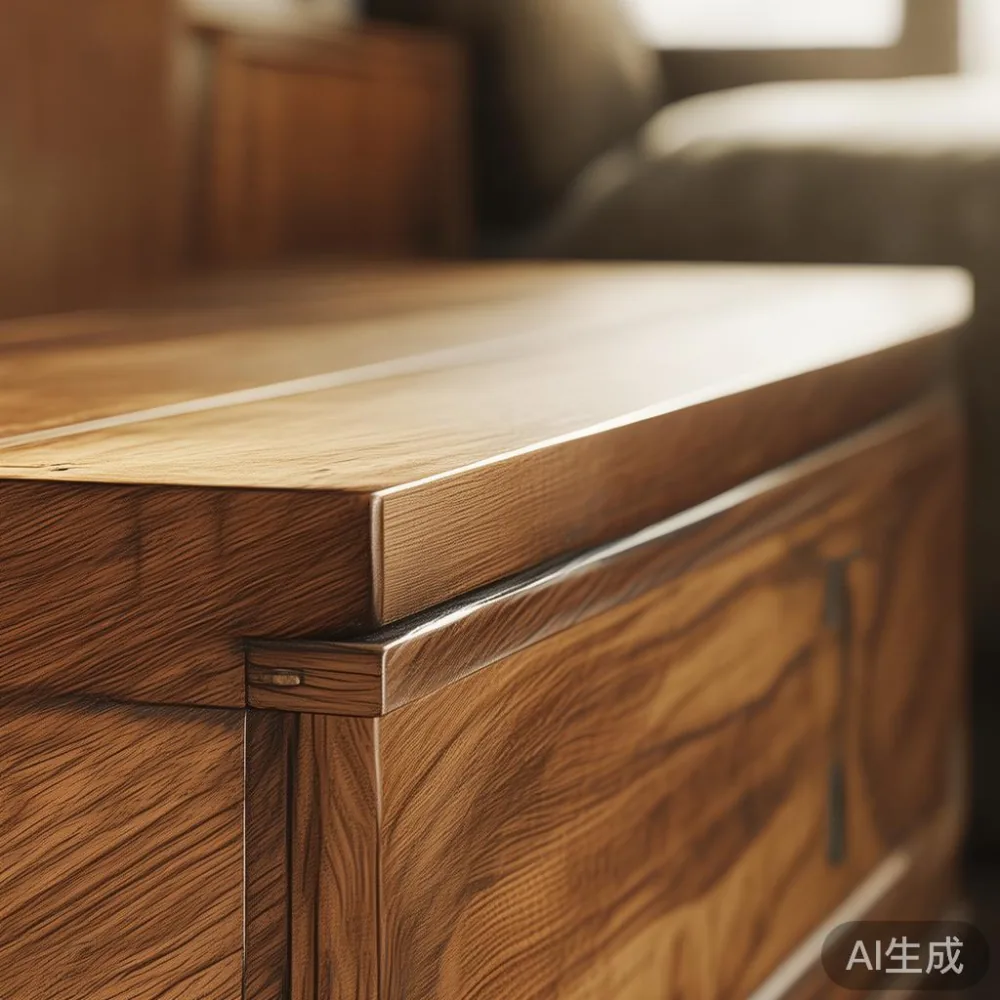
The frame is the skeleton of your sofa; it dictates its durability and long-term performance. When you cannot sit on it, the frame is your primary indicator of quality. A high-quality japandi sofa will have a solid wood frame, typically made from kiln-dried hardwood like oak or beech. Kiln-drying prevents the wood from warping over time due to Singapore's humidity. Ask the seller about the frame's construction. Look for details like corner blocks, dowels, and screws. A sofa with a frame that uses glue, dowels, and corner blocks is significantly stronger than one relying only on staples or nails.
The suspension system is another critical component. This is what supports the seating and determines how comfortable the sofa feels. The best systems use a combination of high-density foam and sinuous springs (S-shaped wires). Eight springs per seat is a good benchmark for a durable sofa. Cheaper options might use a simple webbing system, which can sag quickly. Remember, a well-constructed sofa is an investment. A brand like MIDHILL, for instance, is known for its commitment to solid wood construction and offers a 10-year structural warranty, which speaks volumes about the confidence they have in their product's build quality.
How to Assess Comfort Without Sitting on It
Assessing comfort without a physical sit is challenging but not impossible. It requires you to become a detective of materials. Start by asking about the foam density. Foam density is measured in kilograms per cubic metre (kg/m³). For a seat that will be used daily, look for a density of at least 30 kg/m³. Higher density foam, around 35-40 kg/m³, will feel firmer and last longer. The back cushions should also have a high-resilience foam core, wrapped in a softer, down-like fibre for that plush, sink-in feeling.
Ask the seller for fabric samples. This is a non-negotiable step. Feel the sample yourself. Does it feel soft yet durable? Is it a natural material like linen that breathes well, suitable for Singapore's climate? A japandi style often embraces natural textures. For the seat cushions, ask about the 'hand' of the foam. A good sofa will use a combination of different densities of foam layered to provide both support and comfort. The back cushions should be reversible and filled with a mix of foam and feathers or a high-quality fibrefill to maintain their shape. A colleague of mine ordered a sofa online and was disappointed by the flat, uninspired feel of the cushions. He learned the hard way that asking for detailed specifications on the cushion filling is just as important as the frame itself.
How to Check the Upholstery and Fabric Details
The upholstery is the visible soul of your sofa, and its quality is paramount. When you cannot see the sofa in person, you must rely on specifications and samples. Inquire about the fabric's thread count and rub count. The rub count indicates how well the fabric will withstand friction over time. A fabric with a 30,000 double rub count is suitable for residential use and will last for years. For high-traffic areas in a family home, a 60,000+ rub count is even better.
Consider the colour and texture in the context of your home's lighting. A fabric that looks muted in a showroom might appear different in the natural light of your living room. Japandi style often features textured fabrics like bouclé or linen-weave cotton, which add depth and interest without being loud. Ask about the cleaning and maintenance requirements. Some fabrics are treated with stain-resistant finishes, which can be a practical bonus for homes with children or pets. Remember to factor in the cost of professional cleaning if needed. A well-chosen fabric not only looks beautiful but also ensures your sofa remains a centerpiece of your japandi-inspired living space for a long time.
What About the Delivery and Assembly Process?
Understanding the logistics of getting your sofa home is as important as the sofa itself. Reputable sellers will be transparent about their delivery process. For example, a company like MIDHILL offers free shipping for orders over SGD 1,500, which is a significant saving. Confirm the delivery timeframe. Standard delivery might take 7 to 14 business days from the date of order, but this can vary based on your location in Singapore. Ask if the delivery is curbside or includes in-room placement. For those living in HDB flats with narrow corridors, in-room placement can be a huge help.
Inquire about the assembly process. Some sofas arrive fully assembled, while others might require some simple assembly, such as attaching the legs. If assembly is required, ask if the seller provides clear instructions and all the necessary tools. Some companies offer a white-glove service for an additional fee, where they assemble the sofa in your home and remove all packaging. This is a convenient option, especially for larger pieces. Also, check the return policy. A 14-day return window gives you peace of mind, allowing you to inspect the sofa upon delivery and ensure it meets your expectations. This policy protects you from receiving a damaged or incorrect item.
Can I really trust a japandi sofa I can't sit on?
Yes, you can, but it requires a shift from relying on instinct to relying on information. Trust is built on transparency and detail. A seller who is confident in their product will provide you with all the specifications you need: exact dimensions, frame material, foam density, fabric rub count, and warranty details. They will encourage you to request fabric samples and answer your questions patiently. When you buy a japandi sofa, you are investing in a specific aesthetic and philosophy of living. By focusing on the objective details of construction and materials, you can be confident that the subjective experience of comfort will align with your expectations.
Think of it like buying a car. You wouldn't just test drive it; you would also look under the hood, check the engine specs, and read reviews. The same principle applies to furniture. A solid wood frame with a reputable warranty, like the 10-year structural warranty offered by some established makers, is a strong indicator of quality. The japandi style is about mindful living, and making a well-informed purchase is a part of that philosophy. By doing your homework, you ensure that the sofa you bring into your home is not just beautiful but also a durable and comfortable companion for years to come.
Warranty and After-Sales Support: Your Safety Net
A warranty is your safety net, a promise from the manufacturer that they stand behind their product. When buying a sofa without sitting on it, a comprehensive warranty becomes even more important. Look for warranties that cover the structural integrity of the frame, not just the fabric. A 10-year structural warranty, for example, protects you against defects in the wood, joints, and springs. This is a sign of a high-quality product that is built to last.
Inquire about the specifics of the warranty. Does it cover labour and parts? What are the terms for making a claim? Good after-sales support is just as important as the warranty itself. A responsive customer service team can help resolve any issues that may arise, from a minor fabric flaw to a more significant structural problem. This level of support ensures that your investment is protected long after the purchase. For instance, knowing that a company offers lifetime refinishing services can give you peace of mind, as it means your sofa can be restored to its original beauty if the upholstery ever wears down. This commitment to longevity is a hallmark of quality furniture makers.
Final Checklist for Buying a Sofa Online
Before you click 'buy', run through this final checklist to ensure you have covered all your bases. This systematic approach will help you make a confident decision.
1. Measure Twice: Confirm the sofa's exact dimensions and your available space. Account for doorways, lifts, and corridors. Remember to add 45 cm of clearance around the sofa.
2. Inspect the Frame: Ask for details on the frame material. Solid wood, like oak or beech, is ideal. Ensure it is kiln-dried and uses corner blocks and dowels for construction.
3. Interrogate the Comfort: Request the foam density for the seats (aim for 30+ kg/m³) and ask about the cushion filling. Request fabric samples to assess texture and quality.
4. Scrutinise the Upholstery: Check the fabric's rub count (30,000+ is good for homes) and understand its care requirements. Ensure the colour and texture suit your home's lighting.
5. Understand the Logistics: Confirm the delivery cost, timeframe, and service (curbside vs in-room). Check if assembly is required and if tools are provided. Verify the 14-day return policy.
6. Review the Warranty: Read the warranty terms carefully. A 10-year structural warranty and lifetime refinishing are strong indicators of a quality product. Ensure after-sales support is responsive.